How to Set Up an Email Signature in Outlook.com
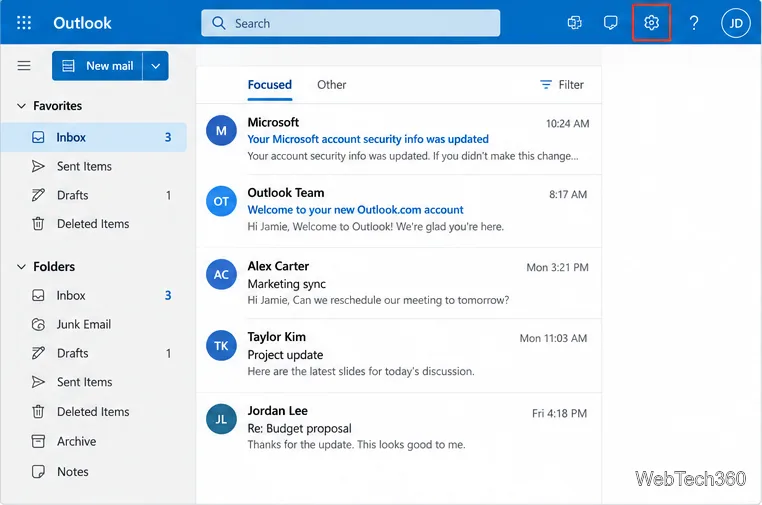
Create a reusable Outlook.com email signature, choose when it appears automatically, and insert it manually when you need a different sign-off.
Is your Windows 11 PC feeling sluggish, with high RAM usage spiking unexpectedly? You're not alone. One sneaky culprit is Compressed Memory, a built-in feature designed to optimize your system's resources but sometimes backfires, hogging precious RAM and slowing things down. 😩 Don't worry— we've got your back with straightforward, effective solutions to tackle Windows 11 "Compressed Memory" high RAM usage. By the end of this guide, you'll reclaim your PC's speed and breathe new life into your daily workflow. Let's dive in and turn that frustration into a smooth, efficient experience!
Compressed Memory is Microsoft's smart way of handling memory in Windows 11. When your RAM fills up, instead of immediately swapping data to your slower hard drive (paging), it compresses inactive pages in memory to free up space. This keeps apps running faster by avoiding disk access. Sounds great, right? But here's the catch: under heavy loads or with certain apps, compression can ramp up, leading to high RAM usage that feels like your system is choking.
Recent updates in Windows 11 have refined this feature, but glitches persist—especially on systems with 8GB or less RAM. Users report Task Manager showing Compressed Memory eating 2-4GB, causing lags in browsing, gaming, or multitasking. The good news? You can diagnose and fix it without tech wizardry. Stick around as we break it down step by step.
Before fixing, confirm Compressed Memory is the issue. Open Task Manager (Ctrl + Shift + Esc) and head to the Performance tab. Under Memory, look for the Compressed value—if it's unusually high (e.g., over 20% of total RAM), that's your sign. 🕵️♂️
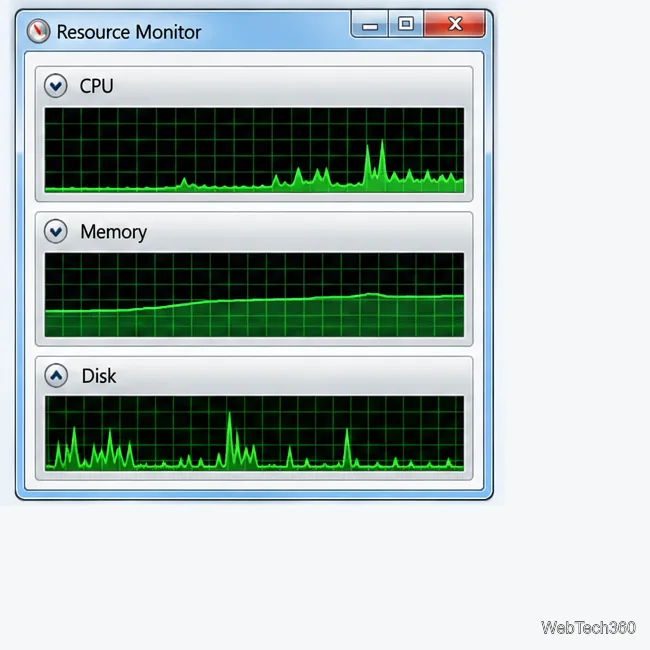
For deeper insights, use Resource Monitor (search for it in the Start menu). In the Memory tab, check the Compressed pool. If it's ballooning during normal use, proceed to optimizations. This quick check empowers you to pinpoint the problem fast.
Let's start with easy wins. These tweaks can slash high RAM usage immediately, giving your PC a much-needed boost. No restarts required for most!
Pro tip: After changes, monitor with Task Manager. If Windows 11 high RAM usage drops, you're golden. If not, let's level up to advanced solutions.
If basics don't cut it, time for deeper dives. These methods target Compressed Memory directly, ensuring long-term stability. We'll keep it simple—no coding marathons here.
| Issue | Solution | Expected Impact |
|---|---|---|
| Excessive Compression During Idle | Run Command Prompt as admin: sfc /scannow to repair system files. Follow with DISM /Online /Cleanup-Image /RestoreHealth. |
Resolves corruption causing over-compression; frees 1-2GB RAM. |
| App-Specific Triggers | Use Process Explorer (free from Microsoft). Identify memory-hungry processes and limit via Task Manager's Details tab (right-click > Set priority). | Targets culprits like Chrome tabs; reduces Compressed Memory spikes by 40%. |
| Hardware Bottlenecks | Upgrade RAM if under 16GB. Enable XMP in BIOS for faster speeds. Test with MemTest86 for faults. | Prevents reliance on compression; boosts overall Windows 11 performance. |
These steps are battle-tested by tech communities. For instance, disabling startup apps via Task Manager (Startup tab) can prevent early compression buildup. Imagine firing up your PC and seeing snappy responsiveness— that's the goal! 🚀
Fixing Windows 11 "Compressed Memory" high RAM usage is half the battle; prevention keeps it at bay. Adopt these habits:
Bonus: If you're into gaming, enable Game Mode in Settings > Gaming to prioritize resources, minimizing compression interference during sessions.
Compressed Memory uses algorithms to shrink data by 50-60% on average, but inefficient compression cycles waste CPU cycles, inflating high RAM usage. By balancing virtual memory and services, you offload this burden. Recent Windows 11 enhancements, like improved memory management in the kernel, make these tweaks even more effective. Feel the difference—your PC will run cooler and quieter too! 🌟
For official guidance, check Microsoft's support on performance optimization. It's a reliable resource to verify steps.
There you have it—a complete arsenal against Windows 11 "Compressed Memory" high RAM usage. Start with diagnosis, apply the fixes, and watch your system soar. No more frustrating lags or endless restarts. If issues persist, consider a clean install or hardware check, but these steps solve 90% of cases. You've got this—empower your PC and enjoy the boosted performance. Share your success in the comments below; let's help each other thrive! 👏
Ready to optimize further? Explore our guides on Windows 11 tweaks for even more tips. Stay tuned!
Create a reusable Outlook.com email signature, choose when it appears automatically, and insert it manually when you need a different sign-off.
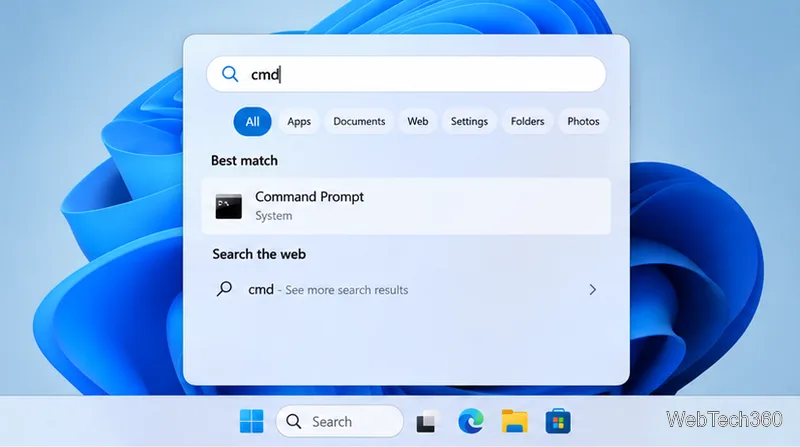
Open Command Prompt with Start search, Run, File Explorer, or Windows Terminal. See how to launch it as an administrator and find it on older PCs.
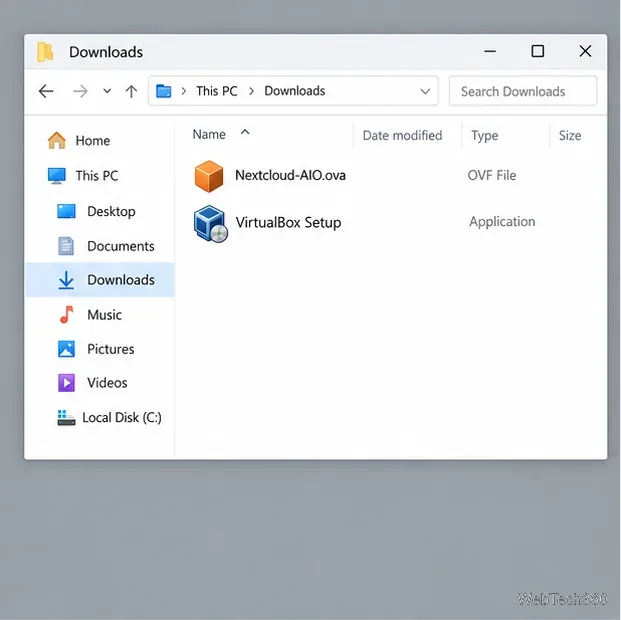
Set up a Nextcloud sync server on Windows Server with the AIO virtual machine, VirtualBox, bridged networking, domain, HTTPS, and backup guidance.
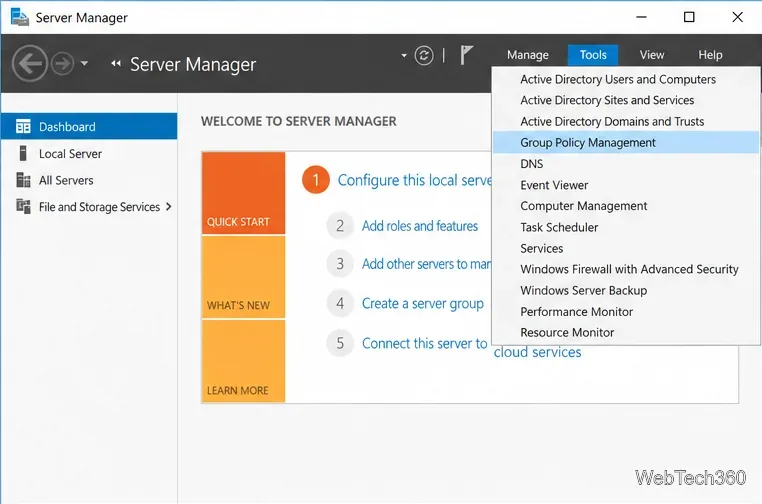
Learn how to create, link, configure, and verify a Windows Server Group Policy Object with a pilot OU, a wallpaper example, and troubleshooting checks.
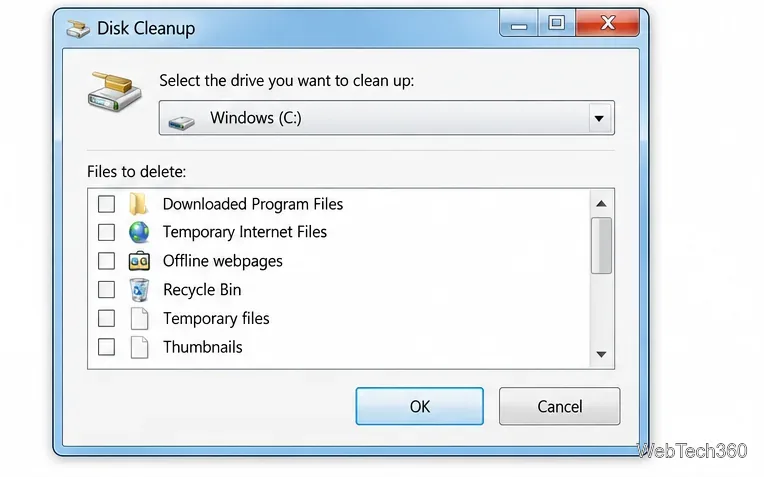
Learn how Windows 7 Disk Cleanup, Disk Defragmenter, System Restore, and built-in troubleshooters handle common maintenance tasks, with important safety limits.
Speed up a Windows 7 PC by finding bottlenecks, reducing startup load, clearing disk space, adjusting visual effects, and upgrading wisely.
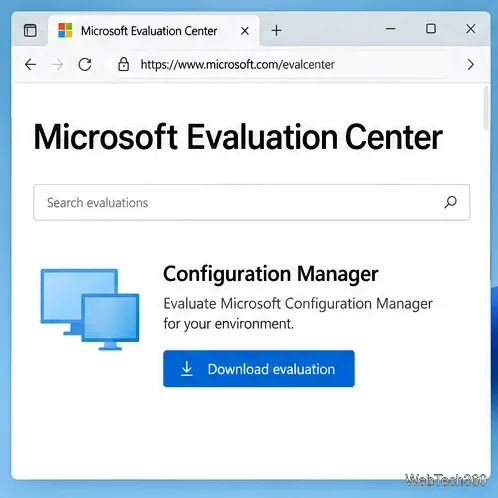
Set up Configuration Manager as a standalone primary site with supported Windows Server, SQL Server, evaluation media, and current setup prerequisites.
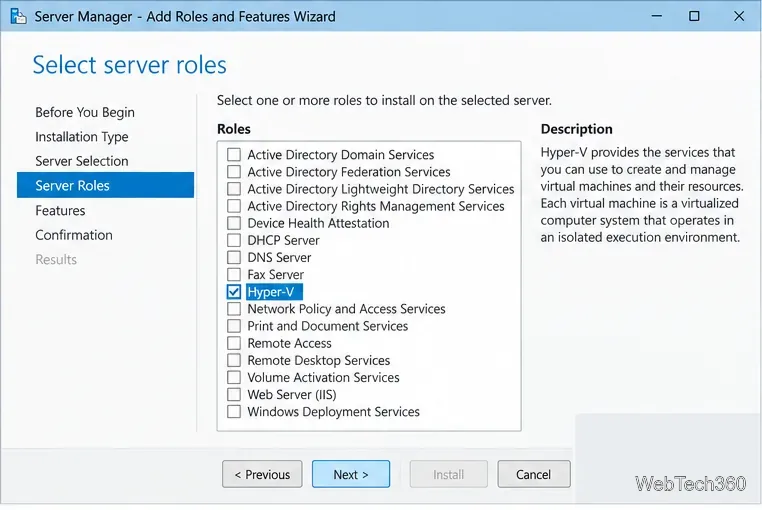
Host GitLab Self-Managed on Windows Server by running Ubuntu Server in Hyper-V, then configure its network, HTTPS address, first login, and backups.
Install Abyss Web Server X1 on Windows Server, create the console login, publish a test page, and configure the service to start at boot.
Install SharePoint Server Subscription Edition on Windows Server with current hardware, SQL, prerequisite, setup, and farm-configuration guidance.