
How to Check for Open Ports on Windows Server
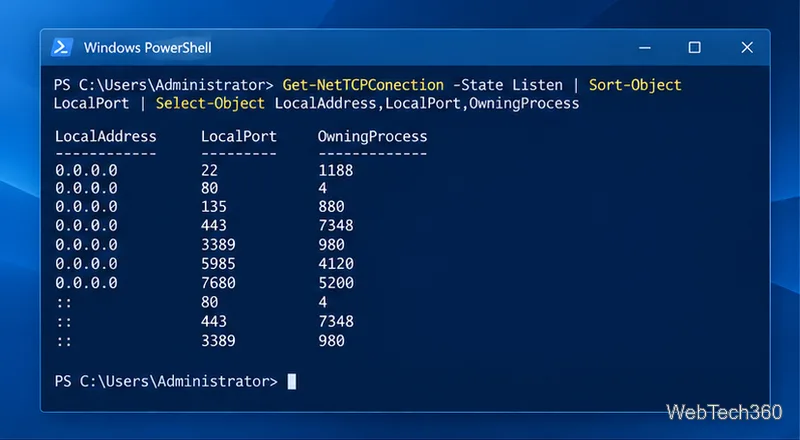
Find local TCP listeners, identify the process using a port, and test whether a Windows Server port is reachable with PowerShell, PortQry, or Nmap.
Encountering a Windows 11 Paging File configuration error can be frustrating, especially when it slows down your PC or triggers unexpected crashes. Don't worry—this common issue with virtual memory settings is fixable with the right steps. In this guide, we'll walk you through understanding what the Paging File is, why errors occur, and how to troubleshoot them effectively. By the end, you'll have your system running smoothly again, feeling empowered to tackle tech hiccups like a pro. Let's dive in! 😊
The Paging File, also known as pagefile.sys, acts as virtual memory on your Windows 11 system. When your physical RAM fills up, Windows uses this file on your hard drive to temporarily store data, preventing slowdowns and crashes. It's essential for multitasking, running resource-heavy apps, and maintaining overall stability.
However, misconfigurations—like incorrect sizing, corruption, or conflicts with system settings—can lead to errors such as "Your system is low on virtual memory" or boot failures. These issues are more prevalent in the latest Windows 11 updates, where enhanced features demand optimized memory management. Fixing them not only resolves the error but can significantly boost your PC's speed. Ready to get started? Here's how to spot and solve Paging File configuration errors.
Before troubleshooting, recognize the signs. If you're seeing these, a Paging File error might be the culprit:
These symptoms often stem from automatic management failing under heavy loads or after hardware changes. The good news? Most fixes are straightforward and don't require advanced skills. We'll cover them step by step to keep things simple and stress-free.
Let's tackle this systematically. Start with the basics and escalate if needed. Always back up important data before making changes—better safe than sorry! 👍
A simple restart can clear temporary glitches. If that doesn't help, open Command Prompt as Administrator (search for "cmd" in the Start menu, right-click, and select "Run as administrator").
Type these commands one by one, pressing Enter after each:
sfc /scannow – Scans and repairs corrupted system files, including those related to the Paging File.DISM /Online /Cleanup-Image /RestoreHealth – Repairs the Windows image if SFC finds issues.Restart your PC afterward. This resolves many Paging File configuration errors caused by file corruption, as recommended in Microsoft's latest support docs.
Windows 11 often manages the Paging File automatically, but manual tweaks can fix imbalances. Here's how:
This ensures the Paging File is sized appropriately for your setup, preventing overflow errors. For SSD users, keep it on the C: drive for best performance—Windows 11's optimizations handle wear leveling efficiently.
A full or corrupted drive can disrupt the Paging File. Run CHKDSK to scan for issues:
In Command Prompt (Admin), type chkdsk C: /f /r and schedule it for the next restart. Also, ensure at least 15-20% free space on your C: drive—use Disk Cleanup (search in Start menu) to remove temp files and old updates.
Pro tip: If you're on a low-storage device, consider adding a secondary drive for the Paging File via the settings above. This distributes load and reduces errors in demanding scenarios like video editing.
Outdated software is a sneaky cause of Windows 11 Paging File errors. Head to Settings > Windows Update and click "Check for updates." Install any available patches—the latest builds in 2026 include refined memory management for better stability.
Also, update drivers via Device Manager (right-click Start > Device Manager) or your hardware manufacturer's site. Focus on graphics and storage drivers, as they interact heavily with virtual memory.
If basics don't cut it, try these:
For SSD-specific tweaks, enable TRIM via Command Prompt: fsutil behavior set DisableDeleteNotify 0. This keeps your drive healthy, indirectly supporting virtual memory.
Once fixed, optimize to prevent future Paging File configuration errors. Use this simple table for recommended sizes based on RAM:
| RAM Size | Initial Size (MB) | Maximum Size (MB) |
|---|---|---|
| 4 GB | 6144 | 8192 |
| 8 GB | 12288 | 16384 |
| 16 GB | 24576 | 32768 |
| 32 GB+ | Let Windows Manage | Let Windows Manage |
Monitor usage with Task Manager (Ctrl + Shift + Esc > Performance tab). If virtual memory spikes often, consider upgrading RAM—it's the ultimate fix for heavy users.
For more details on virtual memory best practices, check Microsoft's official guide: Microsoft Virtual Memory Support.
Resolving Windows 11 Paging File errors doesn't have to be overwhelming. By following these targeted steps, you'll eliminate frustrations and enjoy a snappier system. If issues persist, it could point to hardware—consider professional diagnostics. You've got this! Share your success in the comments below, and stay tuned for more tips on keeping your PC optimized. 🚀
Find local TCP listeners, identify the process using a port, and test whether a Windows Server port is reachable with PowerShell, PortQry, or Nmap.
Map a shared folder as a drive letter in Windows 10, reconnect it at sign-in, confirm access, and fix common path, credential, and network discovery issues.
Hear your microphone through Windows 10 speakers with the Listen to this device setting. Choose the right input and output, test the route, and prevent feedback.
Change icon size on Windows 10 with desktop, taskbar, and File Explorer controls. Learn when display scaling helps and how to fix unexpected size changes.
Map an NFS share to a Windows 11 drive letter with the built-in Client for NFS. Check protocol compatibility, mount the export, and troubleshoot access issues.
Install Universal Media Server on Windows Server, share selected folders, set LAN-only firewall access, and test DLNA playback from a TV or browser.
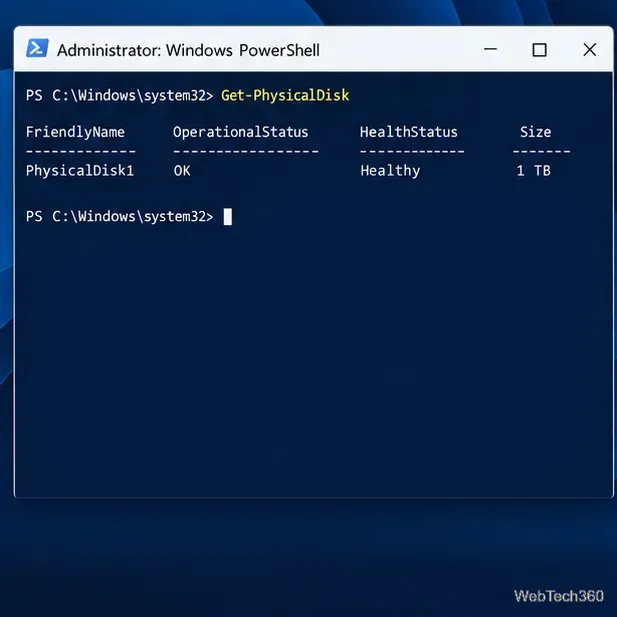
Check Windows Server disk status and reliability counters, verify SMART data when available, and separate hardware warnings from NTFS errors.
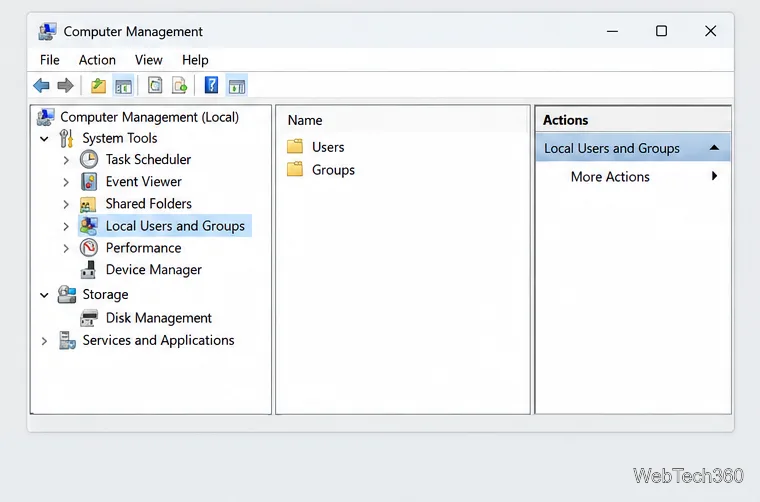
Create, grant admin rights to, disable, or remove local Windows Server users with Computer Management or PowerShell. Learn when to use Active Directory instead.
Install Serviio on Windows Server, share local or NAS media folders, and test DLNA playback. Learn how to check the Windows service, firewall, and Pro-only browser features.
Convert PNG, JPG, or BMP files to Windows ICO with GIMP. Prepare a square image, keep transparency when needed, add standard sizes, and check the export.