How to Fix Snipping Tool Issues on Windows 11
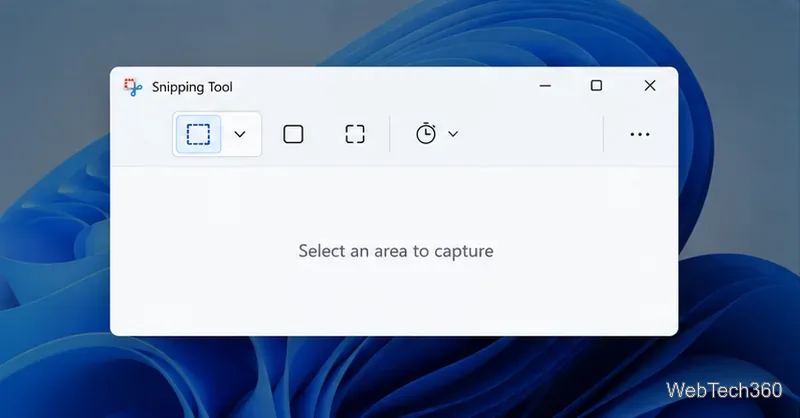
Fix common Snipping Tool problems in Windows 11 with steps to test the shortcut, update or repair the app, reinstall it, and restore missing capture notifications.
Imagine firing up your PC after a Windows 11 update, only to find your beloved desktop background faded, themes unresponsive, and personalization options stuck. Frustrating, right? You're not alone—many users encounter Windows 11 personalization errors following system updates. But don't worry; these glitches are often fixable with straightforward steps. In this guide, we'll walk you through targeted solutions to get your interface back to looking sharp and feeling personal. Let's dive in and reclaim your customized Windows experience! 🚀
Windows 11 personalization errors typically arise when updates disrupt core system files, registry entries, or services tied to themes, wallpapers, and colors. Recent updates have refined the OS's design language, but they can sometimes clash with existing customizations, leading to symptoms like:
These issues stem from corrupted caches, permission problems, or conflicts with third-party apps. The good news? Microsoft's latest patches emphasize stability, and with the right troubleshooting, you can resolve them without a full reinstall. Stay tuned as we explore fixes that work on the most current builds.
We'll start with simple, no-risk methods and escalate to more advanced ones. Follow along sequentially for the best results. Remember, back up important data before diving deep.
The quickest win? Restarting the Explorer process often refreshes personalization services. Here's how:
sfc /scannow. This scans and repairs system files.For cache issues, navigate to %localappdata%\Microsoft\Windows\Explorer in File Explorer and delete thumbcache_*.db files. Restart your PC—your personalization options should perk up! 😊
Outdated drivers can sabotage visual customizations. Head to Settings > Windows Update > Advanced options > Optional updates to grab the latest graphics drivers. For NVIDIA or AMD users, download directly from their sites for optimal compatibility with Windows 11's rendering engine.
Next, leverage built-in tools:
This step resolves up to 70% of post-update glitches, based on community reports from Microsoft's forums.
If basic restarts fall short, PowerShell can reset personalization components without affecting other data. Open PowerShell as admin and execute these commands one by one:
Get-AppxPackage Microsoft.Windows.PersonalizationStore | Remove-AppxPackage
Get-AppxPackage Microsoft.Windows.Themes | Remove-AppxPackage
Restart your PC, then reinstall via Microsoft Store: Search for "Personalization" and "Themes." This rebuilds the services from scratch, restoring functionality in the latest Windows 11 iterations.
Sometimes, the error ties to your user profile. Create a new local admin account (Settings > Accounts > Other users) and test personalization there. If it works, migrate your data to the new profile.
For registry tweaks (proceed with caution):
HKEY_CURRENT_USER\Software\Microsoft\Windows\CurrentVersion\Themes.⚠️ Always back up the registry first to avoid deeper issues.
For stubborn errors post-update, use Deployment Image Servicing and Management (DISM). In an admin Command Prompt:
DISM /Online /Cleanup-Image /RestoreHealth
sfc /scannow
This repairs the Windows image, ensuring personalization modules are intact. Pair it with a clean boot (msconfig > Services > Hide all Microsoft > Disable all) to rule out third-party interference.
To keep these errors at bay after fixes:
| Prevention Tip | How to Implement | Why It Helps |
|---|---|---|
| Enable Controlled Updates | Settings > Windows Update > Pause updates for 1 week post-major release | Allows time for patches to stabilize personalization features |
| Regular Driver Updates | Use Device Manager or manufacturer tools monthly | Ensures compatibility with evolving Windows 11 visuals |
| Avoid Unverified Themes | Stick to Microsoft Store for themes and wallpapers | Reduces conflicts from external customizations |
| Run Maintenance Scans | Schedule weekly CHKDSK and SFC scans | Keeps system files healthy against update-induced corruption |
Implementing these habits will make your Windows 11 setup more resilient. Pro tip: Join the Microsoft Community forums for real-time advice on emerging issues.
Dealing with Windows 11 personalization errors after an update can feel like a setback, but with these steps, you're equipped to bounce back stronger. Start with the basics, and if needed, escalate—most users see resolution within minutes. Your dream desktop awaits; why not apply a fresh theme right now? If these tips helped, share your success story in the comments below. Happy customizing! 🎉
For the latest official guidance, check Microsoft's support page: Windows Update Troubleshooting.
Fix common Snipping Tool problems in Windows 11 with steps to test the shortcut, update or repair the app, reinstall it, and restore missing capture notifications.
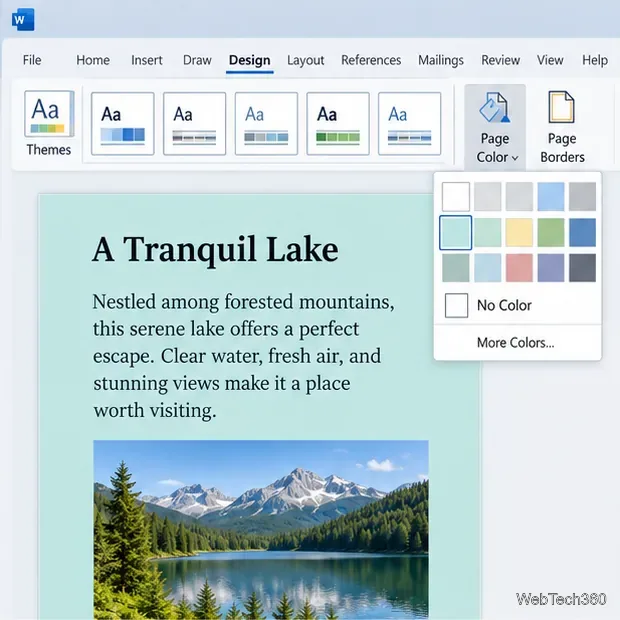
Choose a color-capable printer, enable Word’s background-print setting, and check the preview so page colors, images, and graphics print as expected.
Learn how to use WinX DVD Ripper to convert a DVD you’re entitled to copy into an MP4 file, choose the right title and destination, and troubleshoot playback problems on Windows 10 or 11.
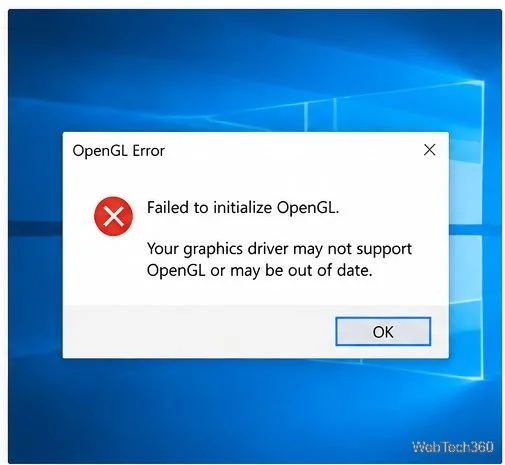
Troubleshoot OpenGL errors in Windows 10 by checking graphics drivers, repairing system files, reinstalling the affected app, and reviewing graphics settings.
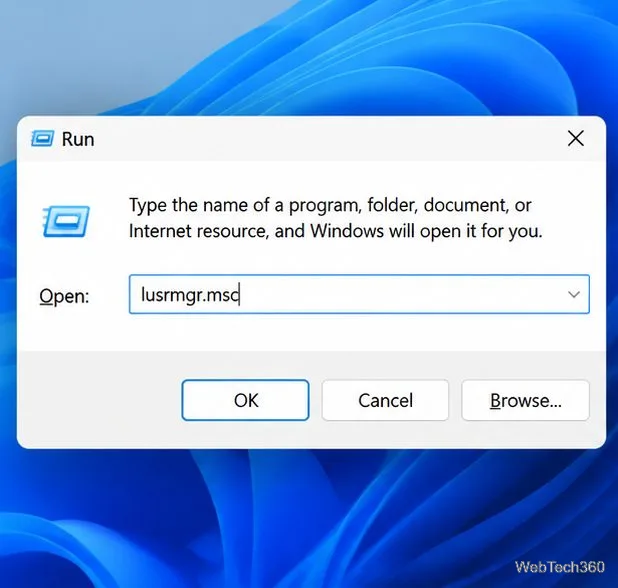
Learn when to use net user, lusrmgr.msc, and net localgroup to view, create, disable, and manage local Windows accounts safely.
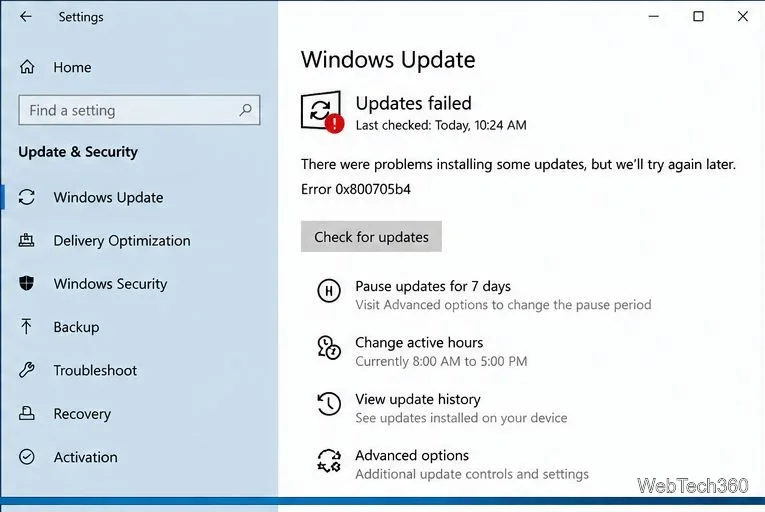
Resolve Windows Update error 0x800705b4 with practical checks for connectivity, update services, cached files, and damaged Windows system components.
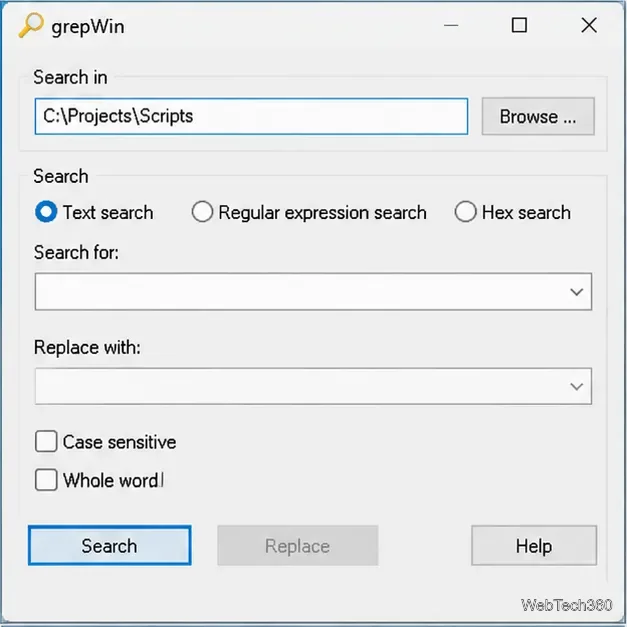
Find words or phrases across multiple text files on Windows 10 with grepWin. Learn how to choose folders, filter file types, include subfolders, and read matches safely.
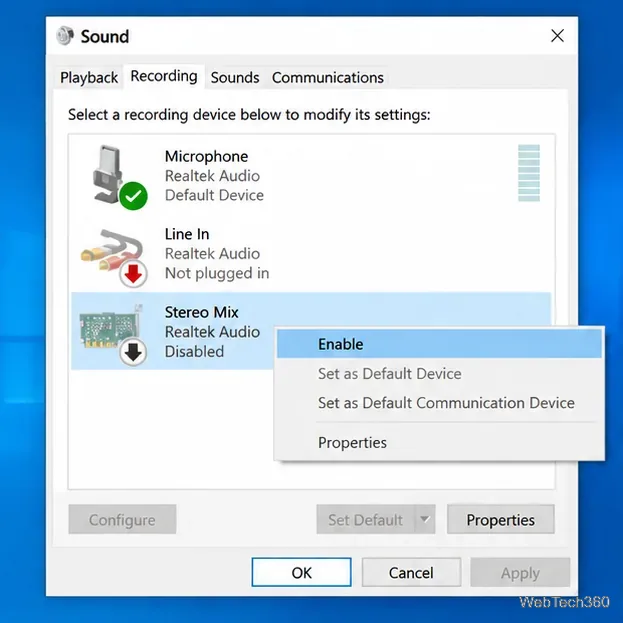
Capture your PC’s playback with FFmpeg on Windows 10. Enable Stereo Mix or use a loopback device, find its DirectShow name, and save clean audio.
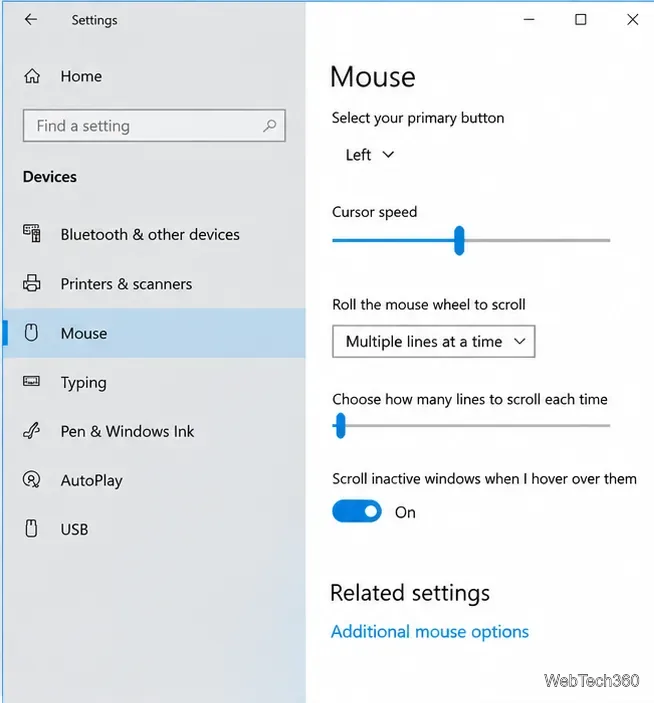
Learn how to adjust Windows 10 mouse pointer speed, change pointer precision, and set hardware DPI with a supported gaming mouse or manufacturer app.
Learn what the legacy Edge blocker registry setting does, how to set it safely, and why it will not stop updates for Microsoft Edge already installed.