How to Set Up an Email Signature in Outlook.com
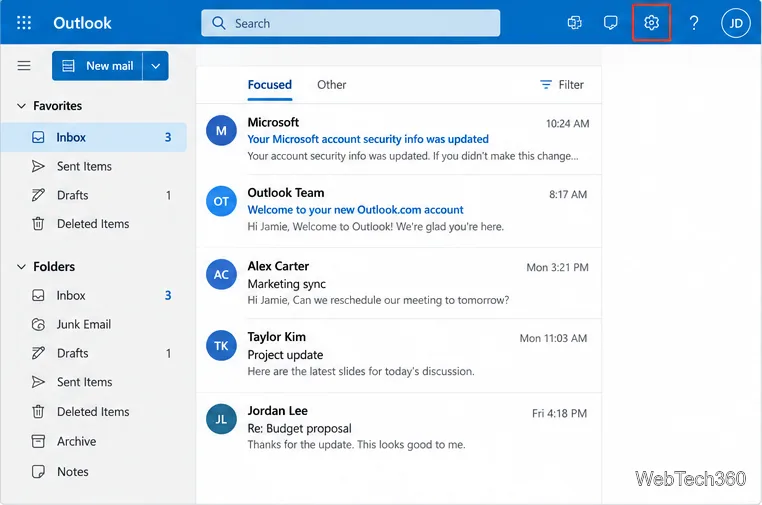
Create a reusable Outlook.com email signature, choose when it appears automatically, and insert it manually when you need a different sign-off.
Imagine this: You're ready to binge-watch your favorite show or finish that urgent work email, but your Windows 11 PC stubbornly refuses to connect to your hidden Wi-Fi network, flashing the frustrating "SSID Not Found" error. 😩 Don't worry—hidden networks add security by not broadcasting their name, but they can trip up your system. This guide is your friendly roadmap to resolving the "Windows 11 SSID not found" issue quickly and painlessly. We'll walk through proven steps, from basic checks to advanced tweaks, so you can get back online without the hassle.
Whether it's a router glitch, outdated drivers, or a simple misconfiguration, these solutions are based on the latest Windows 11 features and best practices. Let's dive in and reclaim your connection! 🚀
The "SSID not found" message pops up when Windows 11 can't detect a hidden Wi-Fi network's Service Set Identifier (SSID)—that's the unique name of your network. Hidden SSIDs are great for privacy, but they require manual connection, and any mismatch in settings can cause this snag. Common culprits include:
Good news: Most fixes take just minutes. Start with the basics and escalate if needed. By the end, you'll not only fix it but also optimize your setup for faster, more reliable Wi-Fi. Ready? Let's troubleshoot! 👇
Before tweaking your PC, ensure the issue isn't on the router side. A quick check here saves time and frustration.
If the network shows up on another device (like your phone), the problem is likely PC-specific. Pat yourself on the back—this narrows it down! Now, let's head to Windows settings.
Windows 11 has a built-in way to connect to non-broadcasting networks. Follow these steps precisely for the best results.
Pro tip: Double-check the SSID and password against your router settings. A single typo is a common gotcha. If you're using WPA3 (the latest security standard), ensure your adapter supports it—older hardware might need an update. Feeling empowered yet? Keep going for deeper fixes. 💪
Outdated drivers are a sneaky cause of "SSID not found" errors, especially after recent Windows updates. Staying current ensures compatibility with hidden networks.
After updating, restart and try connecting again. This step resolves issues for many users, as per Microsoft's troubleshooting docs. If drivers were the villain, you'll notice smoother performance overall. High-five! ✋
If manual connection fails, a network reset can wipe out corrupted configs without losing your files.
| Command | Purpose |
|---|---|
| netsh int ip reset | Resets IP settings |
| netsh winsock reset | Resets Winsock catalog |
| ipconfig /release | Releases current IP |
| ipconfig /renew | Renews IP address |
| ipconfig /flushdns | Clears DNS cache |
Restart after running them. These commands are safe and often fix "hidden Wi-Fi" detection problems by refreshing your network stack.
Still seeing "Windows 11 SSID not found"? Let's level up.
If all else fails, consult Microsoft's support. For official guidance, check out their Wi-Fi troubleshooting page.
Once connected, keep things smooth: Regularly update Windows and drivers, restart your router weekly, and note your SSID details in a safe spot. Hidden Wi-Fi is secure, but visibility during setup can prevent mix-ups. You're now equipped to handle this like a pro—enjoy uninterrupted streaming and browsing! 🎉
Got more questions? Drop a comment below, and let's keep the conversation going. Your feedback helps everyone stay connected.
Create a reusable Outlook.com email signature, choose when it appears automatically, and insert it manually when you need a different sign-off.
Open Command Prompt with Start search, Run, File Explorer, or Windows Terminal. See how to launch it as an administrator and find it on older PCs.
Set up a Nextcloud sync server on Windows Server with the AIO virtual machine, VirtualBox, bridged networking, domain, HTTPS, and backup guidance.
Learn how to create, link, configure, and verify a Windows Server Group Policy Object with a pilot OU, a wallpaper example, and troubleshooting checks.
Learn how Windows 7 Disk Cleanup, Disk Defragmenter, System Restore, and built-in troubleshooters handle common maintenance tasks, with important safety limits.
Speed up a Windows 7 PC by finding bottlenecks, reducing startup load, clearing disk space, adjusting visual effects, and upgrading wisely.
Set up Configuration Manager as a standalone primary site with supported Windows Server, SQL Server, evaluation media, and current setup prerequisites.
Host GitLab Self-Managed on Windows Server by running Ubuntu Server in Hyper-V, then configure its network, HTTPS address, first login, and backups.
Install Abyss Web Server X1 on Windows Server, create the console login, publish a test page, and configure the service to start at boot.
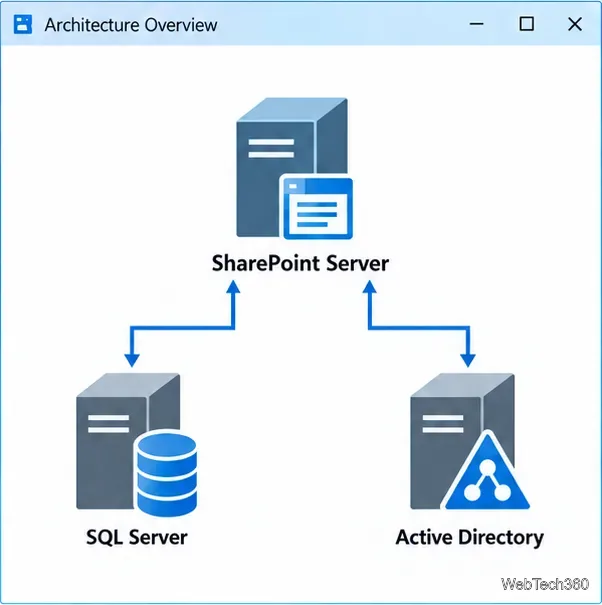
Install SharePoint Server Subscription Edition on Windows Server with current hardware, SQL, prerequisite, setup, and farm-configuration guidance.