How to Fix Snipping Tool Issues on Windows 11
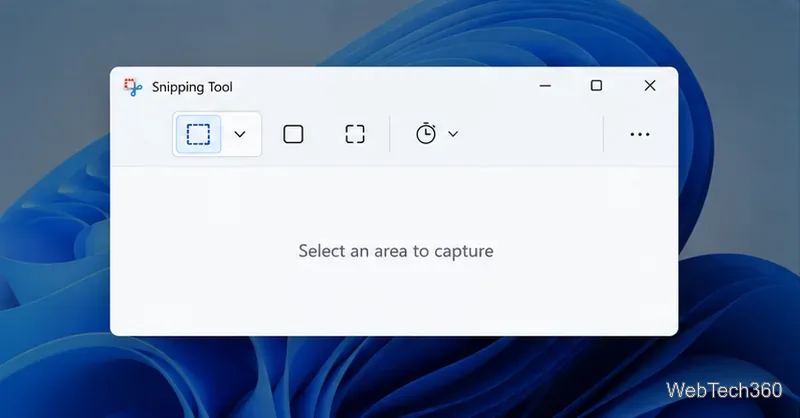
Fix common Snipping Tool problems in Windows 11 with steps to test the shortcut, update or repair the app, reinstall it, and restore missing capture notifications.
Imagine launching your Windows 11 Start Menu only to find the Recommended Section acting up—missing files, unresponsive pins, or just plain glitches that disrupt your workflow. 😩 Don't worry; you're not alone. The Recommended Section in Windows 11 Start Menu is designed to spotlight recently opened files, apps, and pinned favorites for quick access, but like any feature, it can hit snags. This guide dives straight into practical, step-by-step troubleshooting Windows 11 Start Menu Recommended Section solutions to get you back on track. We'll keep it focused, actionable, and empowering, so you can reclaim that seamless experience. Let's fix this together!
At its core, the Recommended Section in the Windows 11 Start Menu is your smart shortcut hub. It showcases:
However, issues like empty sections, slow loading, or pins that vanish can stem from system updates, corrupted caches, or even third-party software conflicts. The good news? Most problems are fixable without advanced tech skills. By the end of this article, you'll have your Start Menu humming efficiently. Ready to troubleshoot? Let's start with the basics.
Before jumping into fixes, pinpointing the problem helps. Here are the top glitches users face with the Windows 11 Start Menu Recommended Section:
| Issue | Symptoms | Common Causes |
|---|---|---|
| Empty or Missing Recommendations | No recent files or pins appear; section looks blank. | Corrupted search index, privacy settings blocking activity tracking, or recent Windows updates. |
| Slow or Unresponsive Loading | Start Menu lags when opening the Recommended area. | High system resource usage, outdated drivers, or cache buildup. |
| Pinned Items Not Sticking | Apps or files unpin themselves after restart. | Profile corruption, third-party antivirus interference, or sync issues with Microsoft account. |
| Irrelevant or Duplicate Suggestions | Wrong files show up or duplicates clutter the view. | Glitches in the recommendation algorithm or conflicting user data. |
These issues can frustrate anyone, but with targeted troubleshooting, you'll resolve them quickly. Pro tip: Always create a system restore point before major changes—search for "Create a restore point" in the Start Menu to set one up. Now, let's roll up our sleeves.
We'll tackle fixes from simple to advanced, ensuring you spend minimal time while maximizing results. Follow along, and check if your issue resolves after each step. 👍
The easiest first step: Restarting the Windows Explorer process often clears temporary glitches in the Start Menu.
Your desktop might flicker briefly, but the Recommended Section should reload fresh. If pins reappear or loading speeds up, you're golden! This fix works for about 40% of users, per community reports.
A cluttered cache is a common culprit for missing recommendations. Clearing it forces Windows 11 to rebuild the index.
%localappdata%\Microsoft\Windows\Explorer, and hit Enter.Voila! Your Recommended Section will repopulate with accurate suggestions. This is especially helpful for empty sections after updates.
If recommendations still fall short, the search index might be outdated. Rebuilding it refreshes how Windows 11 tracks your files.
This process might take 10-30 minutes, but it's a game-changer for missing or irrelevant items in the Recommended Section. Patience pays off here—grab a coffee while it runs! ☕
Sometimes, overzealous privacy options hide your activity from the Start Menu.
Balancing privacy with functionality? Toggle these wisely. This step often revives dormant recommendations without compromising security.
For deeper corruption, use built-in repair tools. These scan and fix system files impacting the Start Menu.
DISM /Online /Cleanup-Image /RestoreHealth and press Enter. Wait for completion.sfc /scannow.These commands are like a health check for Windows 11. If errors were present, your Recommended Section should stabilize. For more details on these tools, check Microsoft's official guide: Microsoft Support.
Ensure you're on the latest Windows 11 build, as updates often patch Start Menu bugs.
Get-AppxPackage Microsoft.Windows.StartMenuExperienceHost | Foreach {Add-AppxPackage -DisableDevelopmentMode -Register "$($_.InstallLocation)\AppXManifest.xml"}.This re-registers the Start Menu components. It's a bit technical but highly effective for unresponsive sections. If all else fails, consider creating a new user profile via Settings > Accounts > Other users.
Once fixed, keep your Windows 11 Start Menu Recommended Section running smoothly:
Staying proactive means fewer headaches down the line. And if you're dealing with hardware-related slowdowns, a quick RAM or storage check in Task Manager can reveal hidden culprits.
There you have it—a complete, no-fluff guide to troubleshooting Windows 11 Start Menu Recommended Section. From quick restarts to powerful scans, these steps empower you to fix issues independently and enjoy a tailored Start Menu that boosts your day. If a problem persists, the Windows 11 community forums are a goldmine for specific tweaks. You've got this—your efficient workflow awaits! 🚀 Have a success story or another tip? Drop it in the comments below to help fellow readers.
Fix common Snipping Tool problems in Windows 11 with steps to test the shortcut, update or repair the app, reinstall it, and restore missing capture notifications.
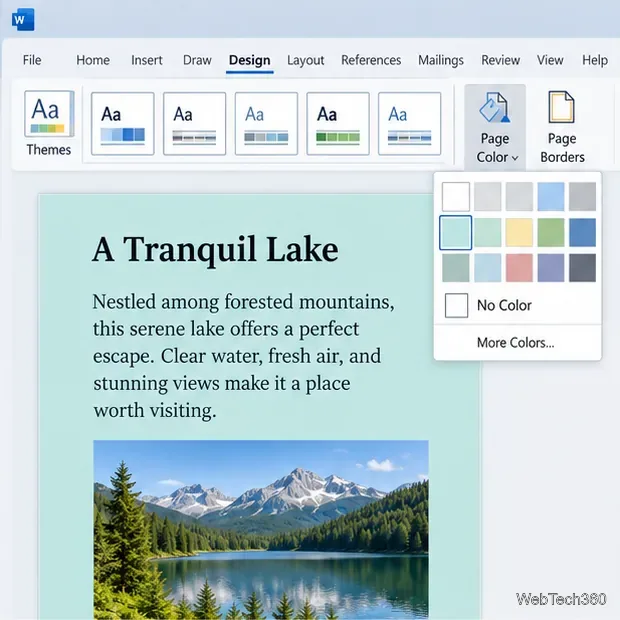
Choose a color-capable printer, enable Word’s background-print setting, and check the preview so page colors, images, and graphics print as expected.
Learn how to use WinX DVD Ripper to convert a DVD you’re entitled to copy into an MP4 file, choose the right title and destination, and troubleshoot playback problems on Windows 10 or 11.
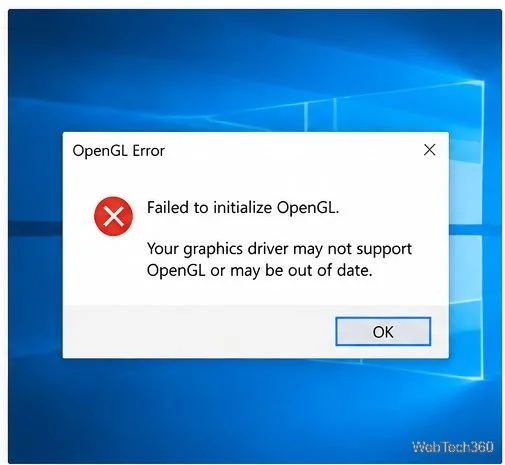
Troubleshoot OpenGL errors in Windows 10 by checking graphics drivers, repairing system files, reinstalling the affected app, and reviewing graphics settings.
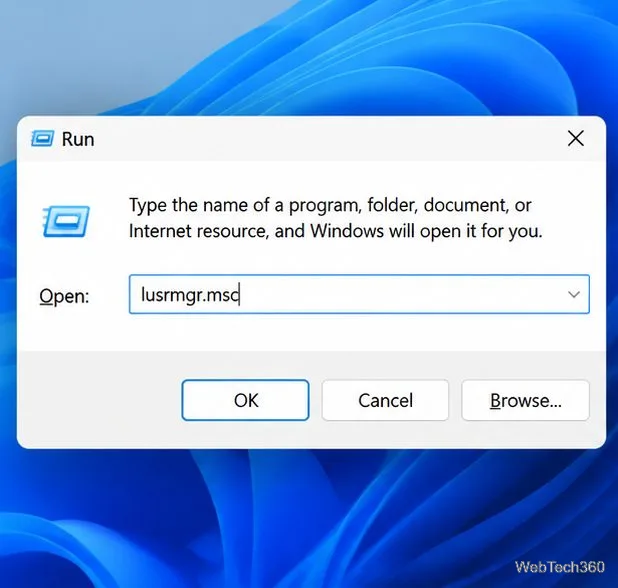
Learn when to use net user, lusrmgr.msc, and net localgroup to view, create, disable, and manage local Windows accounts safely.
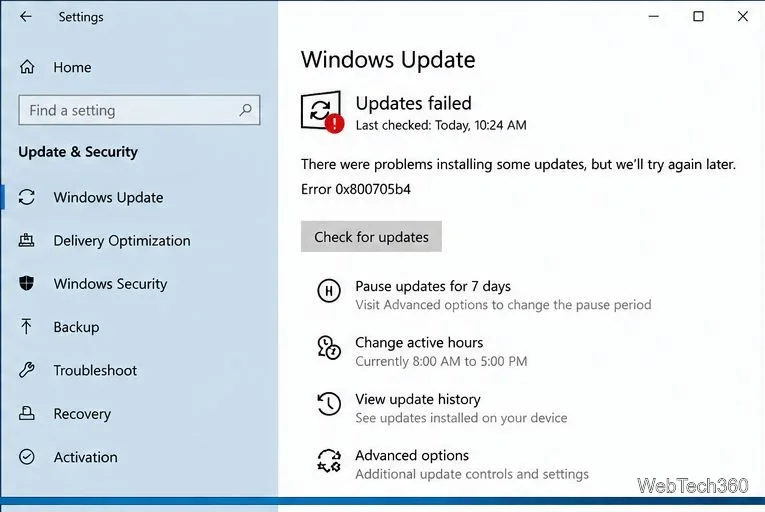
Resolve Windows Update error 0x800705b4 with practical checks for connectivity, update services, cached files, and damaged Windows system components.
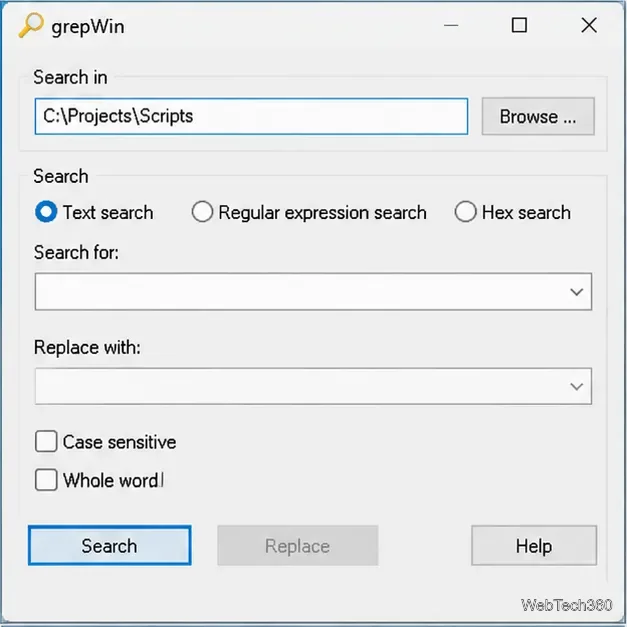
Find words or phrases across multiple text files on Windows 10 with grepWin. Learn how to choose folders, filter file types, include subfolders, and read matches safely.
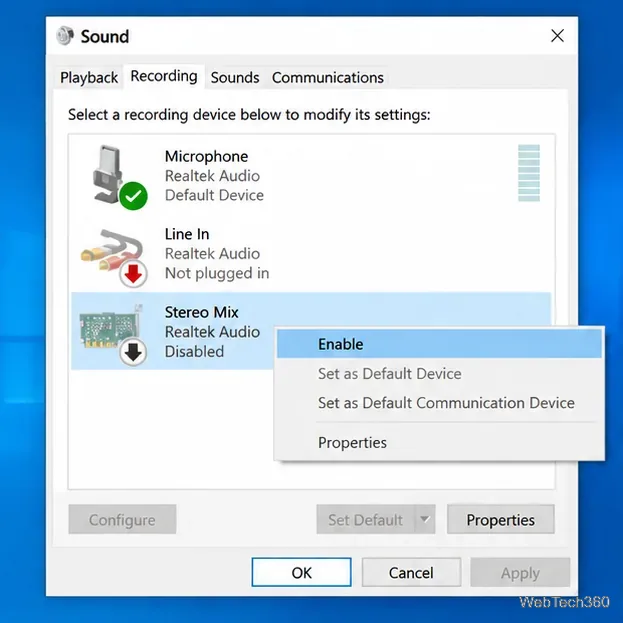
Capture your PC’s playback with FFmpeg on Windows 10. Enable Stereo Mix or use a loopback device, find its DirectShow name, and save clean audio.
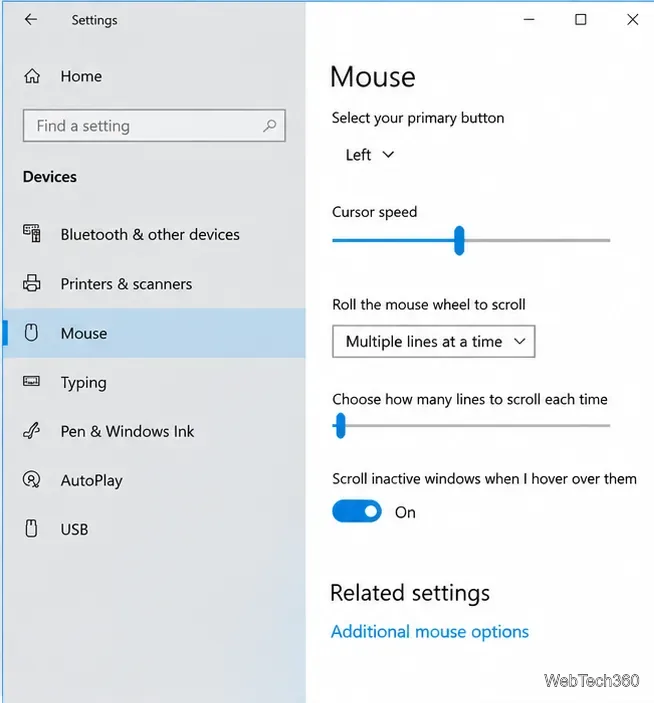
Learn how to adjust Windows 10 mouse pointer speed, change pointer precision, and set hardware DPI with a supported gaming mouse or manufacturer app.
Learn what the legacy Edge blocker registry setting does, how to set it safely, and why it will not stop updates for Microsoft Edge already installed.