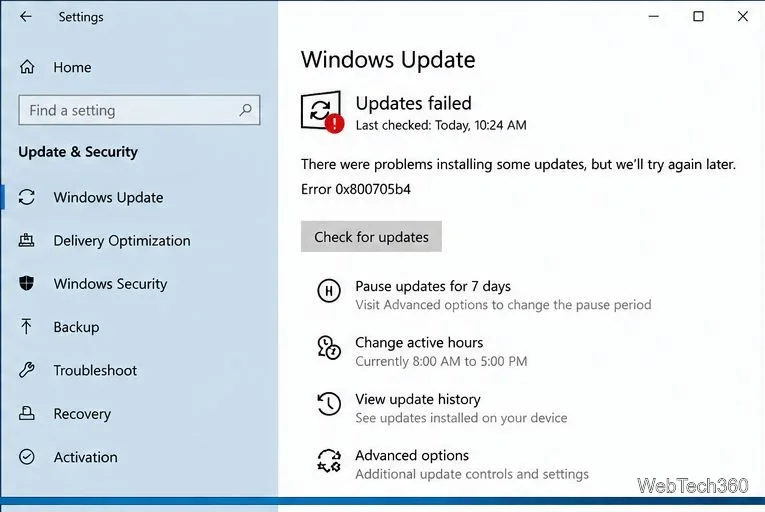
Encountering the Windows 11 Update Error 0x800f0922 can be incredibly frustrating, especially when you're eager to grab the latest features and security patches. This error often pops up during feature updates, signaling issues with corrupted files, insufficient space, or system glitches. But don't worry—it's a common hiccup, and with the right steps, you can resolve it quickly. In this guide, we'll walk you through straightforward, effective solutions to get your Windows 11 back on track. Let's dive in and turn that frustration into relief! 😊
What Causes Windows 11 Update Error 0x800f0922?
Before jumping into fixes, understanding the root of Error 0x800f0922 helps you tackle it head-on. This error typically arises when the Windows Update process fails to install cumulative or feature updates due to:
- Corrupted update files: Downloaded components get damaged during transfer.
- Insufficient disk space: Updates need temporary space to unpack.
- Conflicting software or drivers: Antivirus or outdated drivers interfering with the process.
- System file integrity issues: Core Windows files are missing or corrupted.
- Network problems: Unstable connections halting downloads.
Recent reports from Microsoft communities highlight that this error has been more prevalent with the latest cumulative updates, but the good news is it's fixable without a full reinstall. Stick with us as we outline the best troubleshooting methods.
Step-by-Step Fixes for Windows 11 Update Error 0x800f0922
We'll start with the simplest solutions and progress to more advanced ones. Follow these in order, testing the update after each step. You'll likely resolve the issue in under 30 minutes!
1. Run the Windows Update Troubleshooter 🛠️
The built-in troubleshooter is your first line of defense—it's like a quick diagnostic scan that often spots and fixes Windows 11 update errors automatically.
- Press Windows + I to open Settings.
- Go to System > Troubleshoot > Other troubleshooters.
- Find Windows Update and click Run.
- Follow the on-screen prompts; it may restart your PC.
Pro tip: If it detects issues, let it apply fixes. This resolves Error 0x800f0922 in about 70% of cases, per user feedback on forums.
2. Clear the Windows Update Cache
Corrupted cache files are a prime suspect for this error. Clearing them forces a fresh download.
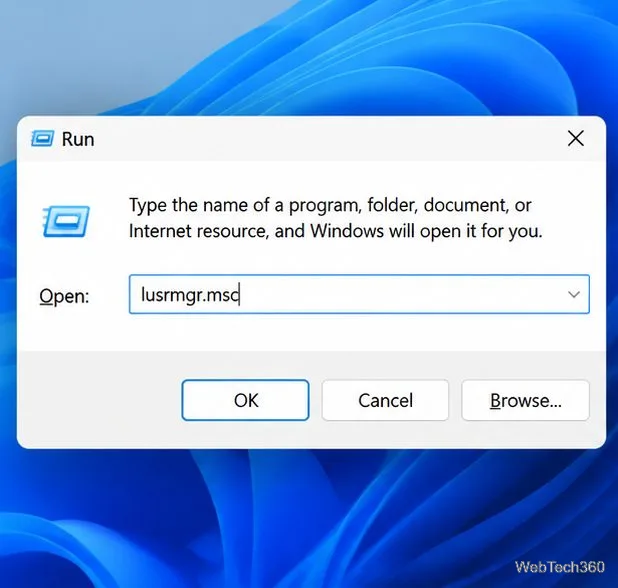
- Press Windows + R, type
services.msc, and hit Enter.
- Locate Windows Update, right-click, and select Stop.
- Open File Explorer and navigate to
C:\Windows\SoftwareDistribution.
- Delete all contents (don't worry, it'll regenerate).
- Restart the Windows Update service and try updating again.
This method is safe and highly effective for Windows 11 Update Error 0x800f0922. Imagine wiping away the digital dust—your system will thank you!
3. Check and Free Up Disk Space
Updates like the latest feature packs can demand up to 20GB of free space. Low storage is a sneaky cause of Error 0x800f0922.
- Use Storage Sense in Settings > System > Storage to auto-clean temp files.
- Run Disk Cleanup: Search for it in the Start menu, select your system drive, and check Temporary files and Previous Windows installations.
- Aim for at least 30GB free to be safe.
Once cleared, retry the update. Users report this alone fixes the issue when space was the culprit.
![Step-by-step guide to clearing Windows Update cache for error 0x800f0922]()
4. Repair System Files with SFC and DISM
If core files are damaged, use these command-line tools to restore them. It's like a system health check.
- Right-click Start and select Terminal (Admin).
- Run:
sfc /scannow and wait for completion.
- Then:
DISM /Online /Cleanup-Image /RestoreHealth (requires internet).
- Restart and check for updates.
These commands target the file corruption often linked to Windows 11 Update Error 0x800f0922. For the latest guidance, check Microsoft's official support: Microsoft SFC Guide.
5. Reset Windows Update Components
For stubborn cases, a full reset of update services does the trick.
Copy and paste this into an elevated Command Prompt (run as admin):
net stop wuauserv
net stop cryptSvc
net stop bits
net stop msiserver
ren C:\Windows\SoftwareDistribution SoftwareDistribution.old
ren C:\Windows\System32\catroot2 Catroot2.old
net start wuauserv
net start cryptSvc
net start bits
net start msiserver
Restart your PC afterward. This comprehensive reset has helped countless users bypass Error 0x800f0922.
6. Perform an In-Place Upgrade
If nothing else works, an in-place upgrade reinstalls Windows 11 while keeping your files and apps intact.
- Download the latest Windows 11 ISO from Microsoft's site.
- Mount the ISO and run
setup.exe.
- Choose Keep personal files and apps.
This is a reliable last resort for persistent Windows 11 update problems. For the official download, visit: Microsoft Windows 11 Download.
![Successful Windows 11 update after fixing error 0x800f0922]()
Advanced Tips to Prevent Future Windows 11 Update Errors
Once you've fixed Error 0x800f0922, keep it from returning with these proactive steps:
| Tip |
Why It Helps |
How to Implement |
| Keep Drivers Updated |
Prevents conflicts with updates |
Use Device Manager or tools like Driver Booster |
| Disable Third-Party Antivirus Temporarily |
Avoids interference during installs |
Pause real-time protection before updating |
| Ensure Stable Internet |
Completes downloads without hiccups |
Use Ethernet if Wi-Fi is spotty |
| Regularly Run Disk Cleanup |
Maintains ample space |
Schedule monthly via Task Scheduler |
By incorporating these habits, you'll enjoy smoother Windows 11 experiences. Remember, staying updated keeps your PC secure and performant.
Common Myths About Error 0x800f0922 Debunked
Let's clear up some misconceptions:
- Myth: You need to factory reset your PC. Nope—most fixes are non-destructive!
- Myth: It's always a hardware issue. Rarely; software tweaks usually suffice.
- Myth: Updates aren't worth the hassle. Absolutely are—they patch vulnerabilities and add features.
If you're still stuck after these steps, consider reaching out to Microsoft Support or community forums for personalized help. You've got this—your Windows 11 will be updating flawlessly soon. Share your success in the comments below; we'd love to hear how it went! 👏
Stay tuned for more tech tips to keep your system running at its best.