How to Fix Snipping Tool Issues on Windows 11
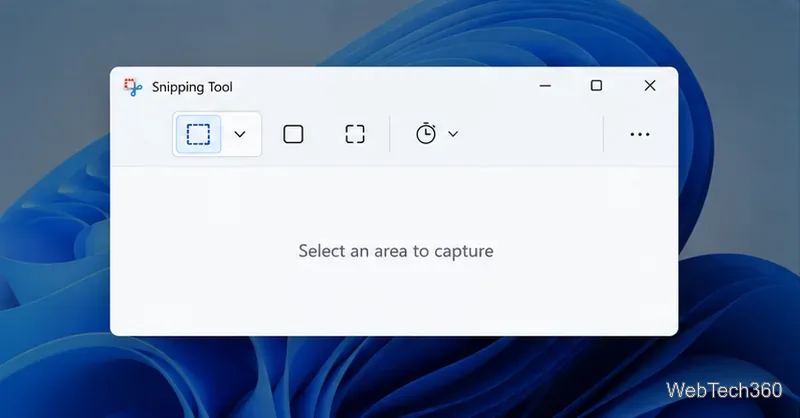
Fix common Snipping Tool problems in Windows 11 with steps to test the shortcut, update or repair the app, reinstall it, and restore missing capture notifications.
Imagine sinking into your couch, firing up a breathtaking 4K movie, and feeling every detail come alive on your screen. With Windows 11 Media Player, this isn't just a dream—it's your everyday reality. The latest updates to Windows 11 have supercharged its native media capabilities, making it a powerhouse for handling high-resolution content like 4K videos. Whether you're a cinephile, a content creator, or just someone who loves crisp visuals, this guide will walk you through everything you need to know about using Windows 11 Media Player for 4K video. Let's dive in and elevate your viewing experience! 🚀
Before we get hands-on, let's talk about what makes Windows 11 Media Player stand out for 4K playback. Built right into the OS, it's lightweight, integrates seamlessly with your file explorer, and supports modern codecs like HEVC (H.265) out of the box—essential for efficient 4K streaming and storage. No need for third-party apps that clutter your system or demand extra downloads. Plus, with hardware acceleration features, it offloads the heavy lifting to your GPU, ensuring smooth playback even on mid-range hardware.
The excitement builds when you realize how user-friendly it is. Forget clunky interfaces; Windows 11's player offers a clean, modern design that feels intuitive. And for those immersive sessions, it handles subtitles, chapters, and even 4K HDR content with ease, bringing colors to life like never before. Ready to get started? Let's break it down step by step.
Setting up 4K video playback is simpler than you think. Follow these steps to launch your first ultra-high-definition clip without a hitch.
That's it! Your screen should now burst with vibrant 4K clarity. But if things feel off, don't worry—we'll cover optimizations next to make it flawless.

To truly harness the power of Windows 11 Media Player for 4K video, your hardware and settings need to align. Here's how to fine-tune for stutter-free, eye-popping results that keep you glued to the screen.
Feeling empowered? These tweaks transform average viewing into a cinematic event. Imagine the thrill of spotting every feather in a nature doc or every explosion in an action flick—pure magic!
Windows 11 Media Player isn't just basic playback; it's packed with gems for 4K enthusiasts. Let's explore what sets it apart.
| Feature | Description | 4K Benefit |
|---|---|---|
| Hardware Acceleration | Uses GPU for decoding | Reduces CPU load for 60fps 4K |
| HDR Support | Dynamic range enhancement | Vivid colors and contrast in 4K HDR videos |
| Subtitle Integration | Auto-loads .srt files | Clear text overlay without quality loss |
| Playlist Management | Create and shuffle queues | Binge 4K series effortlessly |
One standout is the mini view mode—resize the player to float over other apps while you multitask. Perfect for following a 4K tutorial without losing your workflow. Or use keyboard shortcuts like Spacebar (play/pause) and arrow keys (seek) for lightning-fast control. These touches make every session feel polished and fun.
Even the best setups hit snags. If your 4K video won't play or looks pixelated, here's how to fix it quickly—no frustration required. 😊
These fixes usually resolve issues in minutes, getting you back to that immersive 4K world. If all else fails, the player logs errors in Event Viewer—search for it in Start for deeper diagnostics.
To keep the good vibes going, pair your setup with a 4K monitor or TV via HDMI 2.0+. Dim the lights, grab popcorn, and let Windows 11 Media Player handle the rest. For creators, export your own 4K edits directly into the player for instant previews—seamless workflow bliss!
As you explore more 4K content, you'll notice how this player adapts, learning your preferences for even better playback. It's not just software; it's your gateway to visual wonders. What's your favorite 4K gem? Dive in, experiment, and share your setups in the comments below—we'd love to hear how you're making the most of it!
With these insights, you're all set to conquer 4K video playback on Windows 11. Happy watching! 🎥
Fix common Snipping Tool problems in Windows 11 with steps to test the shortcut, update or repair the app, reinstall it, and restore missing capture notifications.
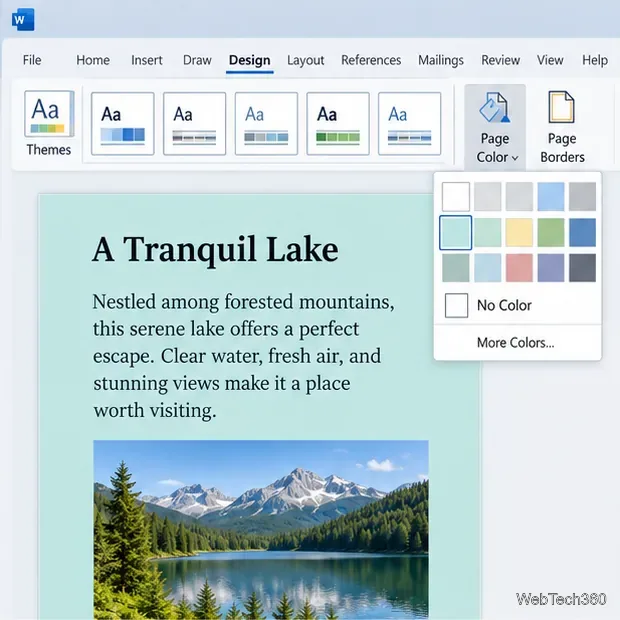
Choose a color-capable printer, enable Word’s background-print setting, and check the preview so page colors, images, and graphics print as expected.
Learn how to use WinX DVD Ripper to convert a DVD you’re entitled to copy into an MP4 file, choose the right title and destination, and troubleshoot playback problems on Windows 10 or 11.
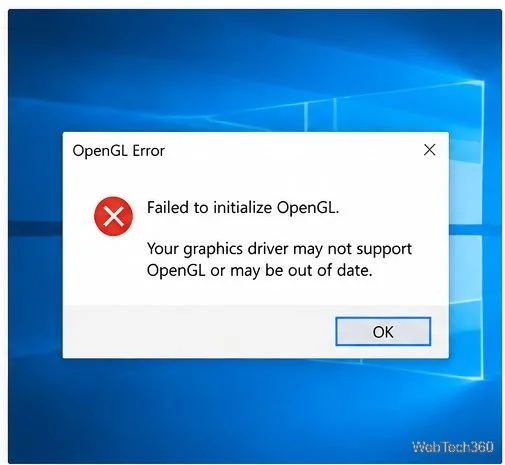
Troubleshoot OpenGL errors in Windows 10 by checking graphics drivers, repairing system files, reinstalling the affected app, and reviewing graphics settings.
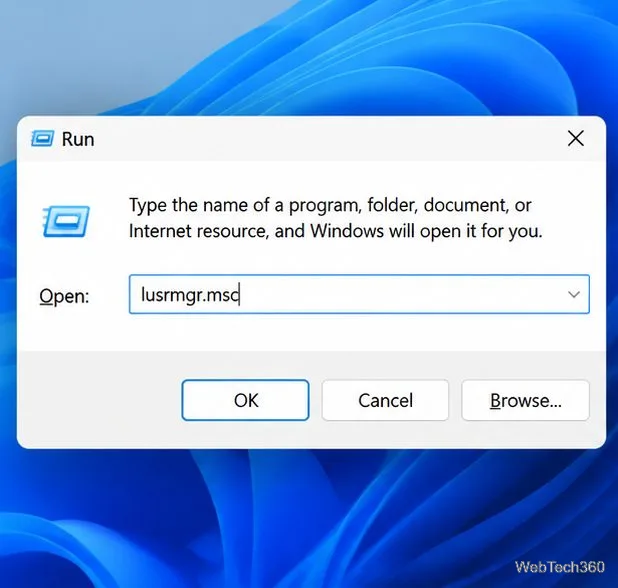
Learn when to use net user, lusrmgr.msc, and net localgroup to view, create, disable, and manage local Windows accounts safely.
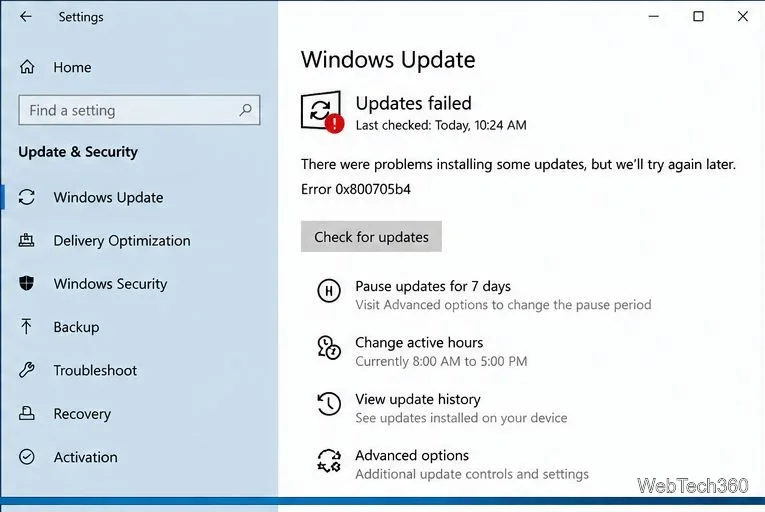
Resolve Windows Update error 0x800705b4 with practical checks for connectivity, update services, cached files, and damaged Windows system components.
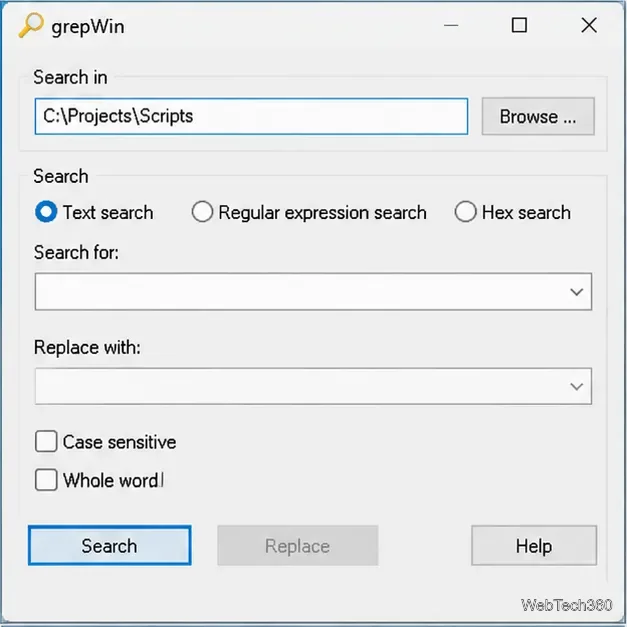
Find words or phrases across multiple text files on Windows 10 with grepWin. Learn how to choose folders, filter file types, include subfolders, and read matches safely.
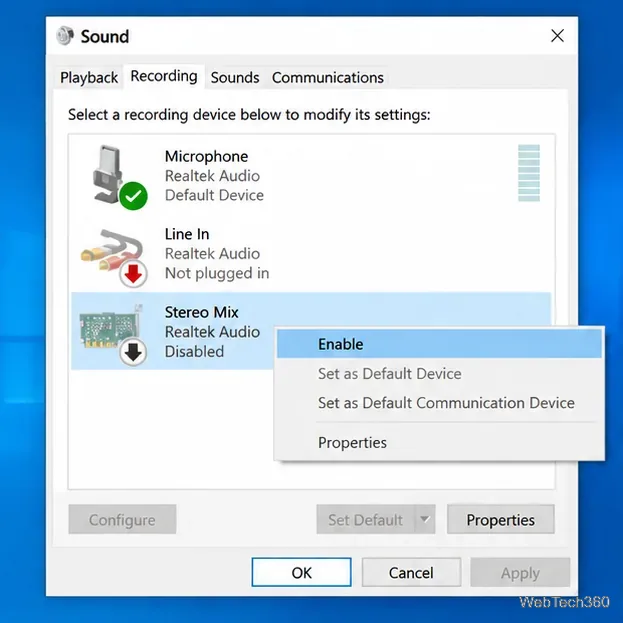
Capture your PC’s playback with FFmpeg on Windows 10. Enable Stereo Mix or use a loopback device, find its DirectShow name, and save clean audio.
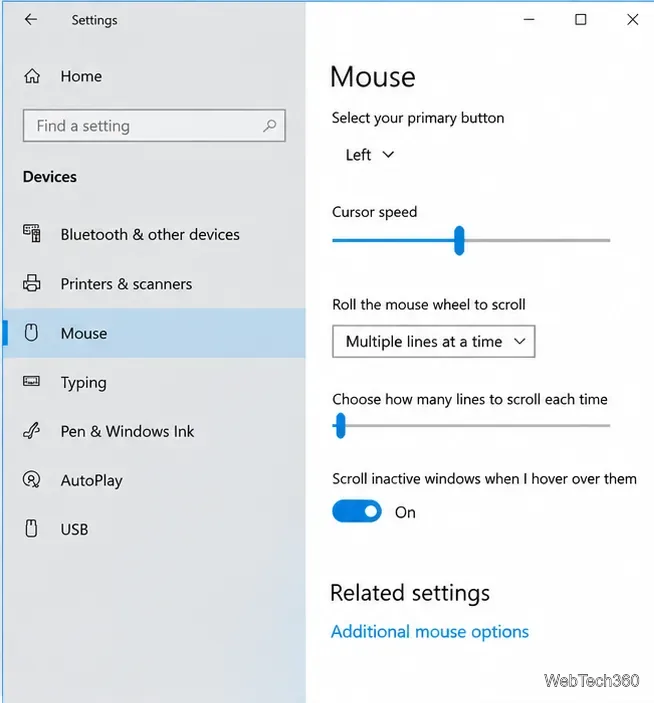
Learn how to adjust Windows 10 mouse pointer speed, change pointer precision, and set hardware DPI with a supported gaming mouse or manufacturer app.
Learn what the legacy Edge blocker registry setting does, how to set it safely, and why it will not stop updates for Microsoft Edge already installed.