Imagine effortlessly projecting your Windows 11 screen to a TV or another device without a single cable in sight. That's the magic of Windows 11 Miracast! This wireless display technology turns your PC into a powerhouse for presentations, movie nights, or collaborative work. Whether you're a tech newbie or a seasoned user, setting up Miracast screen sharing is straightforward and rewarding. In this guide, we'll walk you through every step, ensuring you get it right the first time. Let's dive in and unlock wireless freedom! 🚀
What is Miracast and Why Use It on Windows 11?
Miracast is a built-in wireless standard in Windows 11 that lets you mirror or extend your screen to compatible receivers like smart TVs, projectors, or even another Windows PC. No apps, no dongles—just pure wireless convenience. It's perfect for sharing ideas in meetings, streaming games, or binge-watching on a bigger screen.
Why bother? In our connected world, cables are so last decade. Windows 11 Miracast saves time, reduces clutter, and boosts productivity. Plus, it's free and uses Wi-Fi Direct, so no internet is needed. Ready to set it up? Follow these steps for flawless screen sharing on Windows 11.
Prerequisites: Ensure Your Devices Are Ready
Before jumping in, check if your setup supports Miracast. Not every device plays nice, but most modern ones do.
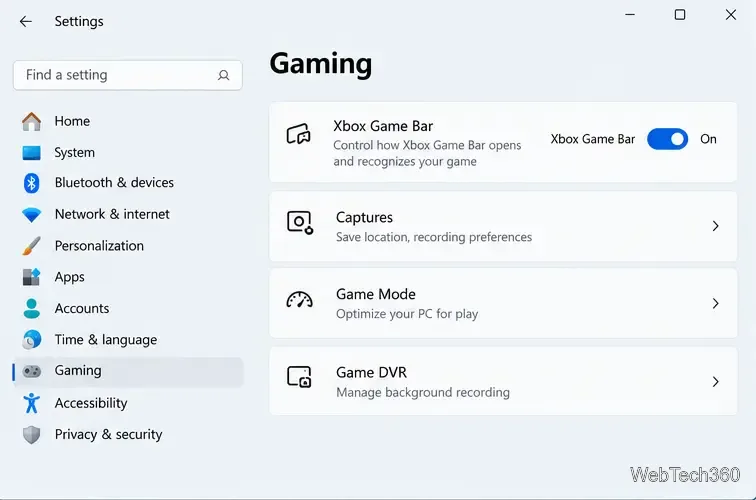
- Windows 11 PC: Must have Miracast support. Head to Settings > System > Display > Advanced display to verify. If it's there, you're golden! ⭐
- Receiver Device: Smart TVs (Samsung, LG, Sony), Microsoft Wireless Display Adapter, or another Windows PC with Miracast enabled.
- Wi-Fi: Both devices need to be on the same network or support Wi-Fi Direct. Bluetooth isn't required, but ensure drivers are updated.
- Updates: Run Windows Update for the latest drivers. Outdated software can cause hiccups.
Pro tip: If your PC lacks built-in support, a cheap USB adapter can fix that. Now, let's get to the fun part!

Step-by-Step Guide: How to Setup Windows 11 Miracast
Setting up Windows 11 Miracast takes just minutes. We'll break it down into clear, actionable steps. Grab your devices and let's connect!
Step 1: Enable Miracast on Your Receiver
First, prepare the device you're sharing to. For a smart TV:
- Turn on your TV and go to Settings > Network > Screen Mirroring or Wireless Display.
- Enable the Miracast or Screen Share option. Your TV might show a prompt or PIN—note it down. 😊
For another Windows PC as receiver:
- Search for "Connect" in the Start menu and open the app.
- Click "Add a wireless display" and follow prompts to make it discoverable.
Step 2: Access Miracast on Your Windows 11 PC
Now, on your main PC:
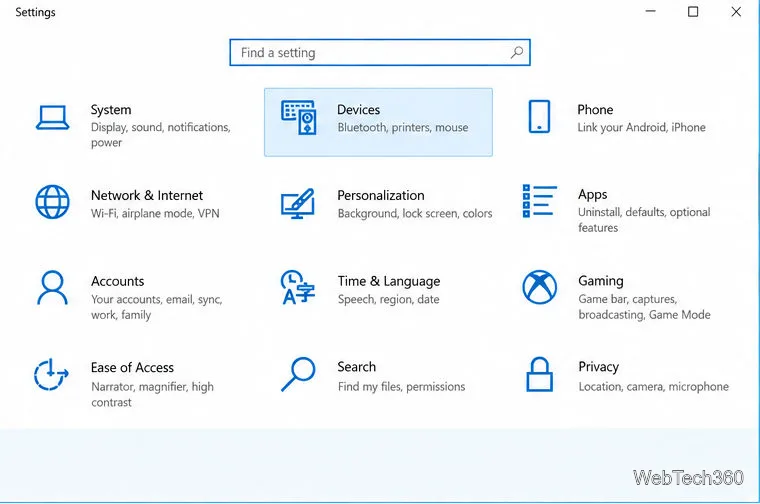
- Press Windows key + K to open the Cast menu instantly. Or, go to Settings > System > Display > Multiple displays > Connect to a wireless display.
- Your PC will scan for available devices. Select your receiver from the list. 👆
![Windows 11 Connect to wireless display menu]()
Step 3: Connect and Confirm
If prompted, enter the PIN from your receiver. Boom—your screens are linked! You'll see options to mirror (duplicate) or extend (use as a second screen). Choose what suits your needs.
- For mirroring: Select "Duplicate these displays."
- For extending: Pick "Extend these displays" to drag windows across screens.
- Hit "Connect" and watch the magic happen.
That's it! Your Windows 11 screen sharing is live. Test it by dragging a video or app to the receiver—smooth as butter.
Step 4: Customize Your Display Settings
Once connected, fine-tune for the best experience:
- Right-click desktop > Display settings.
- Adjust resolution, orientation, or scale to match your receiver.
- Enable "Do not disturb" in notifications to avoid interruptions during shares.
Feeling empowered? This setup not only simplifies Miracast on Windows 11 but also opens doors to creative uses like virtual whiteboards or remote demos.
![Successful Miracast connection on Windows 11]()
Troubleshooting Common Miracast Issues on Windows 11
Even the best tech has glitches. Don't worry—if screen sharing Windows 11 isn't working, try these fixes. We've all been there! 😅
| Issue |
Solution |
| No devices found |
Ensure both are on the same Wi-Fi. Restart devices and update graphics drivers via Device Manager. |
| Connection drops |
Check for interference (e.g., microwaves). Switch to a less crowded Wi-Fi channel or use Wi-Fi Direct only. |
| Choppy video |
Lower resolution in Display settings. Close background apps to free up resources. |
| PIN errors |
Restart the receiver and re-enable Miracast. Ensure firewall isn't blocking (Settings > Privacy & security > Firewall). |
If issues persist, run the built-in troubleshooter: Settings > System > Troubleshoot > Other troubleshooters > Hardware and Devices. For deeper dives, check Microsoft's official support—it's a lifesaver.
Microsoft Wireless Display Support
Advanced Tips: Elevate Your Miracast Experience
Now that basics are covered, level up your Windows 11 Miracast game. These tips will keep you sharing like a pro.
- Security First: Use a PIN for connections and disable Miracast when not in use to prevent unauthorized access.
- Multi-Device Sharing: Windows 11 supports casting to multiple receivers—ideal for team setups.
- Integrate with Apps: Pair with Microsoft Teams or Zoom for hybrid meetings. Share your screen wirelessly and impress colleagues! 👏
- Performance Boost: Ensure your PC meets Windows 11's hardware reqs (like TPM 2.0) for optimal Miracast screen sharing.
Experiment with extending vs. mirroring to find your workflow sweet spot. Who knew wireless sharing could feel this liberating?
Final Thoughts: Share Screens, Share Ideas
Congrats—you've mastered how to setup Windows 11 Miracast for screen sharing! This feature isn't just tech; it's a gateway to seamless collaboration and entertainment. Whether presenting at work or chilling at home, Miracast makes it effortless. Got questions or a cool use case? Drop a comment below—we'd love to hear how it's transforming your setup. Keep exploring Windows 11's wonders, and happy sharing! 🌟
Word count: Approximately 850 (kept concise for your reading pleasure).