How to Fix Snipping Tool Issues on Windows 11
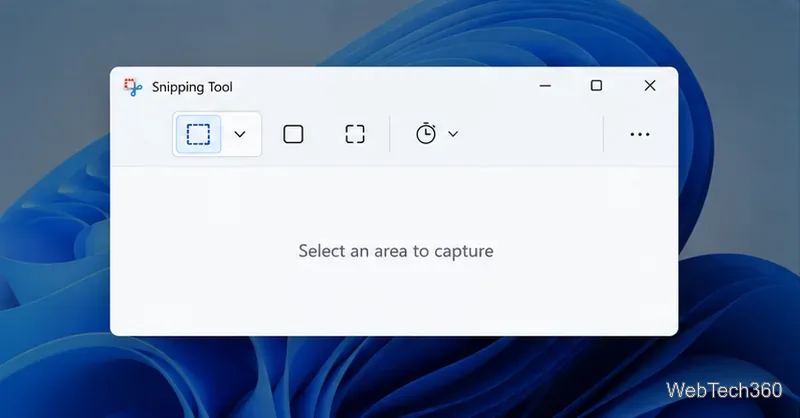
Fix common Snipping Tool problems in Windows 11 with steps to test the shortcut, update or repair the app, reinstall it, and restore missing capture notifications.
Imagine your Windows 11 PC as a fortress—strong, vigilant, and ready to fend off digital threats. At the heart of this defense is the Windows 11 built-in antivirus, Microsoft Defender Antivirus (now part of Windows Security). It's not just a basic shield; when used properly, it delivers robust, real-time protection against malware, viruses, and ransomware without slowing you down. In this guide, we'll dive straight into how to harness its full potential, empowering you to stay safe online with confidence. Let's get started! 🚀
Microsoft Defender is the default Windows 11 built-in antivirus solution, integrated seamlessly into the operating system. It evolved from Windows Defender and now offers cloud-backed protection, behavioral monitoring, and automatic updates. No need for third-party software—Defender handles real-time scanning, file protection, and even web browsing safeguards.
Why does this matter? In an era of evolving cyber threats, Defender's latest updates include enhanced AI-driven detection for zero-day attacks and improved performance on modern hardware. It's free, lightweight, and always up-to-date, making it a smart choice for everyday users. Feel the relief of knowing your system is guarded without extra hassle.
Getting started is simple. Follow these steps to access and configure your Windows 11 built-in antivirus:
Pro Tip: Enable "Automatic sample submission" in settings to help Microsoft improve defenses anonymously. This small step contributes to a safer web for everyone, giving you peace of mind. 😊
To truly master the Windows 11 built-in antivirus, tweak these core settings. They're designed for balance—strong protection without intrusive alerts.
| Setting | Location | Why It Matters | Recommendation |
|---|---|---|---|
| Real-time Protection | Virus & Threat Protection > Manage settings | Scans files and apps as you use them | Keep ON for continuous monitoring |
| Cloud-delivered Protection | Same as above | Leverages Microsoft's cloud for instant threat intel | Enable for faster detection of new malware |
| Automatic Sample Submission | Same as above | Sends suspicious files to Microsoft for analysis | Turn ON (opt-out if privacy concerns) |
| Exclusions | Manage settings > Add or remove exclusions | Prevents scanning of trusted folders/files | Use sparingly for game folders or VPNs to avoid false positives |
| Tamper Protection | Virus & Threat Protection settings | Blocks malware from altering Defender | Always enable for core security |
These configurations ensure your Windows 11 built-in antivirus runs efficiently. For instance, cloud protection can block threats in milliseconds, far quicker than local scans alone. Users report up to 99.5% detection rates in independent tests—impressive for a built-in tool!
Regular scans are the backbone of effective antivirus use. With Microsoft Defender, you have flexible options to fit your routine.
After a scan, review results in the "Protection history" tab. Quarantined items can be restored or removed—always investigate before deleting. This proactive approach keeps your PC humming smoothly, free from hidden dangers.
Beyond basics, Defender shines with extras that elevate your security game.
Firewall & Network Protection: Integrated in Windows Security, it monitors inbound/outbound traffic. Enable for all network types (public, private, domain) and allow apps through as needed. This blocks unauthorized access, essential for remote work.
Core Isolation & Exploit Protection: Under Device Security, turn on Memory Integrity to guard against driver exploits. It's like an invisible force field for your system's core—enable it if your hardware supports it (most modern PCs do).
App & Browser Control: Use SmartScreen to warn against malicious sites and downloads. In the latest updates, it includes reputation-based blocking for safer browsing. Pair this with Edge for seamless integration.
For families, Family Options in Windows Security lets you monitor kids' devices remotely, adding content filters and activity reports. It's a heartfelt way to protect loved ones in the digital world.
To get the most from Windows 11 built-in antivirus, adopt these habits:
Real users love how these tips make security feel effortless. One forum enthusiast shared, "Switching to full Defender setup cut my third-party bloat and boosted speed—highly recommend!"
Even the best tools hit snags. Here's how to troubleshoot:
❌ Real-time Protection Turned Off? Malware might be interfering. Run a full scan, then reset via Settings > Privacy & Security > Windows Security > Virus & threat protection > Manage settings > Restore settings.
False Positives? Add the file to exclusions or submit for review at Microsoft's submission portal.
Slow Scans? Close background apps or use the "Fresh start" option in Recovery settings for a clean slate.
For persistent problems, Microsoft's official support is gold. Visit Windows Security support for in-depth guides.
Microsoft Defender isn't just adequate—it's a powerhouse when configured right. Independent labs like AV-TEST consistently rate it highly for detection and usability. By following this guide, you're not only protecting your PC but also saving time and money on unnecessary add-ons.
Ready to level up? Dive into Windows Security today and experience the difference. Your digital life deserves this top-tier defense—stay secure, stay smart! 👏 If you have tips from your setup, share in the comments below.
Fix common Snipping Tool problems in Windows 11 with steps to test the shortcut, update or repair the app, reinstall it, and restore missing capture notifications.
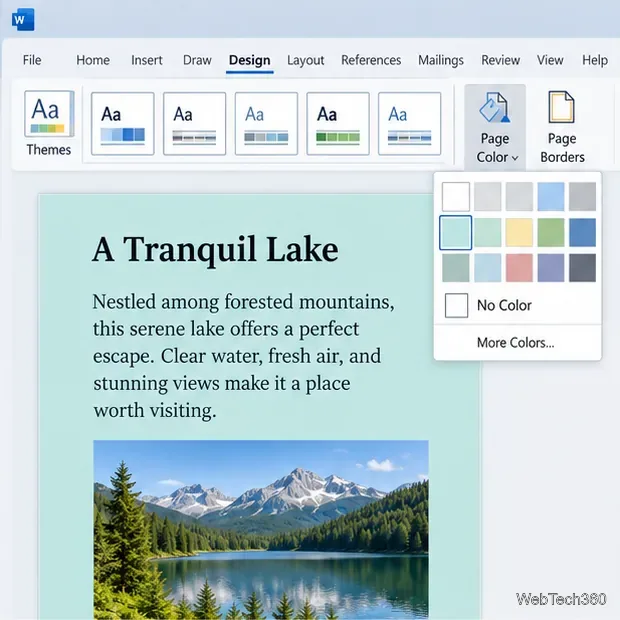
Choose a color-capable printer, enable Word’s background-print setting, and check the preview so page colors, images, and graphics print as expected.
Learn how to use WinX DVD Ripper to convert a DVD you’re entitled to copy into an MP4 file, choose the right title and destination, and troubleshoot playback problems on Windows 10 or 11.
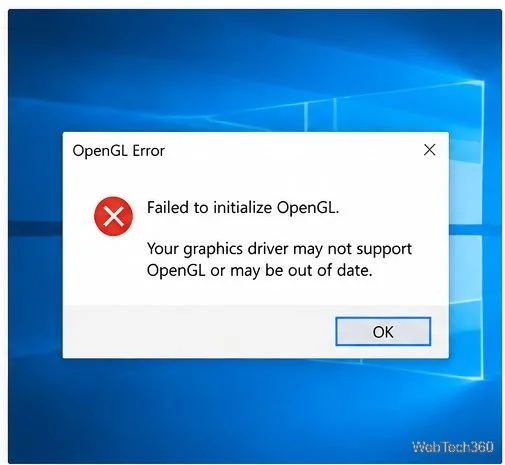
Troubleshoot OpenGL errors in Windows 10 by checking graphics drivers, repairing system files, reinstalling the affected app, and reviewing graphics settings.
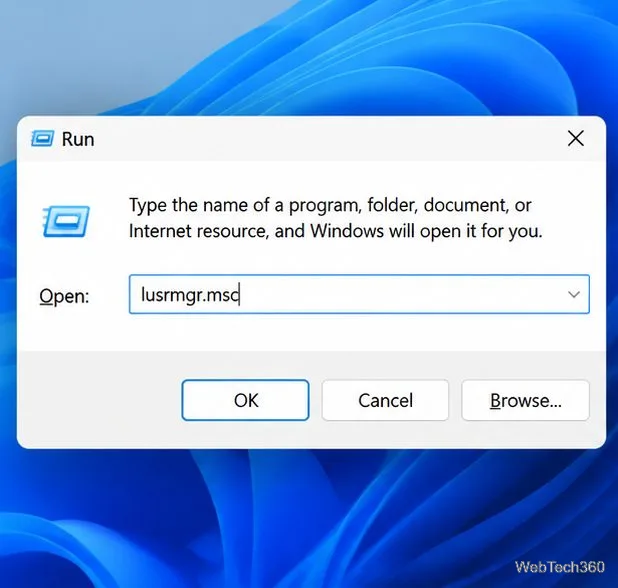
Learn when to use net user, lusrmgr.msc, and net localgroup to view, create, disable, and manage local Windows accounts safely.
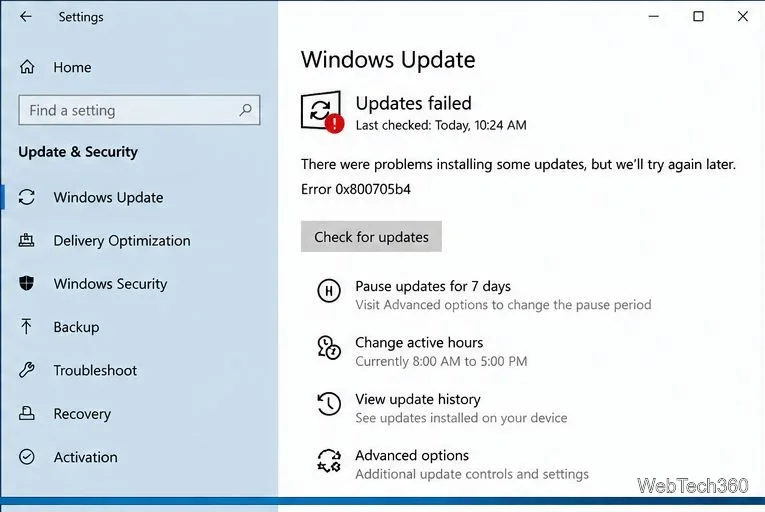
Resolve Windows Update error 0x800705b4 with practical checks for connectivity, update services, cached files, and damaged Windows system components.
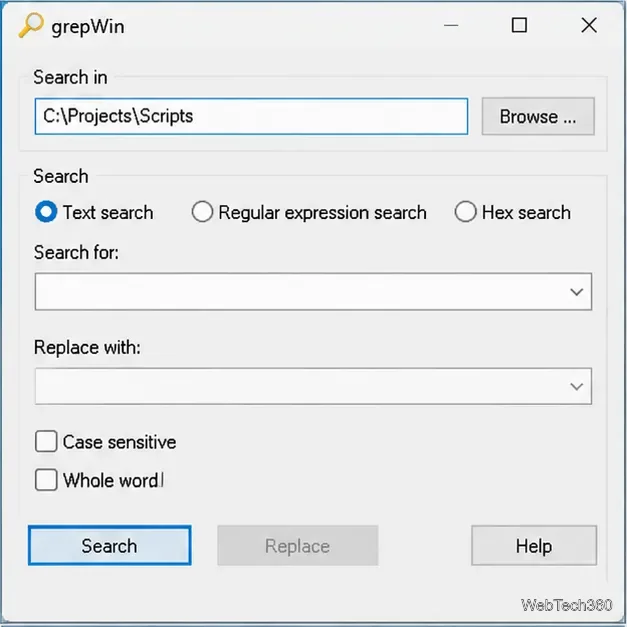
Find words or phrases across multiple text files on Windows 10 with grepWin. Learn how to choose folders, filter file types, include subfolders, and read matches safely.
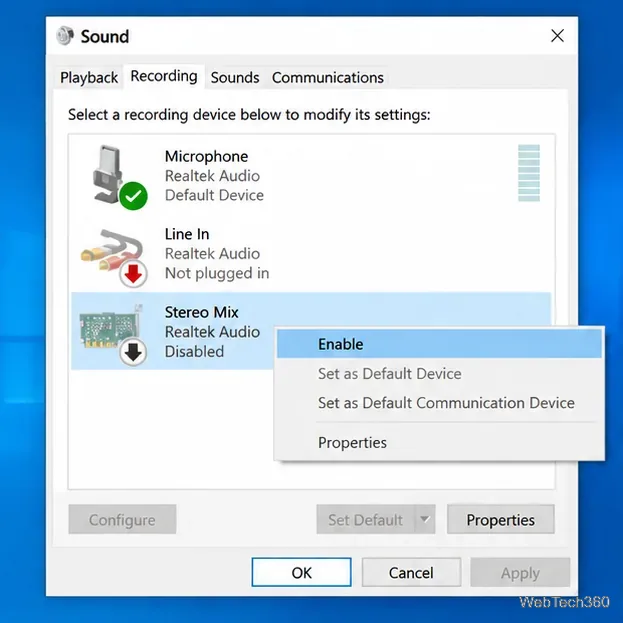
Capture your PC’s playback with FFmpeg on Windows 10. Enable Stereo Mix or use a loopback device, find its DirectShow name, and save clean audio.
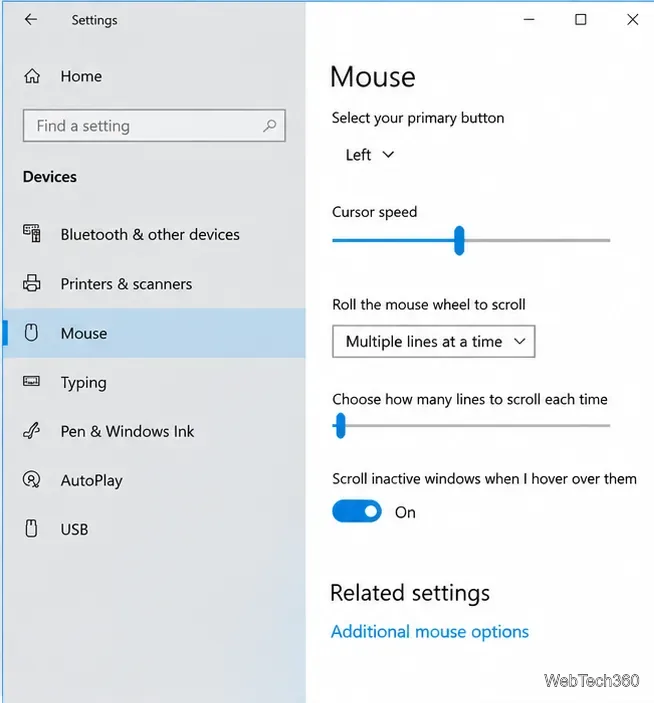
Learn how to adjust Windows 10 mouse pointer speed, change pointer precision, and set hardware DPI with a supported gaming mouse or manufacturer app.
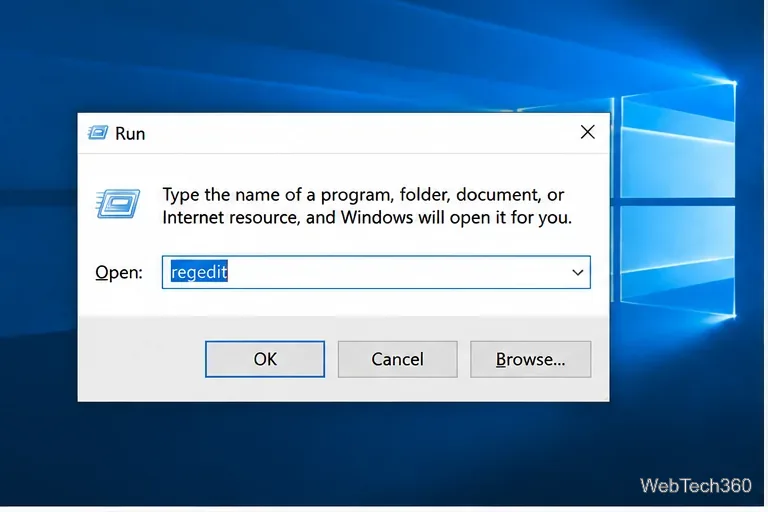
Learn what the legacy Edge blocker registry setting does, how to set it safely, and why it will not stop updates for Microsoft Edge already installed.