Imagine your Windows 11 PC suddenly freezing, crashing, or refusing to boot. Frustrating, right? But don't worry—there's a powerful, built-in tool right at your fingertips: the Windows 11 Command Prompt. This isn't just for tech wizards; anyone can use it to perform quick repairs and restore your system to peak performance. In this guide, we'll walk you through essential Command Prompt repair techniques, step by step, so you can tackle common issues with confidence. Let's dive in and get your machine back on track! 🚀
Why Use Command Prompt for Repairs in Windows 11?
The Windows 11 Command Prompt (often called CMD) is a text-based interface that lets you execute commands to diagnose and fix problems that graphical tools might miss. It's especially handy for system-level repairs, like scanning for corrupted files or resetting network settings. Unlike the more modern PowerShell, CMD remains a reliable staple for straightforward fixes. Plus, it's accessible even if your desktop is unresponsive—boot into Safe Mode or use recovery options to launch it.
Ready to empower yourself? We'll cover the basics first, then move to advanced repairs. By the end, you'll feel like a pro troubleshooter. 😊
How to Open Command Prompt in Windows 11
Before repairing, you need to access CMD. Here's how:
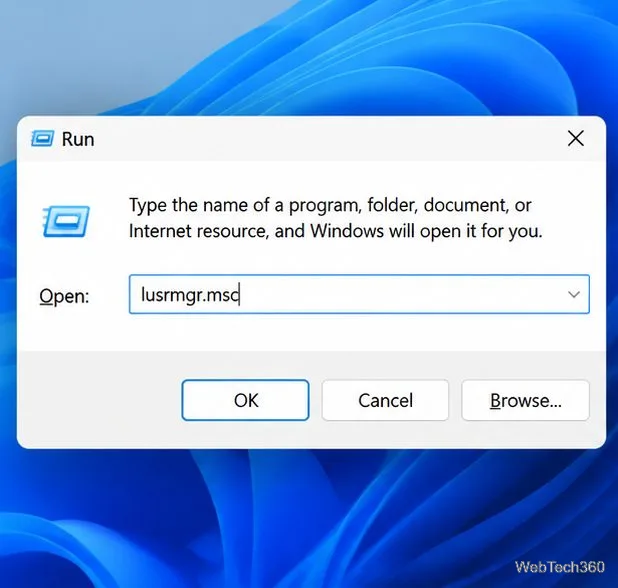
- Press Windows key + R, type
cmd, and hit Enter. For admin privileges (essential for repairs), right-click and select "Run as administrator."
- Search for "Command Prompt" in the Start menu and choose the admin option.
- If Windows won't boot normally, restart while holding Shift to enter Recovery Environment, then go to Troubleshoot > Advanced options > Command Prompt.
Pro tip: Always run as administrator to avoid permission errors. Now, let's repair!

Essential Command Prompt Repairs for Windows 11
We'll focus on the most common and effective commands. Each one targets specific issues, saving you time and headaches. Follow along carefully—copy-paste commands exactly as shown.
1. Run System File Checker (SFC) to Fix Corrupted Files
Corrupted system files can cause crashes, blue screens, or app failures. The SFC /scannow command scans and replaces them automatically.
Steps:
- Open Command Prompt as administrator.
- Type:
sfc /scannow and press Enter.
- Wait 10-30 minutes for the scan. It will report findings and repair issues.
- Restart your PC afterward.
If SFC finds unfixable files, move to DISM (next). This command has saved countless systems—it's like a digital mechanic for your OS! ⭐
2. Use DISM for Deeper System Repairs
Deployment Image Servicing and Management (DISM) goes beyond SFC by repairing the Windows image itself. Ideal for stubborn corruption in Windows 11.
Steps:
- In admin CMD, type:
DISM /Online /Cleanup-Image /CheckHealth to check status.
- Then:
DISM /Online /Cleanup-Image /ScanHealth for a full scan.
- If issues found, run:
DISM /Online /Cleanup-Image /RestoreHealth. This may take time and requires internet for replacement files.
- Follow up with SFC /scannow.
DISM is a game-changer for maintaining a healthy Windows image. Feeling empowered yet? Keep reading for network fixes. 🔧
![Running DISM command in Command Prompt for Windows 11 repair]()
3. Reset Network Settings with Netsh Commands
Wi-Fi woes or IP conflicts? Use Command Prompt to reset everything without reinstalling drivers.
Key Commands:
netsh int ip reset – Resets TCP/IP stack.netsh winsock reset – Clears Winsock catalog.ipconfig /flushdns – Clears DNS cache.ipconfig /release followed by ipconfig /renew – Refreshes IP.
Run these in sequence, then restart. Your connection should be lightning-fast again! If you're on a corporate network, note any custom settings.
4. Repair Boot Issues with Bootrec
Can't boot into Windows? From the Recovery Environment's Command Prompt, use Bootrec to fix the master boot record (MBR).
Steps:
- Boot from Windows installation media or enter Recovery.
- Select Command Prompt.
- Type:
bootrec /fixmbr, then bootrec /fixboot, and bootrec /scanos.
- Finally:
bootrec /rebuildbcd to rebuild the boot configuration.
- Exit and restart.
This revives non-booting PCs like magic. No more panic over startup errors! 👍
![Boot repair using Command Prompt in Windows 11]()
5. Check Disk for Errors with CHKDSK
Hard drive glitches can mimic software issues. CHKDSK scans and repairs bad sectors.
Command: chkdsk C: /f /r (replace C: with your drive). The /f fixes errors, /r recovers data.
Run on restart if the drive is in use. It's thorough but worth it for data integrity.
Advanced Tips for Command Prompt Repairs
To supercharge your repairs:
- Combine Tools: Always run DISM before SFC for best results.
- Safe Mode Access: Boot into Safe Mode (hold Shift during restart) for isolated repairs.
- Backup First: Use
xcopy or external tools to save data before major fixes.
- Monitor Logs: Check CBS.log (for SFC) in C:\Windows\Logs\CBS for details.
For visual learners, here's a quick reference table of core commands:
| Command |
Purpose |
Example |
| SFC /scannow |
Scan and repair system files |
sfc /scannow |
| DISM /Online /Cleanup-Image /RestoreHealth |
Repair Windows image |
DISM /Online /Cleanup-Image /RestoreHealth |
| netsh int ip reset |
Reset network stack |
netsh int ip reset |
| bootrec /fixmbr |
Fix boot sector |
bootrec /fixmbr |
| chkdsk C: /f /r |
Check and repair disk |
chkdsk C: /f /r |
Troubleshooting Common Command Prompt Issues
Stuck? If a command fails:
- Ensure admin rights—errors like "Access Denied" are common otherwise.
- Check internet for DISM (it pulls files from Microsoft servers).
- For bootrec, ensure you're in the correct environment; wrong drive letters can confuse it.
- If all else fails, consider a Windows Reset via Settings > System > Recovery.
These fixes work on the latest Windows 11 builds, keeping your system secure and up-to-date. Microsoft recommends regular maintenance like this for optimal performance—check their official guide for more.
Final Thoughts: Take Control of Your Windows 11 Repairs
Using the Windows 11 Command Prompt for repair is straightforward once you know the commands. From fixing files with SFC to rebuilding boots, these tools can save your day without needing expensive tech support. Practice in a safe environment, and you'll handle most issues solo. Your PC will thank you with smoother operation and fewer crashes. Got a specific error? Drop it in the comments—we're here to help! Keep exploring these tips, and watch your tech skills soar. 🎉
(Word count: approximately 950)