How to Make a Glass Bottle in Minecraft
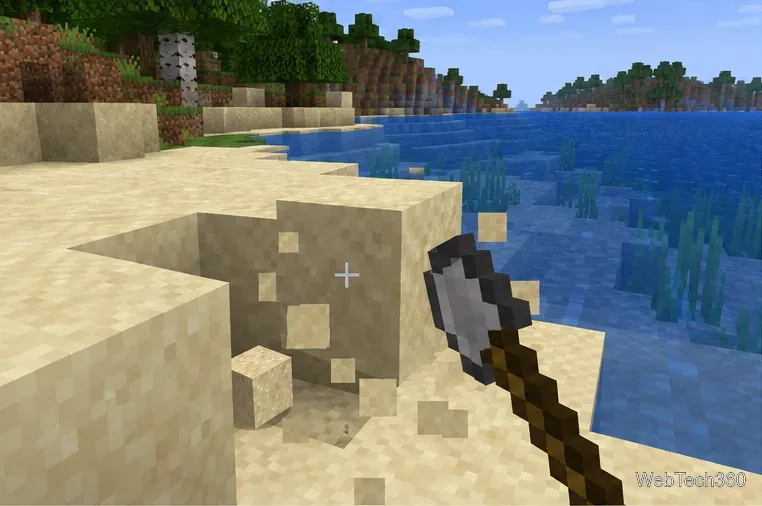
Learn the exact three-glass recipe, smelt sand into glass, and fill your Minecraft bottles with water for brewing.
Imagine juggling multiple folders without the chaos of endless open windows cluttering your screen. That's the magic of Windows 11 File Explorer tabs! This game-changing feature, introduced in the latest Windows updates, transforms how you navigate and manage files. Whether you're a student sorting assignments, a professional handling projects, or just someone tired of desktop clutter, mastering File Explorer tabs will make your workflow smoother and more enjoyable. Let's dive right in and unlock this powerful tool step by step.
Windows 11 File Explorer tabs bring a browser-like experience to your file management. Instead of opening separate windows for each folder, you can create tabs within a single File Explorer instance. This means less screen real estate wasted, faster switching between locations, and a more intuitive way to multitask.
Why bother? In the fast-paced digital world, efficiency is key. According to Microsoft's official documentation, this feature reduces window overload by up to 50% for heavy users—imagine reclaiming your taskbar and focus! It's perfect for comparing files across folders, dragging items between tabs, or simply keeping everything organized. Ready to feel that productivity rush? 👆
Good news: Windows 11 File Explorer tabs are enabled by default in the latest builds. But if they're not showing up, a quick tweak will get you started.
Pro tip: If the tab bar isn't visible, click the three-dot menu in the top-right corner and select "Show tab bar." Now you're set to explore! Feel the excitement building as you streamline your file hunts.
Now that tabs are live, let's put them to work. These practical uses will have you wondering how you ever managed without them. We'll keep it focused on high-impact scenarios to supercharge your day.
Need to copy files from Downloads to Documents while referencing Pictures? Open tabs for each: Ctrl + T for a new one, then navigate via the address bar or sidebar. Drag and drop between tabs effortlessly—no more alt-tabbing between windows. It's like having a multi-pane view without the hassle, saving you precious minutes daily.
For bigger tasks, create a "workspace" of tabs. Start with your project root folder in one tab, then add subfolders like "Drafts," "Finals," and "References" in others. Use Ctrl + Shift + T to reopen recently closed tabs if you accidentally close one—lifesaver! This setup is ideal for writers, designers, or anyone juggling files, keeping your focus laser-sharp.
Searching across tabs? Type in the search bar of any tab, and results appear contextually. Compare file versions by opening "Before" and "After" folders side-by-side in tabs. Bonus: Pin frequently used tabs by right-clicking and selecting "Pin to Quick Access"—they'll always be one click away.
These tricks aren't just functional; they make file management fun and frustration-free. 😊
Once you're comfortable with the basics, level up with these insider hacks for Windows 11 File Explorer tabs. They'll make you feel like a pro in no time.
Stuck? Right-click a tab for options like "Duplicate tab" or "Close other tabs" to declutter instantly. These features, refined in the newest Windows 11 updates, ensure tabs adapt to your style.
Even the best features have quirks. Here's how to sidestep issues with File Explorer tabs for a smooth ride:
| Issue | Solution |
|---|---|
| Tabs not appearing | Update Windows via Settings or enable via Registry (advanced: search for "enable tabs registry Windows 11" on Microsoft Support). |
| Slow performance with many tabs | Limit to 10-15 tabs; close unused ones with Ctrl + W. Restart Explorer if needed (Task Manager > Processes > Windows Explorer > Restart). |
| Accidental tab closure | Use Ctrl + Shift + T to restore, or enable tab history in options. |
Avoiding these keeps your experience positive and efficient. If you're on an older build, the feature might require a simple toggle—check Microsoft's site for the latest guidance.
From the initial "wow" of opening your first tab to the daily ease of organized chaos, Windows 11 File Explorer tabs deliver real value. They cut down on frustration, boost speed, and make file handling feel modern and intuitive. As you incorporate these tips, you'll notice less stress and more accomplishments—whether prepping a presentation or backing up photos.
But don't stop here! Experiment with combining tabs with Windows 11's Snap Layouts for even more power. What's your favorite tab trick? Dive deeper into Windows features and transform your PC into a productivity powerhouse. You've got this—happy exploring! 🚀
Learn the exact three-glass recipe, smelt sand into glass, and fill your Minecraft bottles with water for brewing.
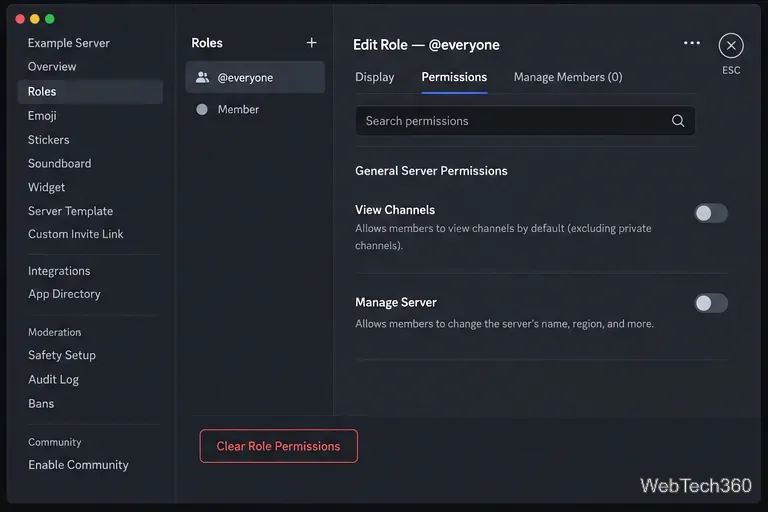
Control who can join, see channels, and find your Discord server with role permissions, invite links, and Discovery settings.
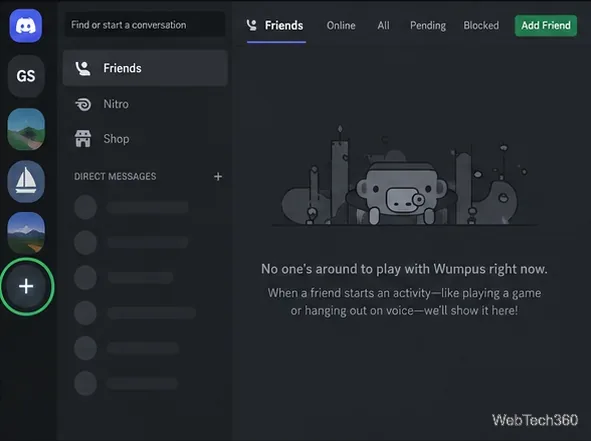
Create a Discord server in the desktop app or browser, organize channels, set permissions and safety tools, then share an invite that fits your group.
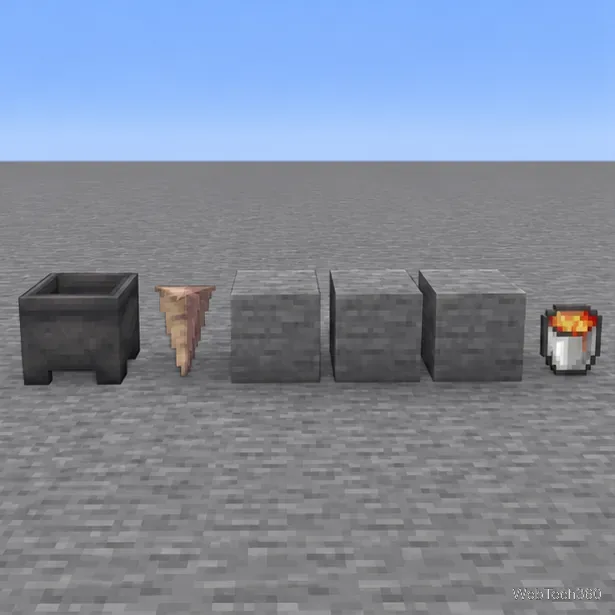
Build a renewable lava farm with pointed dripstone, one lava source, and a cauldron. Follow the setup, collection steps, and fixes for a cauldron that will not fill.
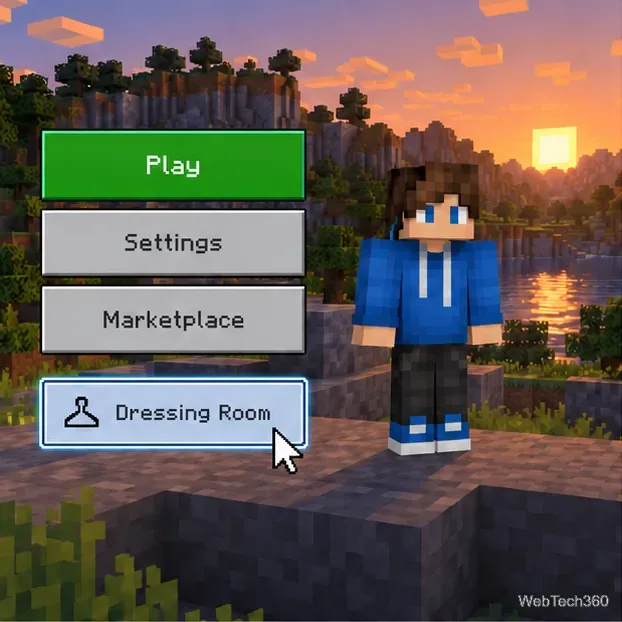
Fix a Minecraft skin that will not load by checking Bedrock Dressing Room, your Microsoft account, Marketplace downloads, updates, and Java skin settings.
Minecraft language options differ between Java and Bedrock. See common languages, why old counts are unreliable, and where to check your edition.
Plan a practical Minecraft survival base with the essentials for safety, food, storage, and crafting, plus useful upgrades to add as your world grows.
Update Minecraft on Nintendo Switch from the HOME Menu, enable automatic updates, and troubleshoot when the console cannot find or install one.
Learn the official ways to get Minecoins in Minecraft, redeem a prepaid code, spend coins on Marketplace content, and fix a missing balance.
Learn how to add Jira users to team-managed and company-managed projects, assign the right role, and share a board’s saved filter safely.