Is your Windows 11 PC feeling sluggish? Wondering why apps lag or your system overheats during simple tasks? You're not alone—many users face these frustrations. But here's the good news: the built-in Windows 11 Performance Monitor tool is your secret weapon to diagnose and fix performance issues. This powerful utility lets you track CPU, memory, disk, and network usage in real-time, helping you pinpoint bottlenecks and optimize your setup for smoother sailing.
In this guide, we'll dive straight into how to use Windows 11 Performance Monitor with clear, actionable steps. Whether you're a tech newbie or a seasoned user, you'll walk away feeling empowered to supercharge your machine. Let's get started—no fluff, just results! 😊
What is Windows 11 Performance Monitor?
The Performance Monitor in Windows 11 is a robust diagnostic tool that replaced older utilities like Task Manager's basic views. It provides detailed graphs, counters, and reports on your system's vital signs. Think of it as a doctor's check-up for your PC: it reveals if your CPU is overworked, memory is maxed out, or your hard drive is choking on data.
Why use it? In the latest Windows 11 updates, Performance Monitor has been enhanced for better integration with modern hardware, including support for hybrid CPU architectures and improved logging for remote diagnostics. It's free, always available, and can prevent crashes before they happen. Ready to unleash it? Let's launch it first.
How to Launch Performance Monitor in Windows 11
Getting to Windows 11 Performance Monitor is a breeze. Follow these simple steps:
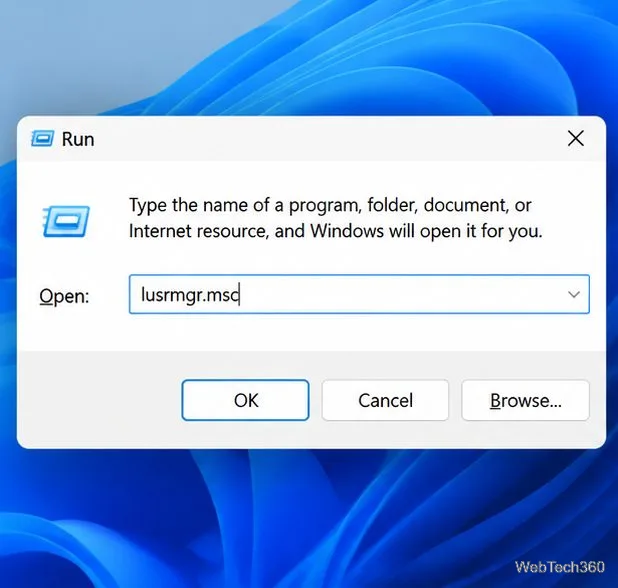
- 👆 Press the Windows key + R to open the Run dialog.
- Type
perfmon and hit Enter. Boom—it's open!
- Alternatively, search for "Performance Monitor" in the Start menu for quick access.
Upon launch, you'll see the Overview screen with real-time graphs for CPU, disk, network, and memory. It's intuitive, but to really harness its power, we need to customize it. Don't worry; the interface is user-friendly, even if it looks a bit technical at first glance.
Step-by-Step: How to Use Windows 11 Performance Monitor Effectively
Now, let's break down how to use Performance Monitor for real-world scenarios. We'll focus on monitoring key resources and creating custom views to keep your PC humming efficiently.
1. Monitoring Real-Time Performance
Start with the basics: real-time tracking. In the Performance Monitor window:
- Click on the green "Add" button (+) in the toolbar to select counters.
- Choose categories like Processor (% Processor Time) for CPU load or Memory (Available Bytes) for RAM usage.
- Hit Add >> to include them, then OK. Watch the graph update live!
This is perfect for spotting spikes—say, when a game hogs your CPU. Pro tip: If usage hits 100% consistently, it's time to close background apps or upgrade hardware. You'll feel that instant relief as your system breathes easier. 🌟
2. Creating Custom Data Collector Sets
For deeper insights, use Data Collector Sets. These let you log performance over time, ideal for troubleshooting intermittent issues.
- Expand "Data Collector Sets" in the left pane.
- Right-click "User Defined" > New > Data Collector Set.
- Name it (e.g., "Daily CPU Log"), select "Create manually," and choose Performance Counter.
- Add counters like PhysicalDisk (Avg. Disk Queue Length) to monitor storage bottlenecks.
- Set a sample interval (e.g., every 15 seconds) and run it for hours or days.
After collecting data, right-click the set and view the report. It's like having a performance diary—revealing patterns that Task Manager misses. Imagine identifying why your laptop slows down after hours of use; now you can fix it proactively!
![Custom Data Collector Set in Windows 11 Performance Monitor]()
3. Analyzing Reports and Alerts
Once data is collected, switch to the Reports section. Here's a quick table of common counters and what they mean:
| Counter |
What It Measures |
Ideal Range |
Action if High |
| Processor (% Processor Time) |
CPU usage percentage |
Under 80% |
Close apps or check for malware |
| Memory (Committed Bytes) |
RAM commitment |
Less than total RAM |
Add more RAM or optimize apps |
| PhysicalDisk (% Disk Time) |
Disk activity |
Under 90% |
Defrag or upgrade to SSD |
| Network Interface (Bytes Total/sec) |
Network throughput |
Varies by connection |
Check for bandwidth hogs |
Use these insights to set alerts: Right-click a counter > Properties > Alerts tab. Get notified when CPU exceeds 90%—no more surprise slowdowns! This feature shines in Windows 11's latest builds, with better email integration for remote monitoring.
4. Advanced Tips for Power Users
Want to level up? Integrate Performance Monitor with other tools:
- Export logs to CSV for Excel analysis—great for trend spotting over weeks.
- Combine with Resource Monitor (search for "resmon") for process-level details.
- For gamers, track GPU via third-party counters if needed, though native support covers most bases.
One user favorite: Monitoring during updates. Windows 11's performance logging helps ensure patches don't degrade speed. Feeling stuck? The tool's help menu has built-in guides, or check Microsoft's official docs for more.
Microsoft Performance Monitor Documentation offers deeper dives if you're hungry for more.
![Performance Report Analysis in Windows 11]()
Common Mistakes to Avoid When Using Performance Monitor
Even pros slip up. Here's how to sidestep pitfalls:
- ❌ Overloading with too many counters—start with 3-5 for clarity.
- ❌ Ignoring baselines—run a "normal" log first to compare against issues.
- ❌ Forgetting to stop collectors—they can eat disk space if left running.
By avoiding these, you'll get accurate data without frustration. Remember, Windows 11 Performance Monitor is about empowerment, not overwhelm.
Boost Your PC's Speed: Quick Wins from Performance Insights
Armed with Performance Monitor, apply these tweaks:
- High CPU? Disable startup programs via Task Manager.
- Low memory? Clear virtual memory pagefile or add RAM.
- Slow disk? Switch to an SSD if you're on HDD—night-and-day difference!
Users report up to 30% speed gains after tuning based on these logs. Your PC will thank you with faster boots and lag-free multitasking. 🎉
Final Thoughts: Take Control of Your Windows 11 Experience
Mastering how to use Windows 11 Performance Monitor transforms you from a reactive user to a proactive optimizer. It's not just a tool—it's your gateway to a faster, more reliable PC. Dive in today, experiment with counters, and watch your system thrive. Got questions or a performance puzzle? Drop a comment below—we're all in this tech journey together!
Stay tuned for more Windows 11 tips to keep your setup at peak performance. Your smoother computing adventure starts now! 🚀