Set Up VMware Workstation Pro on Windows Server
Install VMware Workstation Pro on a compatible Windows Server host, from checking support and downloading the right build to creating your first VM.
Imagine having a one-stop hub for all your essential device controls right at your fingertips—no digging through menus or searching for settings. That's the magic of the Windows 11 Quick Settings menu. Designed for speed and simplicity, this built-in tool lets you toggle Wi-Fi, adjust volume, manage notifications, and more with just a click. Whether you're a busy professional juggling tasks or a casual user wanting smoother navigation, mastering the Quick Settings menu will transform your daily workflow. Let's dive in and explore how to access, use, and customize it for maximum efficiency. You'll be amazed at how much time you'll save!
The Windows 11 Quick Settings menu is a sleek, customizable panel that appears when you need quick access to common system toggles. It's an evolution of the Action Center from previous Windows versions, but with a modern twist—think clean icons, intuitive layout, and easy personalization. No more frustration from hidden options; everything you need is front and center.
Why does it matter? In a fast-paced world, small conveniences add up. Adjusting your screen brightness during a sunny commute or switching Bluetooth for headphones shouldn't take minutes. With Quick Settings, it's seconds. Plus, it's accessible on desktops, laptops, and even tablets running Windows 11, making it versatile for any setup.
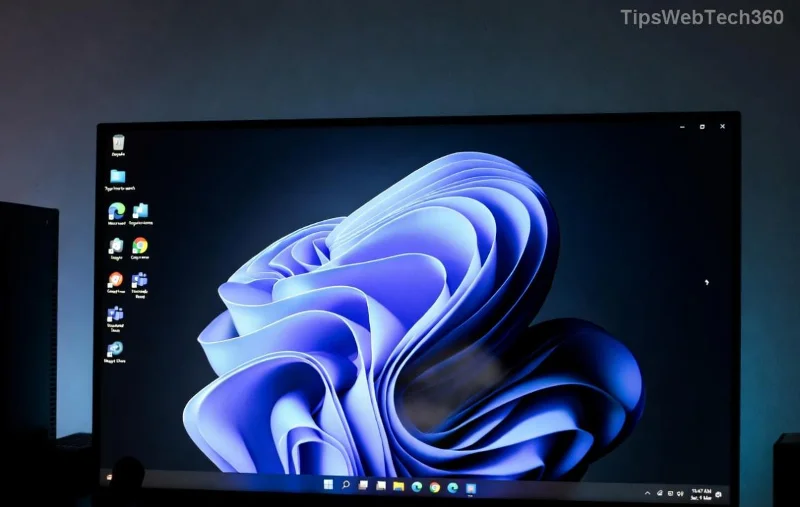
Getting to the Quick Settings menu is as easy as 1-2-3. Follow these simple steps to open it anytime:
Pro tip: If the icons aren't visible, ensure your taskbar is unlocked. Right-click the taskbar, select Taskbar settings, and toggle off any alignments that hide them. Now you're set to explore!
The Windows 11 Quick Settings isn't just a toggle board; it's packed with features to enhance your experience. Here's a breakdown of the essentials:
| Feature | What It Does | Why You'll Love It |
|---|---|---|
| Wi-Fi and Network | Toggles wireless connections, shows available networks, and manages VPNs. | Stay connected effortlessly—switch networks without opening apps. Ideal for travelers! |
| Bluetooth | Pairs and connects devices like headphones, mice, or keyboards. | No more fumbling in Settings; pair on the fly for seamless audio or input. |
| Brightness and Color | Adjusts screen brightness and enables night light for eye comfort. | Protect your eyes during late-night sessions—feels like a personal assistant. |
| Volume Mixer | Controls overall and app-specific audio levels. | Balance game sounds with music without interrupting your flow. 🎵 |
| Battery Saver | Monitors power and activates saver mode to extend battery life. | Keep your laptop running longer—great for unplugged productivity. |
| Focus Assist | Silences notifications to help you concentrate. | Achieve deep work without distractions; toggle back when ready. 😊 |
These aren't exhaustive—Windows 11 updates regularly add more, like quick links to projectors or airplane mode. The beauty? It's all visual and intuitive, reducing the learning curve to zero.
One size doesn't fit all, and Microsoft knows it. The Quick Settings menu shines with customization options, letting you tailor it to your needs. Here's how to make it yours:
For advanced tweaks, head to Settings > System > Notifications to fine-tune what appears. Imagine a menu optimized for gamers (with volume and display priority) or remote workers (focusing on network and focus modes). This personalization keeps things fresh and relevant, ensuring you return to it often.
To truly elevate your Windows 11 game, try these insider tips:
Feeling stuck? For the latest on Windows 11 features, check Microsoft's official support page: Microsoft Support. It's a reliable hub for updates and fixes.
By now, you see the Quick Settings menu isn't just a feature—it's a productivity powerhouse. It cuts through clutter, saves time, and adapts to you, making Windows 11 feel more intuitive than ever. Start small: Open it today, tweak one toggle, and watch how it streamlines your day. As you experiment, you'll uncover even more ways to personalize your setup, keeping your workflow smooth and enjoyable.
Ready to dive deeper? Explore related guides on snapping windows or optimizing taskbar for even more Windows 11 mastery. Your efficient future self will thank you! 🚀
Install VMware Workstation Pro on a compatible Windows Server host, from checking support and downloading the right build to creating your first VM.
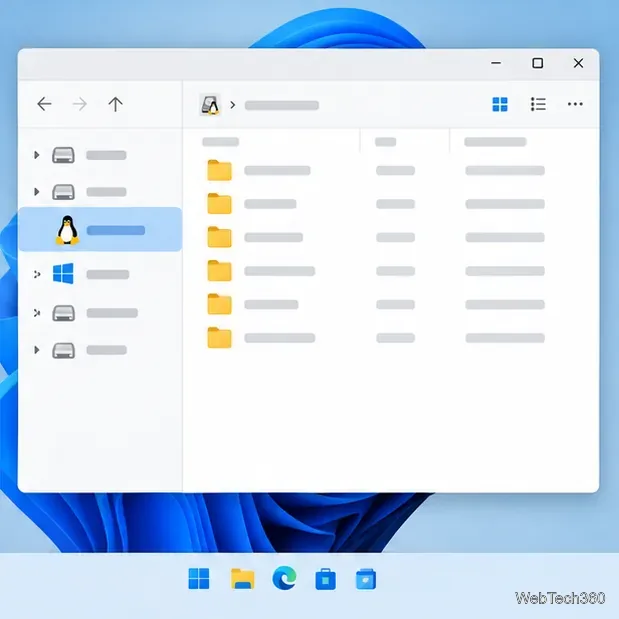
Browse and copy Ext2, Ext3, or Ext4 files on Windows with a read-only workflow. See what Linux Reader’s free edition supports and when WSL fits.
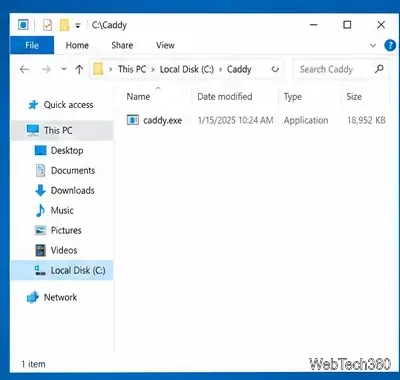
Install Caddy’s native Windows binary, serve a test site, enable automatic HTTPS for a domain, and run Caddy as a Windows Server service.
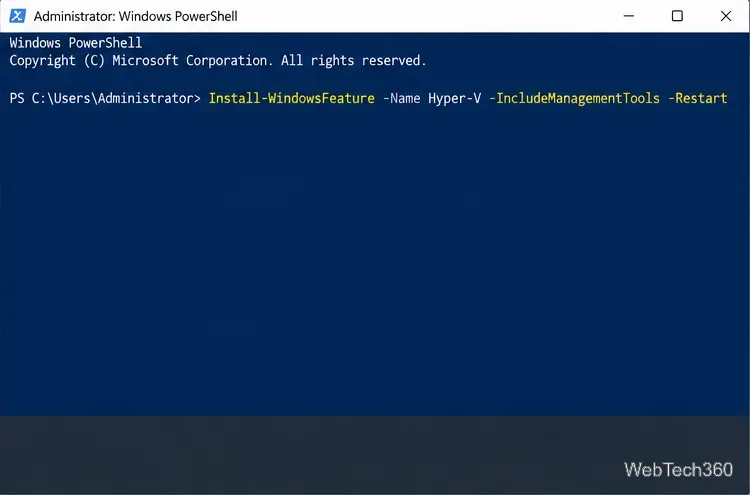
Run Linux Docker containers alongside Windows Server by creating an Ubuntu Hyper-V VM, installing Docker Engine, and publishing a test service safely.
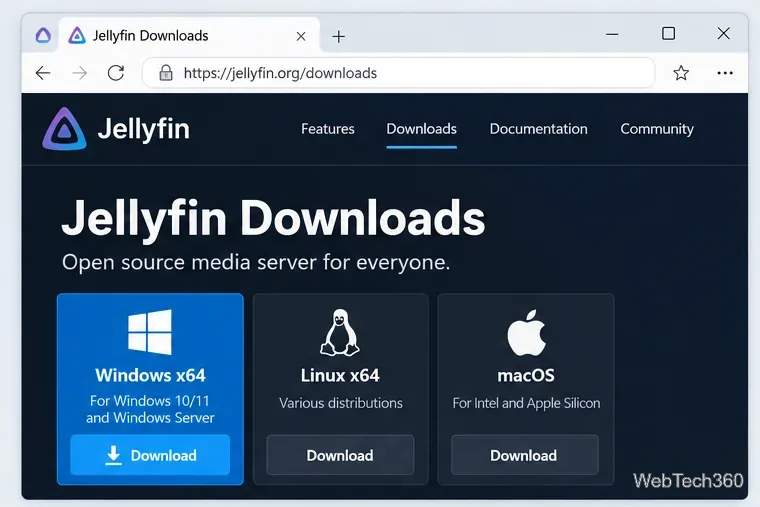
Install Jellyfin as a Windows service, grant it limited access to your media, finish setup, and connect clients on your LAN or through a safer remote connection.
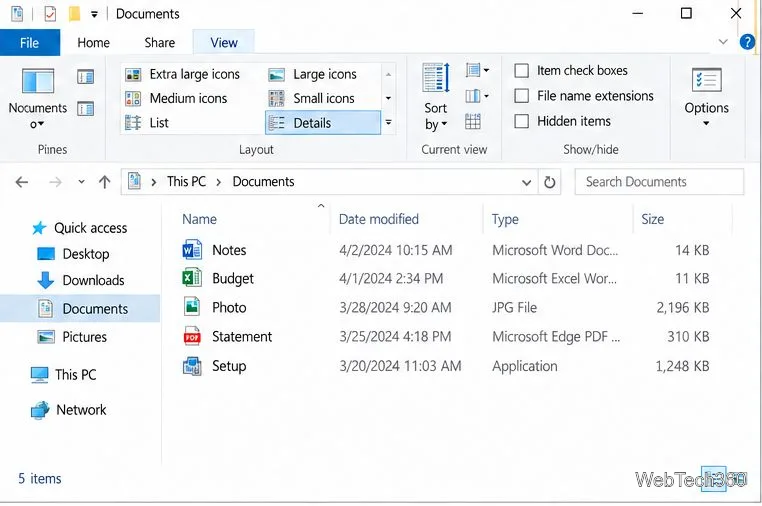
Turn on file name extensions in Windows 10 with File Explorer or Folder Options. Learn what endings like .pdf and .exe reveal and why renaming one does not convert a file.
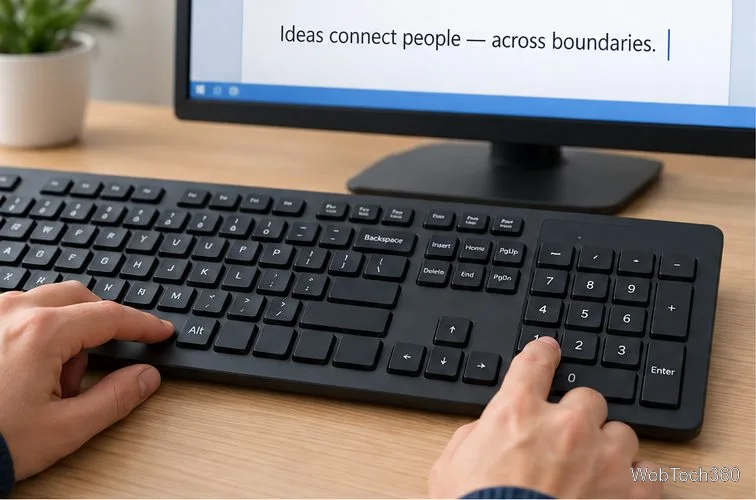
Learn five reliable ways to type an em dash, from Windows Alt codes and Mac keys to the symbol menus in Microsoft Word and Google Docs.
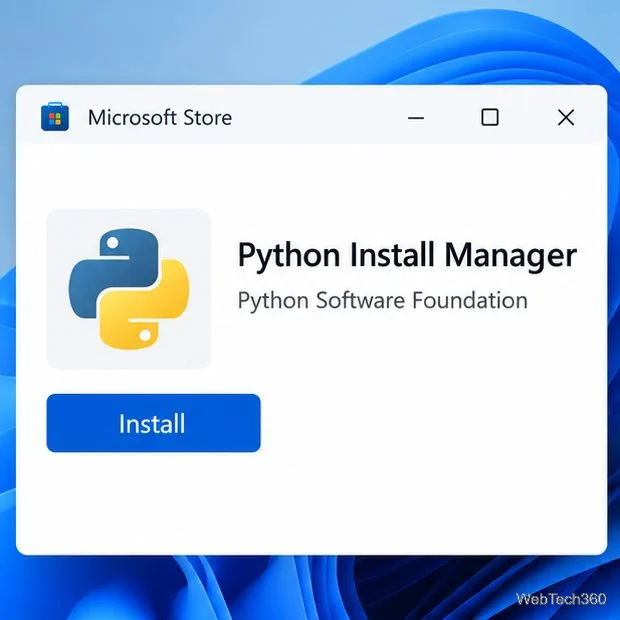
Install Python with the official Windows install manager, verify your interpreter, repair pip with ensurepip, and install packages in a project-specific virtual environment.
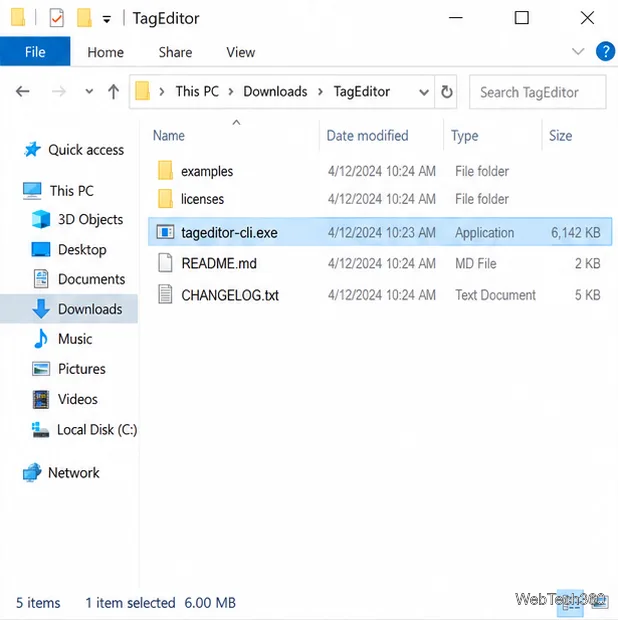
Learn how to embed a custom video thumbnail image on Windows 10 with Tag Editor, verify the saved cover, and understand when File Explorer may not display it.
Install a Windows Server container runtime, choose a compatible Windows image, and use Docker commands to start, inspect, and remove containers.