How to Fix Snipping Tool Issues on Windows 11
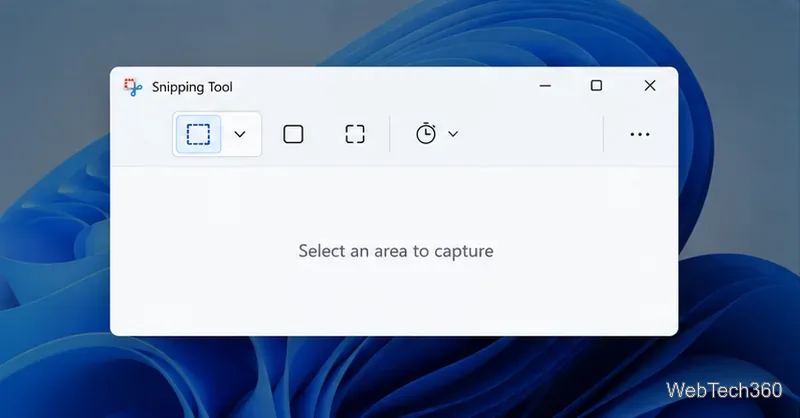
Fix common Snipping Tool problems in Windows 11 with steps to test the shortcut, update or repair the app, reinstall it, and restore missing capture notifications.
Ever felt your Windows 11 PC slowing down like it's running through molasses? 😩 You're not alone. The good news? Windows 11 Resource Monitor is your secret weapon to diagnose and fix performance issues on the spot. This built-in tool dives deep into your system's vitals—CPU, memory, disk, and network—giving you pro-level insights without needing fancy third-party software. In this guide, we'll walk you through how to use Windows 11 Resource Monitor like a true expert, with practical steps to keep your machine humming smoothly. Ready to take control? Let's dive in!
Resource Monitor in Windows 11 is a powerful, real-time diagnostic tool that tracks how your system's resources are being used. It's like having a dashboard for your PC's engine, showing exactly what's eating up power and why. Unlike Task Manager's high-level overview, Resource Monitor provides granular details, helping you pinpoint resource hogs and optimize performance.
Why master it? In today's multitasking world, apps and background processes can quietly drain your resources, leading to lag, crashes, or overheating. By using Resource Monitor Windows 11, you'll identify culprits, free up memory, and extend your hardware's life. Plus, it's free and always updated with the latest Windows features—no downloads required. 🚀
Getting started is a breeze. Here's how to launch Windows 11 Resource Monitor in seconds:
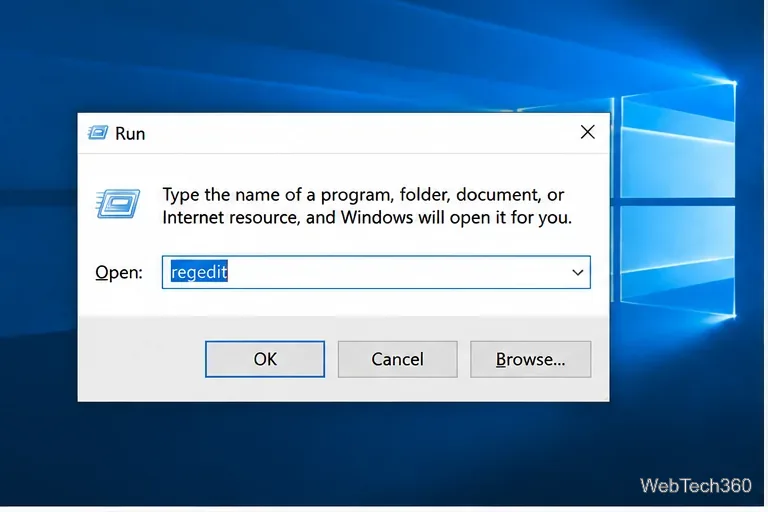
resmon, and press Enter. Pro tip for power users.Once open, you'll see four tabs: CPU, Memory, Disk, and Network. Each one is a goldmine of info. We'll break them down next, with tips to make you a Resource Monitor wizard.

The CPU tab is your first stop for spotting apps that are overworking your processor. High CPU usage often causes slowdowns during gaming, video editing, or even browsing.
Key Features to Use:
Pro Tip: Filter by process name or image to zero in on specifics. For example, if antivirus scans are spiking your CPU, schedule them during off-hours. This alone can boost responsiveness by 20-30%—feel the difference! 💪
Imagine troubleshooting a laggy game: Open the CPU tab, spot the culprit (maybe a background update), and suspend it. Your framerate thanks you.
Running low on RAM? The Memory tab in Windows 11 Resource Monitor reveals exactly how your physical and virtual memory is allocated. Out-of-memory errors? This is where you fix them.
Essential Breakdown:
| Column | What It Shows | Pro Action |
|---|---|---|
| Processes | Working Set (RAM used) and Private bytes | Sort by Working Set to kill memory leaks—e.g., close Chrome tabs eating 2GB each. |
| Physical Memory | Total, used, and available RAM | Monitor for low availability; upgrade if consistently under 20% free. |
| Hardware Reserved | Memory blocked by hardware | Check for conflicts; update drivers via Device Manager. |
Standout Feature: The Standby List shows cached data ready to purge. Right-click to empty it and reclaim space instantly. Users report smoother multitasking after this tweak—your PC will feel reborn! 🌟
Slow file access or endless loading screens? The Disk tab tracks read/write operations, helping you optimize storage like a pro.
How to Leverage It:
Expert Hack: Use the search bar to filter for specific drives (e.g., C:). If disk usage hits 100% often, enable Storage Sense in Windows Settings to auto-clean junk. This keeps your system snappy and storage clutter-free. No more waiting around! ⏱️
The Network tab is a lifesaver for diagnosing slow internet or sneaky data usage. In Windows 11, it integrates seamlessly with modern networking features.
Core Tools:
Pro Insight: Right-click connections to end them safely. For deeper dives, combine with Windows Firewall settings. This setup has helped countless users cut unnecessary data usage by half, saving on bills and boosting speeds. High-five! 👏
Now that you've got the basics, level up with these insider strategies:
One user shared: "Switching to Resource Monitor fixed my eternal lag—it's like my PC got a turbo boost!" You can achieve that too.
Even pros slip up. Watch out for:
By steering clear, you'll use Resource Monitor effectively every time.
Mastering Windows 11 Resource Monitor isn't just about fixing problems—it's about proactive control, ensuring your PC runs at peak efficiency. From taming CPU spikes to optimizing disk I/O, these tips empower you to troubleshoot like a pro. Start experimenting today, and watch your system transform. Got a specific issue? Drop it in the comments—we're here to help! Your smoother, faster Windows 11 awaits. 🎉
Fix common Snipping Tool problems in Windows 11 with steps to test the shortcut, update or repair the app, reinstall it, and restore missing capture notifications.
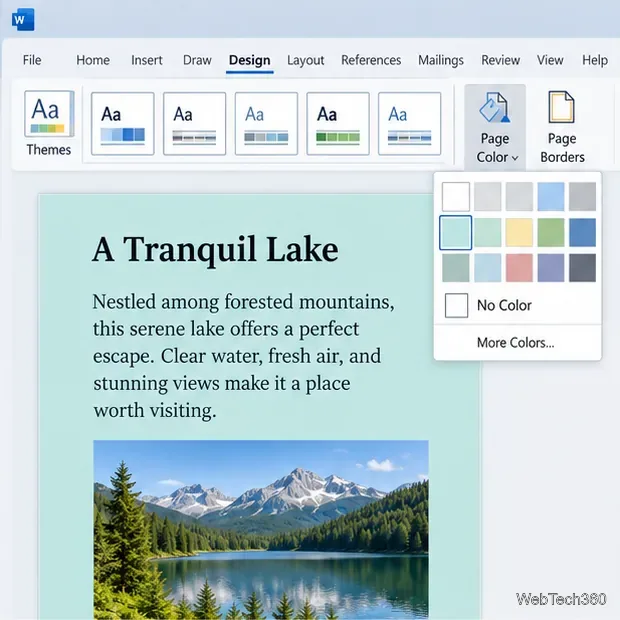
Choose a color-capable printer, enable Word’s background-print setting, and check the preview so page colors, images, and graphics print as expected.
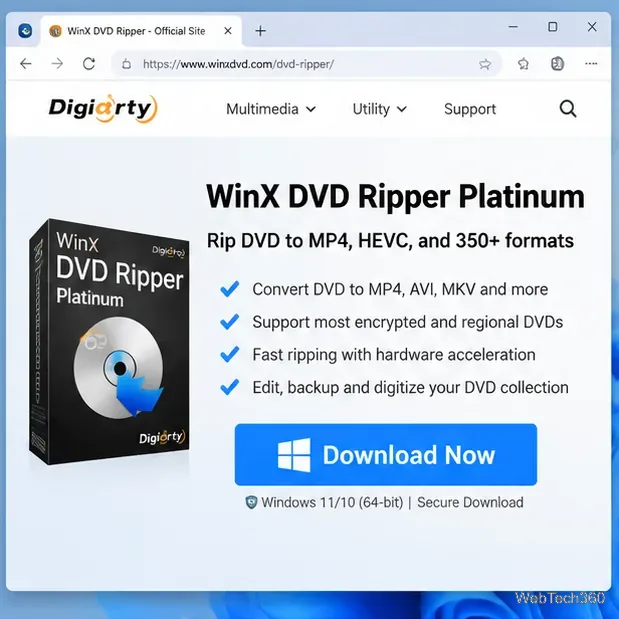
Learn how to use WinX DVD Ripper to convert a DVD you’re entitled to copy into an MP4 file, choose the right title and destination, and troubleshoot playback problems on Windows 10 or 11.
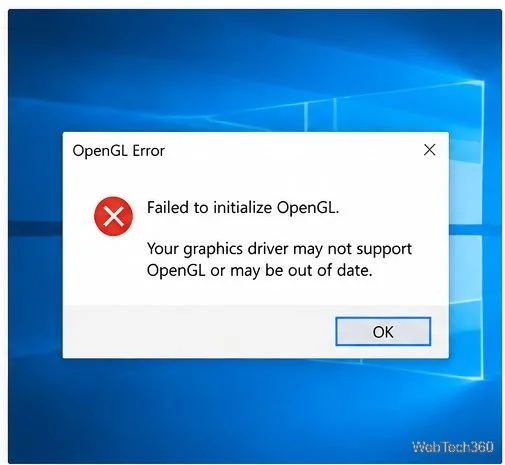
Troubleshoot OpenGL errors in Windows 10 by checking graphics drivers, repairing system files, reinstalling the affected app, and reviewing graphics settings.
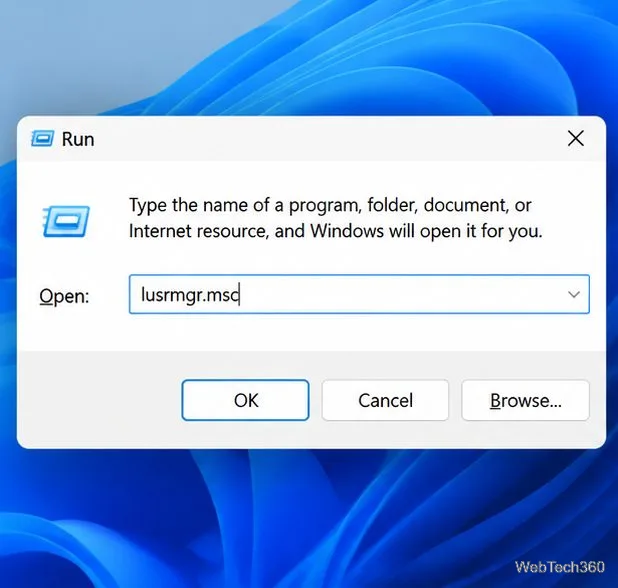
Learn when to use net user, lusrmgr.msc, and net localgroup to view, create, disable, and manage local Windows accounts safely.
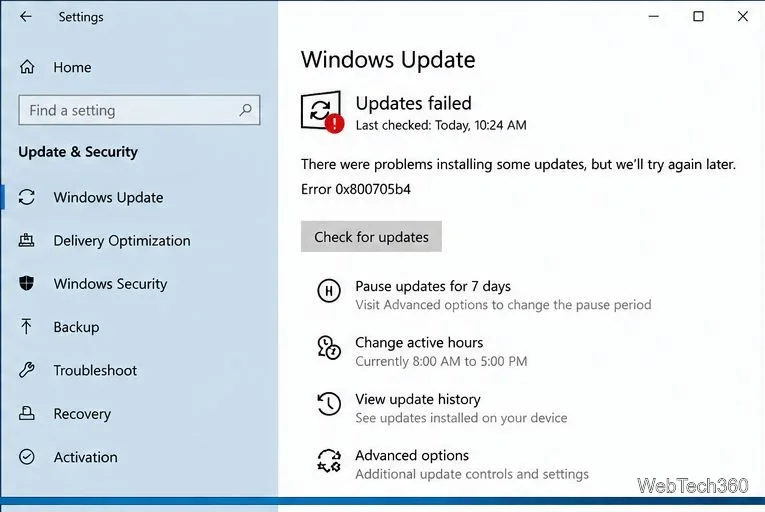
Resolve Windows Update error 0x800705b4 with practical checks for connectivity, update services, cached files, and damaged Windows system components.
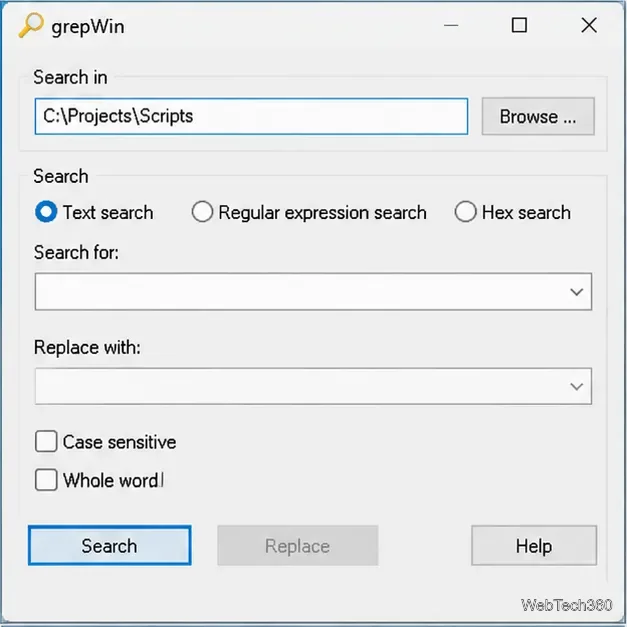
Find words or phrases across multiple text files on Windows 10 with grepWin. Learn how to choose folders, filter file types, include subfolders, and read matches safely.
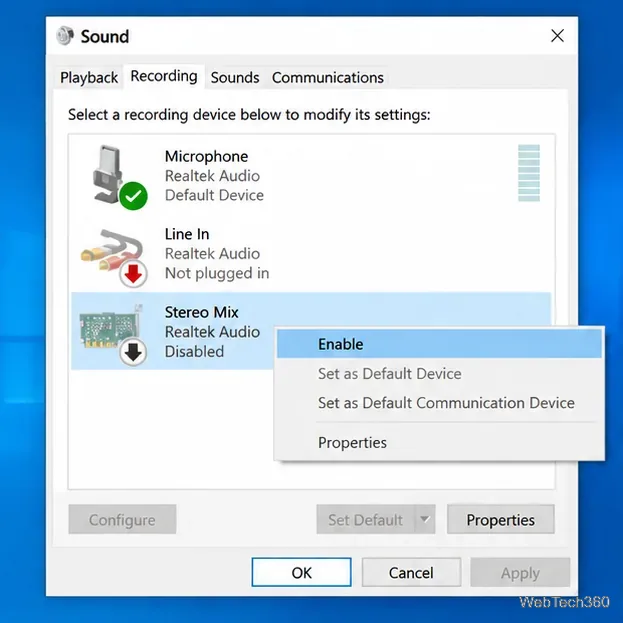
Capture your PC’s playback with FFmpeg on Windows 10. Enable Stereo Mix or use a loopback device, find its DirectShow name, and save clean audio.
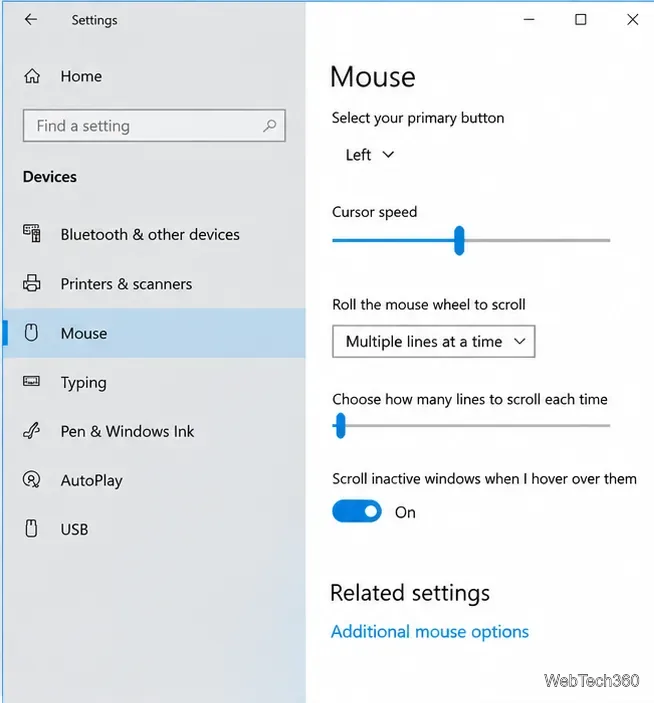
Learn how to adjust Windows 10 mouse pointer speed, change pointer precision, and set hardware DPI with a supported gaming mouse or manufacturer app.
Learn what the legacy Edge blocker registry setting does, how to set it safely, and why it will not stop updates for Microsoft Edge already installed.