How to Fix Snipping Tool Issues on Windows 11
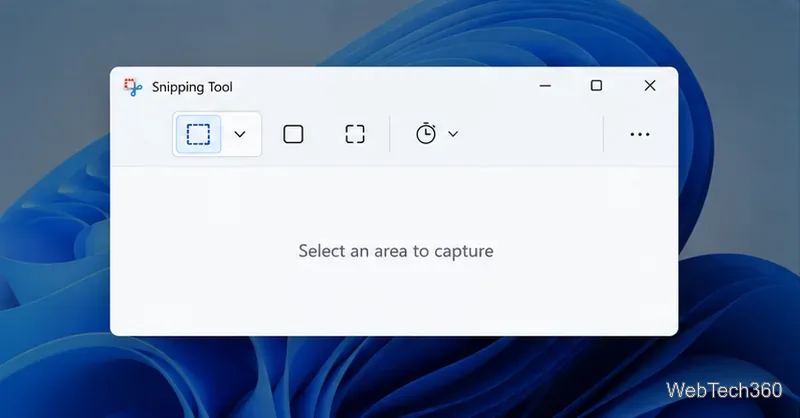
Fix common Snipping Tool problems in Windows 11 with steps to test the shortcut, update or repair the app, reinstall it, and restore missing capture notifications.
Imagine blasting your favorite playlist while keeping game audio crisp and notifications subtle—without constant tweaks. That's the magic of the Windows 11 Sound Mixer per app. This built-in feature lets you fine-tune audio for each application, transforming chaotic soundscapes into harmonious experiences. Whether you're a gamer, podcaster, or multitasker, mastering this tool will elevate your Windows setup. Let's dive in and unlock its potential step by step.
The Windows 11 Sound Mixer per app is a powerful audio management system that allows individual volume adjustments for running applications. Unlike the global volume slider, it gives you granular control over sounds from browsers, media players, calls, and more. Introduced as a core part of Windows' audio enhancements, it ensures no app drowns out another, perfect for immersive workflows.
Why does this matter? In a world of constant digital noise, personalized audio prevents frustration—like a booming YouTube video interrupting your Zoom meeting. It's intuitive, accessible via quick settings, and supports spatial audio for even richer control. Ready to get started? Follow these straightforward steps to access and use it.
Accessing the Windows 11 Sound Mixer is a breeze, designed for seamless integration into your daily routine. Here's how:
Pro tip: If the speaker icon is hidden, click the up arrow in the taskbar to reveal it. Once open, you'll see sliders for each app, like Spotify or Discord, alongside the master volume. It's that simple—empowering you to curate your audio environment in seconds.

Now that you're in, let's tweak those levels. The per app volume control shines here, letting you balance sounds precisely.
For visual learners, picture this: Your gaming app at 80% volume, browser at 50%, and email notifications muted. It creates a tailored soundstage that feels professional yet effortless. Experiment during a quiet evening session to find your sweet spot—your ears will thank you! 😊
The Windows 11 audio mixer isn't just about sliders; it integrates advanced options for audiophiles. Enable spatial sound in Settings > System > Sound for immersive 3D audio per app. This enhances movies on Netflix or directions in navigation apps, making everything feel lifelike.
Another gem: Balance left-right audio channels if an app skews unevenly. In the mixer, right-click an app and select Spatial sound format to toggle options like Windows Sonic or Dolby Atmos (if supported by your hardware).
Don't overlook enhancements. For apps like voice recorders, access Sound Control Panel (search for it in the Start menu) to apply equalizers or noise suppression. These tweaks ensure crystal-clear calls and vibrant media playback, keeping you engaged without interruptions.
Even the best tools hit snags. If your per app sound control isn't responding, fear not—these fixes are quick:
| Issue | Solution | Why It Works |
|---|---|---|
| App not listed in mixer | Launch the app first, then refresh the mixer (close and reopen). | Windows detects active processes only. |
| Volume changes not applying | Update audio drivers via Device Manager (right-click Start > Device Manager > Sound devices > Update driver). | Outdated drivers cause glitches in Windows 11's audio stack. |
| Mixer missing from menu | Enable it in Settings > Personalization > Taskbar > Turn system icons on/off > Volume. | Custom taskbars can hide icons. |
| Audio distortion | Disable exclusive mode in app settings or Sound Control Panel. | Exclusive mode overrides system mixer for high-bitrate apps. |
If issues persist, run the built-in troubleshooter: Settings > System > Troubleshoot > Other troubleshooters > Playing Audio. It's a reliable first step, often resolving conflicts with third-party software. Remember, keeping Windows updated ensures the latest audio optimizations—your setup stays smooth and frustration-free.
To truly master Windows 11 Sound Mixer per app, layer in these strategies:
These enhancements turn basic audio into a personalized symphony. As you experiment, you'll notice how small changes amplify productivity and enjoyment—it's like upgrading your ears to premium mode.
Embracing the Windows 11 per app volume control isn't just technical—it's liberating. No more fumbling with hardware knobs or pausing to adjust settings. It fosters focus, boosts creativity, and makes every session more enjoyable. Whether juggling virtual meetings or unwinding with podcasts, this feature adapts to you.
Stick with it, and you'll wonder how you managed without. For more Windows tweaks, explore spatial audio setups next—your audio journey is just beginning. Dive deeper, and let sound elevate your world! 👏
For official guidance, check Microsoft's support docs: Fix sound problems in Windows.
Fix common Snipping Tool problems in Windows 11 with steps to test the shortcut, update or repair the app, reinstall it, and restore missing capture notifications.
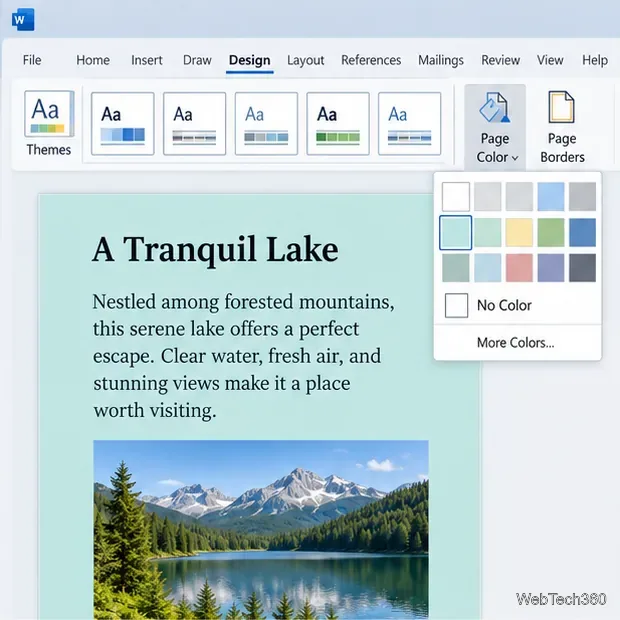
Choose a color-capable printer, enable Word’s background-print setting, and check the preview so page colors, images, and graphics print as expected.
Learn how to use WinX DVD Ripper to convert a DVD you’re entitled to copy into an MP4 file, choose the right title and destination, and troubleshoot playback problems on Windows 10 or 11.
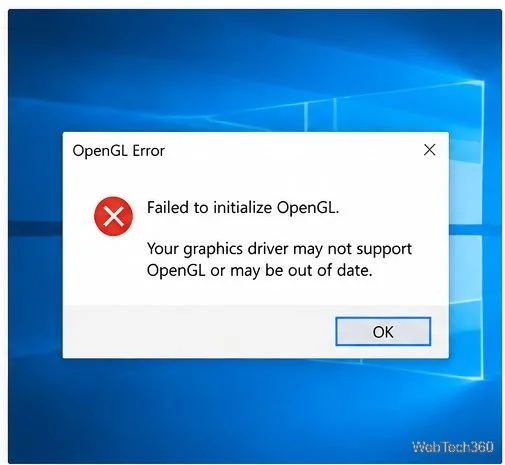
Troubleshoot OpenGL errors in Windows 10 by checking graphics drivers, repairing system files, reinstalling the affected app, and reviewing graphics settings.
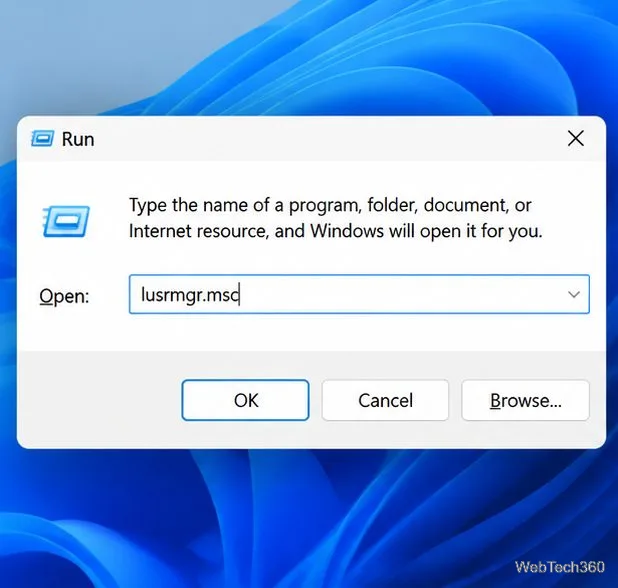
Learn when to use net user, lusrmgr.msc, and net localgroup to view, create, disable, and manage local Windows accounts safely.
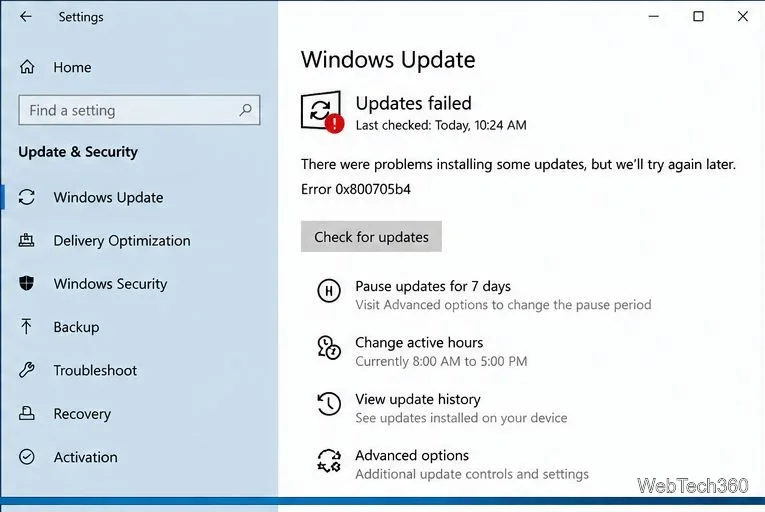
Resolve Windows Update error 0x800705b4 with practical checks for connectivity, update services, cached files, and damaged Windows system components.
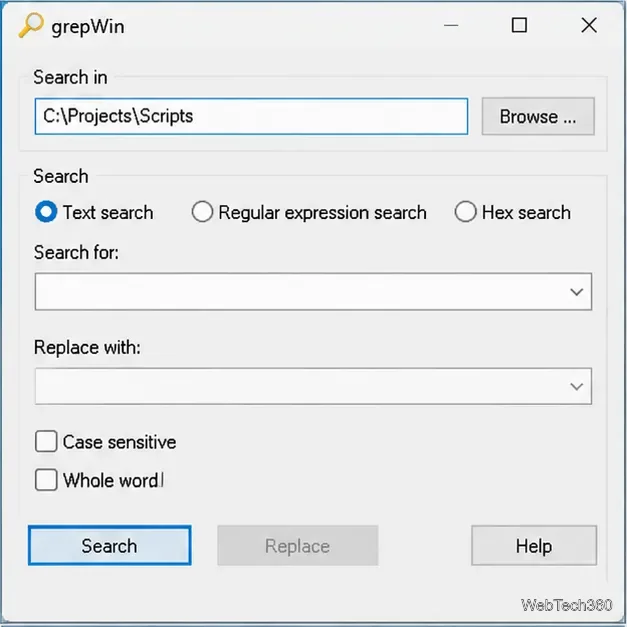
Find words or phrases across multiple text files on Windows 10 with grepWin. Learn how to choose folders, filter file types, include subfolders, and read matches safely.
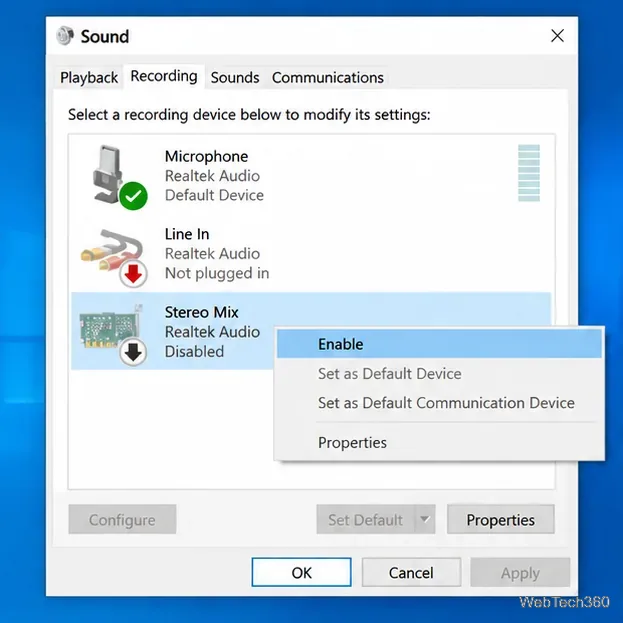
Capture your PC’s playback with FFmpeg on Windows 10. Enable Stereo Mix or use a loopback device, find its DirectShow name, and save clean audio.
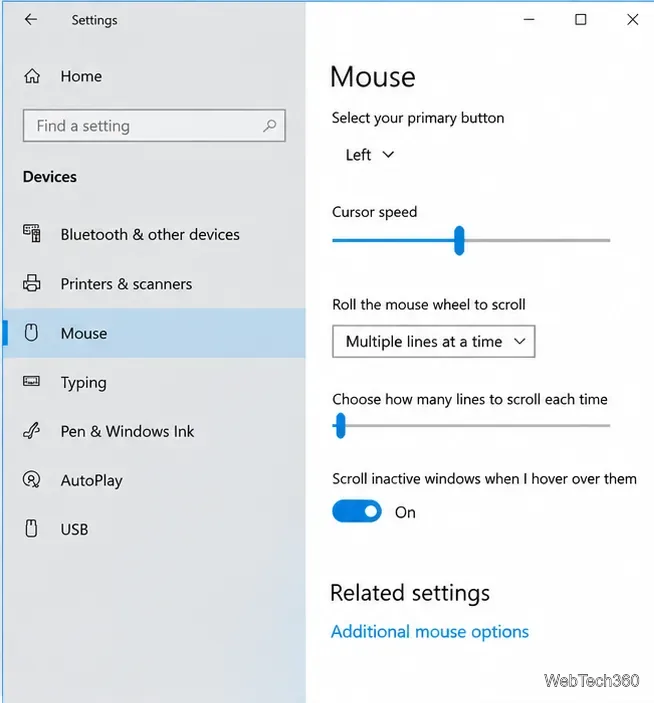
Learn how to adjust Windows 10 mouse pointer speed, change pointer precision, and set hardware DPI with a supported gaming mouse or manufacturer app.
Learn what the legacy Edge blocker registry setting does, how to set it safely, and why it will not stop updates for Microsoft Edge already installed.