Imagine your Windows 11 PC running smoother than ever, free from nagging slowdowns and startup hiccups. That's the power of Windows 11 System Configuration, commonly known as Msconfig. This built-in tool is your secret weapon for fine-tuning system settings, managing startup programs, and troubleshooting boot issues. Whether you're a tech newbie or a seasoned user, mastering how to use Msconfig can transform your computing experience. Let's dive in and explore how to harness this tool for optimal performance—step by step, with tips that keep things simple and effective.
What is Msconfig and Why Should You Care?
Msconfig is a powerful utility in Windows 11 that lets you control how your system starts up, which services run in the background, and more. It's been a staple since the early days of Windows, but in the latest updates, it's more streamlined than ever. Think of it as your PC's control center—helping you disable unnecessary startup items to speed up boot times or switch to safe mode for repairs.
Why bother? Slow startups, bloated resource usage, and mysterious crashes can plague any system. By using Windows 11 System Configuration, you'll reclaim control, making your device faster and more reliable. Plus, it's free and built right into your OS—no downloads needed. Ready to get started? Follow these steps to access and use it like a pro.
How to Access Msconfig in Windows 11: Quick and Easy Steps
Getting to Msconfig is a breeze. Here's how:
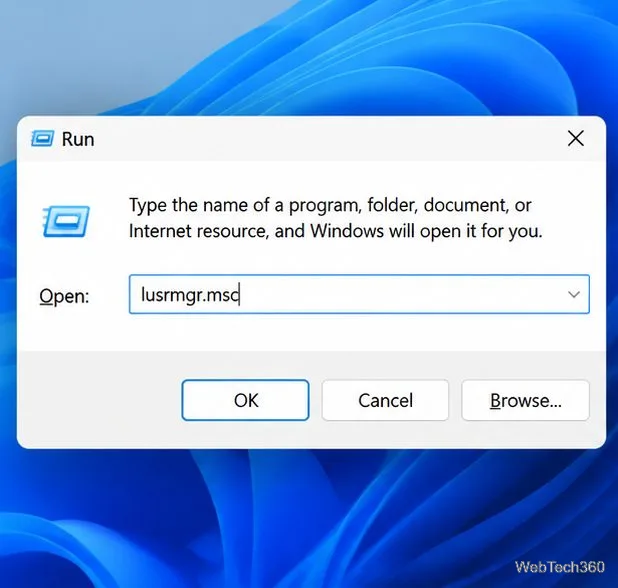
- 👆 Press the Windows key + R to open the Run dialog box.
- ✏️ Type
msconfig and hit Enter. Boom—you're in!
- Alternatively, search for "System Configuration" in the Start menu for a more visual approach.
Once open, you'll see tabs like General, Boot, Services, and Startup. Each one unlocks different customization options. Don't worry if it looks intimidating at first; we'll break it down. Pro tip: Always create a system restore point before making changes (search for "Create a restore point" in Windows Search) to safeguard your setup.
Optimizing Boot Options with Msconfig: Speed Up Your Startup
One of the best ways to use Msconfig is tweaking boot settings. Windows 11 boots faster out of the box, but you can make it even snappier by adjusting these.
Switch to the Boot tab:
- Safe Boot: Select this for minimal drivers and services—ideal for troubleshooting. Choose "Minimal" for basic safe mode or "Network" if you need internet access.
- No GUI Boot: Uncheck this to skip the Windows logo splash screen for a quicker start.
- Boot Log: Enable to log boot details, helping diagnose issues.
- Timeout: If you have multiple OS installs, set a shorter delay for faster selection.
For advanced users, click Advanced options to limit processor usage or tweak memory settings. But remember: Stick to defaults unless you're sure—over-tweaking can cause instability. After changes, restart to apply. You'll notice your PC firing up in seconds, leaving you with that satisfying "whoosh" feeling.
Managing Startup and Services: Declutter for Better Performance
Startup programs are often the culprits behind sluggish boots. In Windows 11 System Configuration, the Startup tab links directly to Task Manager, but you can also use the Services tab for deeper control.
Here's a handy table to compare:
| Tab |
What It Does |
Best Use Case |
| Startup |
Lists and disables apps that launch at boot |
Free up RAM by stopping bloatware like old antivirus remnants |
| Services |
Hides and disables system services |
Turn off non-essential ones (e.g., print spooler if you don't print) for efficiency |
To disable a startup item: Right-click in the Startup tab and select Disable. For services, check "Hide all Microsoft services" first to avoid breaking core functions, then uncheck others. Restart and feel the difference—your system will hum along without the extra weight. 😊
![Msconfig Boot tab with advanced options highlighted]()
Troubleshooting Common Issues with Msconfig: Fix Problems Fast
Stuck in a boot loop or facing blue screens? Msconfig shines in diagnostics. Use the General tab to select Diagnostic startup, which loads only essential drivers and services. This isolates the problem—run it, then test your apps one by one.
For boot repairs:
- Go to Boot tab and check Safe boot.
- Apply and restart. If it works, gradually re-enable items to pinpoint the issue.
- Need to undo? Run msconfig again and select Normal startup.
Real-world win: Many users fix slow performance by disabling third-party services here. If you're dealing with malware suspicions, combine this with Windows Security scans for a thorough cleanup. It's empowering to solve issues yourself—no tech support calls needed!
Advanced Tips: Elevate Your Msconfig Game in Windows 11
Beyond basics, how to use Msconfig extends to tools tab for launching extras like Registry Editor or Event Viewer. But caution: Advanced tweaks like editing boot paths require care.
Keep it fresh with Windows updates, which refine Msconfig for better compatibility. For multi-boot setups, use it to reorder OS entries. And if you're into gaming, disable startup apps to free resources for smoother frames. These tweaks not only optimize but also extend your hardware's life—smart move!
![Msconfig Services tab showing disabled items]()
Common Mistakes to Avoid and Best Practices
Even pros slip up. ❌ Don't disable critical services like Windows Update—your system needs them. Always back up first, and if something goes wrong, boot into safe mode to revert. Best practice: Document changes in a notepad for easy reference.
For more depth, check Microsoft's official guide on system configuration. It's a goldmine for staying updated.
Wrap-Up: Take Control of Your Windows 11 PC Today
Using Windows 11 System Configuration (Msconfig) isn't just technical—it's liberating. You've now got the tools to make your PC faster, safer, and tailored to you. Start small: Open Msconfig now, disable one unnecessary startup item, and restart. Feel that boost? That's just the beginning. Keep experimenting safely, and watch your system thrive. What's your first tweak going to be? Dive in and optimize—your future self will thank you! 🚀