How to Check Hard Drive Health in Windows Server
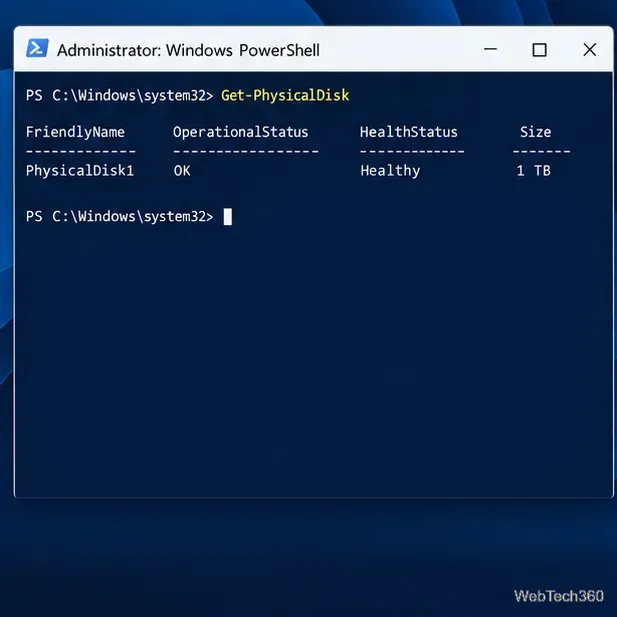
Check Windows Server disk status and reliability counters, verify SMART data when available, and separate hardware warnings from NTFS errors.
Is your Windows 11 PC feeling sluggish, with that dreaded "low disk space" warning popping up? You're not alone—over time, temporary files, system caches, and forgotten downloads can clog your drive, slowing everything down. The good news? The built-in Windows 11 Disk Cleanup Utility is your secret weapon to reclaim gigabytes of space effortlessly. This powerful tool scans and removes unnecessary files safely, helping you breathe new life into your device. In this guide, we'll walk you through every step to use Disk Cleanup in Windows 11, with tips to maximize its potential. Let's dive in and get your storage sparkling! 🌟
The Disk Cleanup Utility is a native Windows feature designed to identify and delete temporary files, system logs, and other junk that accumulates on your hard drive or SSD. Introduced in earlier Windows versions and refined in Windows 11, it helps optimize storage without risking your important data. Think of it as a digital vacuum cleaner for your PC—safe, efficient, and incredibly satisfying when you see the space freed up.
In Windows 11, this tool integrates seamlessly with the modern interface, supporting features like cleaning up old Windows updates and delivery optimization files. According to Microsoft's official documentation, regular use can improve system performance by reducing fragmentation and boot times. No third-party software needed—just a few clicks to a leaner, faster machine.
Before we jump into the how-to, let's talk perks. Using the Windows 11 Disk Cleanup Utility isn't just about freeing space; it's about enhancing your overall experience:
Imagine installing that new game or app without storage headaches. That's the joy of a well-maintained PC. Ready to start? Follow these steps for a hassle-free cleanup.
Accessing the Disk Cleanup Utility in Windows 11 is straightforward. We'll cover the primary method via search, plus alternatives for power users. Let's get cleaning!
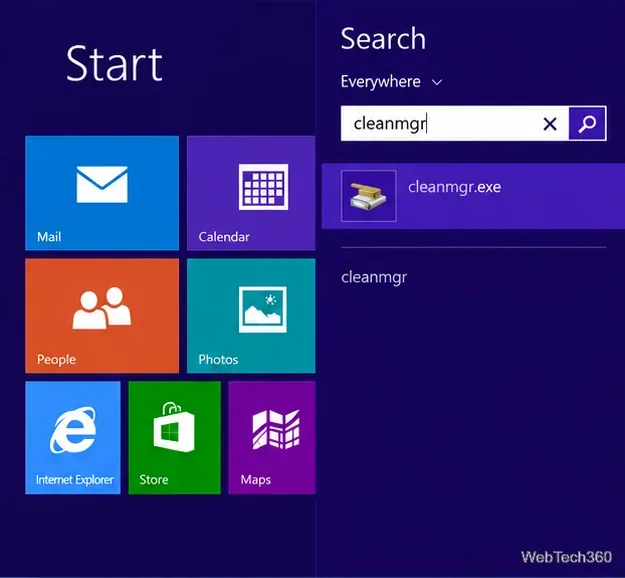
1️⃣ Press the Windows key on your keyboard (or click the Start button) and type "Disk Cleanup". Hit Enter when it appears in the results.
Alternatively, for a more hands-on approach:
A dialog box will pop up, asking which drive to clean. Select your main drive (usually C:) and click OK. Windows 11 will now scan for junk—grab a coffee while it works! ☕
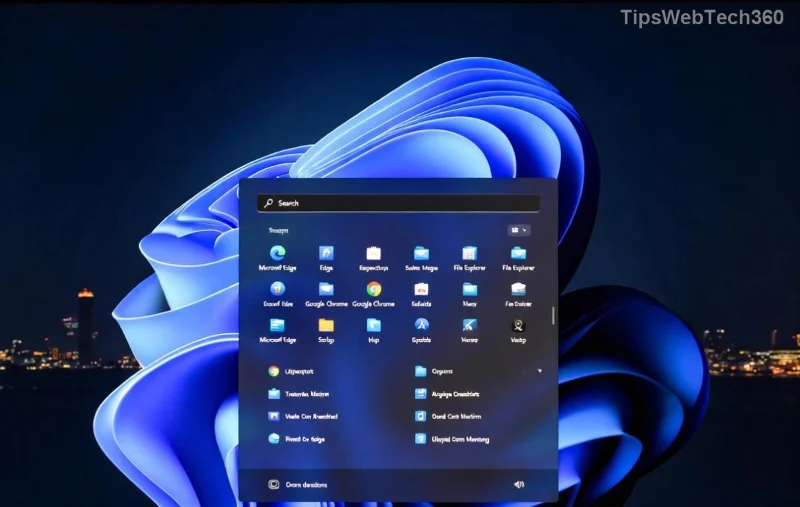
Once the scan finishes, you'll see a list of file categories with estimated space savings. Common ones include:
| Category | What It Cleans | Typical Space Saved |
|---|---|---|
| Temporary Files | Cache from apps and installs | 500MB - 2GB |
| Recycle Bin | Deleted files waiting to be purged | Varies (up to several GB) |
| System Files | Old Windows updates and logs | 1GB - 5GB+ |
| Thumbnails | Image previews | 100MB - 1GB |
| Downloaded Program Files | Old browser add-ons | 200MB - 1GB |
Check the boxes for items you want to remove. For a deeper clean, click "Clean up system files" at the bottom—this rescan includes more categories like previous Windows installations. Pro tip: Always review before deleting; if unsure, leave it unchecked. Your PC will thank you for the extra space!
2️⃣ Click OK, then Yes to confirm. The Disk Cleanup Utility will delete the selected files, showing progress. It might take a few minutes, depending on the volume of junk.
Done! Check your drive properties to see the freed space. Feel that rush of accomplishment? You've just optimized your Windows 11 setup.
To supercharge your cleanup routine, go beyond the basics. Here's how to make the most of the Windows 11 Disk Cleanup Utility:
One user favorite: Cleaning system files after major updates can free up to 10GB. For more on Windows 11 storage tweaks, check Microsoft's guide here.
Even pros slip up sometimes. Steer clear of these pitfalls to keep your Windows 11 Disk Cleanup sessions smooth:
By avoiding these, you'll ensure a positive, error-free experience every time.
Got questions? We've got you covered with these common queries:
Q: Is Disk Cleanup safe for my files?
A: Absolutely— it only targets temporary and system junk, never personal documents.
Q: How often should I run it?
A: Monthly for light users; weekly if you download a lot. Let Storage Sense handle the rest.
Q: Can I use it on SSDs?
A: Yes! It's optimized for all drive types in Windows 11, preserving SSD health.
Q: What if Disk Cleanup doesn't find much?
A: Try third-party tools sparingly, but stick to built-ins first. Or, review large folders in File Explorer.
Congratulations—you're now equipped to tackle storage woes with the Windows 11 Disk Cleanup Utility! By following these steps, you'll free up space, speed up your system, and enjoy a clutter-free computing life. Make it a habit, and watch your PC perform at its best. Got a cleanup success story or tip? Share in the comments below—we'd love to hear how it went for you. Happy cleaning! 👏
Check Windows Server disk status and reliability counters, verify SMART data when available, and separate hardware warnings from NTFS errors.
Create, grant admin rights to, disable, or remove local Windows Server users with Computer Management or PowerShell. Learn when to use Active Directory instead.
Install Serviio on Windows Server, share local or NAS media folders, and test DLNA playback. Learn how to check the Windows service, firewall, and Pro-only browser features.
Convert PNG, JPG, or BMP files to Windows ICO with GIMP. Prepare a square image, keep transparency when needed, add standard sizes, and check the export.
Clear thumbnail, DNS, Internet Explorer, Microsoft Store, Search, and Live Tile data with Windows 8’s built-in tools, and learn what each cleanup removes.
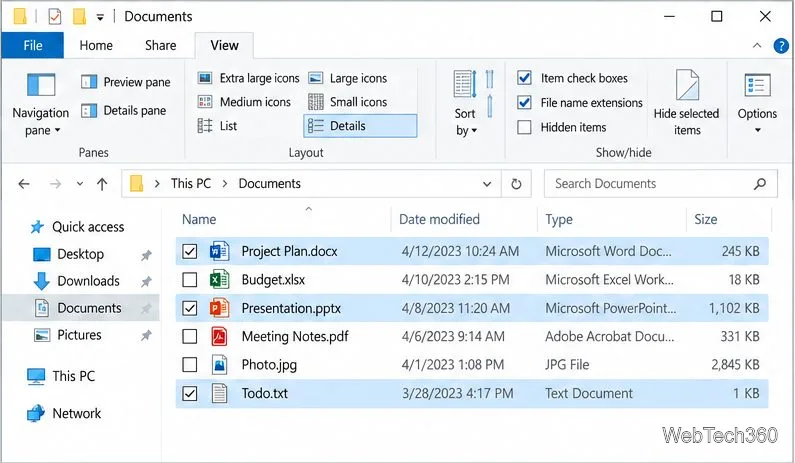
Turn off Windows 10 item check boxes in File Explorer with the View ribbon, or use Folder Options if the toggle is missing. See what changes and how to select multiple files without boxes.
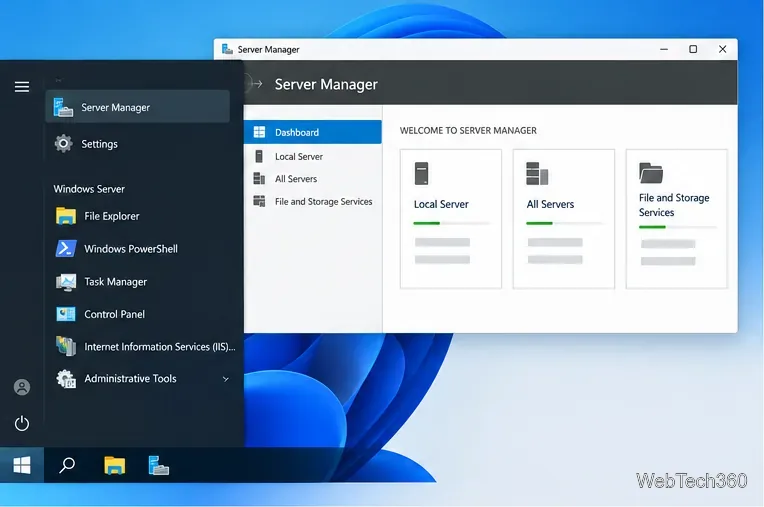
Install VMware Workstation Pro on a compatible Windows Server host, from checking support and downloading the right build to creating your first VM.
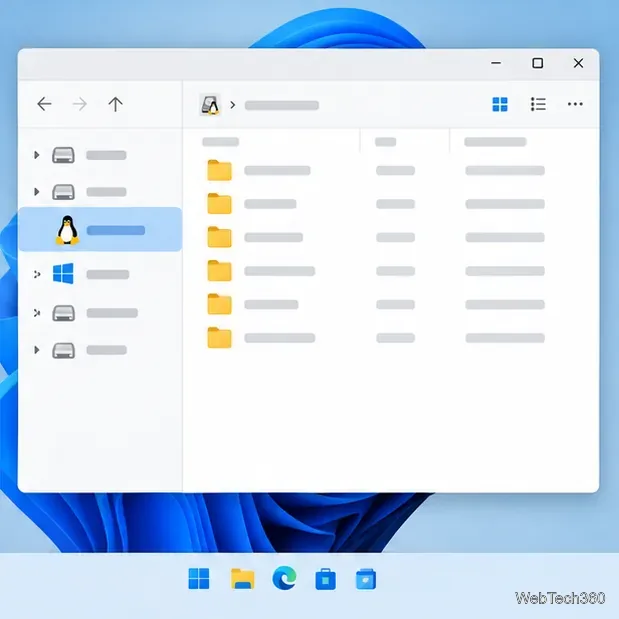
Browse and copy Ext2, Ext3, or Ext4 files on Windows with a read-only workflow. See what Linux Reader’s free edition supports and when WSL fits.
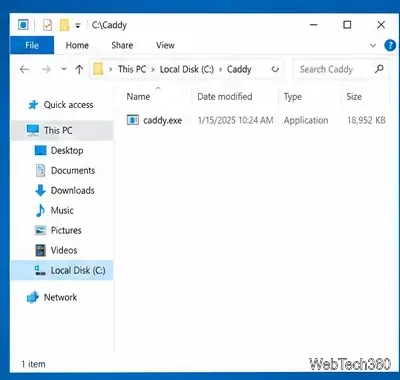
Install Caddy’s native Windows binary, serve a test site, enable automatic HTTPS for a domain, and run Caddy as a Windows Server service.
Run Linux Docker containers alongside Windows Server by creating an Ubuntu Hyper-V VM, installing Docker Engine, and publishing a test service safely.