How to Set Up an Email Signature in Outlook.com
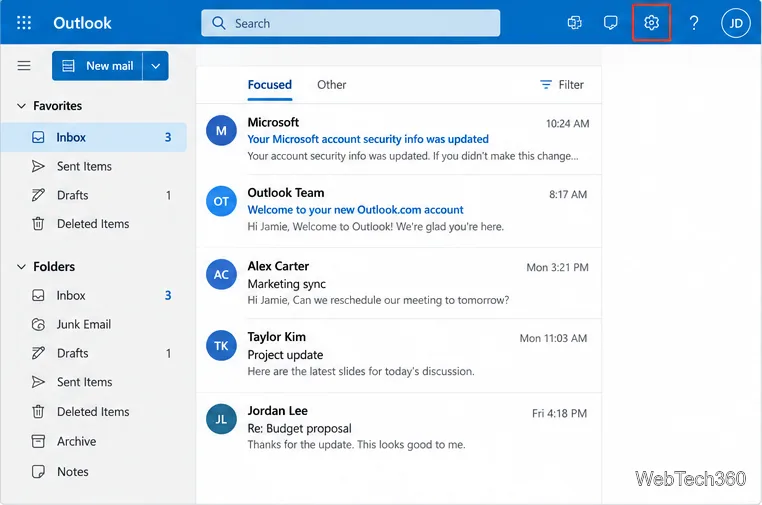
Create a reusable Outlook.com email signature, choose when it appears automatically, and insert it manually when you need a different sign-off.
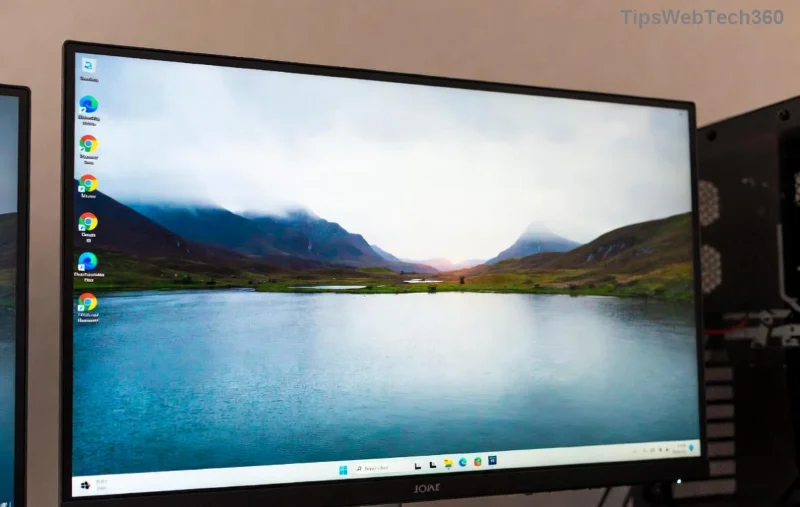
Are you tired of the default centered Windows 11 taskbar alignment cramping your workflow? Whether you're a power user craving that classic left-aligned look or just want to tweak your desktop for better efficiency, customizing your taskbar alignment is a game-changer. In this concise guide, we'll walk you through the simplest ways to change Windows 11 taskbar alignment, ensuring your setup feels just right. Let's dive in and transform your experience—no tech headaches required! 😊
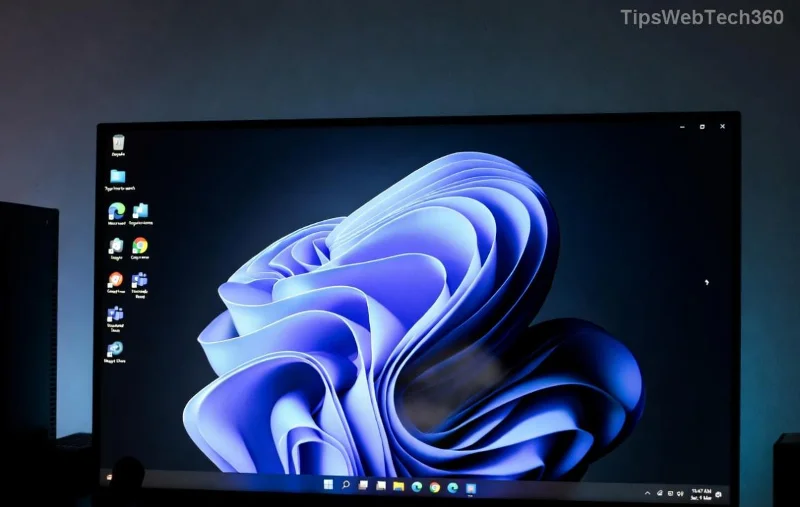
The Windows 11 taskbar defaults to a centered position, which looks sleek but isn't for everyone. Aligning it to the left mimics the familiar Windows 10 style, making it easier to access apps quickly. Right alignment? Ideal for multi-monitor setups or if you prefer a minimalist vibe on the side.
Customizing this isn't just cosmetic—it's about productivity. Imagine reaching your favorite tools without unnecessary mouse travel. Plus, with Windows 11's latest updates, the process is smoother than ever, giving you full control over your digital space. Ready to make the switch? Follow these steps for a seamless taskbar position change.
Microsoft has streamlined taskbar alignment in recent updates, but it's tucked away in settings. No downloads or restarts needed—just a few clicks. We'll cover the primary method using built-in tools, plus a quick alternative for advanced users.
This is the go-to method for most users. It's intuitive and works on all Windows 11 editions, including Home and Pro.
That's it! Your change Windows 11 taskbar alignment is complete in under a minute. If you're on a touchscreen device, these steps work just as smoothly with taps.
Want more control, like forcing alignments not natively supported? Use the Registry Editor—but proceed with caution, as edits can affect system stability. Always back up your registry first (search "regedit backup" for guides).
regedit, and hit Enter. Approve admin access.HKEY_CURRENT_USER\Software\Microsoft\Windows\CurrentVersion\Explorer\Advanced.TaskbarAl. Set its value to 0 for left, 1 for center, or 2 for right (in decimal).This method is powerful for customize taskbar alignment beyond defaults, but stick to Settings unless you're comfortable with tweaks. If issues arise, delete the TaskbarAl key to revert.
Even simple changes can glitch. Here's how to fix them quickly, keeping your Windows 11 taskbar position on point.
sfc /scannow.These fixes should resolve 99% of problems. If not, Microsoft's support forums are a goldmine (check answers.microsoft.com for community help).
Once you've nailed align taskbar Windows 11, why stop there? Elevate your setup with these hacks:
| Tip | How to Do It | Why It Rocks |
|---|---|---|
| Auto-hide the taskbar | Settings > Taskbar behaviors > Turn on "Automatically hide the taskbar" | Frees up screen real estate for immersive work ⭐ |
| Pin essential apps | Right-click app icon > Pin to taskbar | Lightning-fast access without digging through menus |
| Customize icons | Settings > Personalization > Themes > Choose accent colors | Matches your style for a cohesive desktop vibe |
| Enable search highlights | Taskbar settings > Turn on "Search" with highlights | Spot web results right on your taskbar—productivity boost! 🚀 |
Experiment with these to make your Windows 11 taskbar a true extension of your workflow. For even more depth, explore Microsoft's official docs at support.microsoft.com.
Changing your Windows 11 taskbar alignment is more than a tweak—it's about owning your OS. Whether you go left for tradition or center for modernity, these steps empower you to create a desktop that sparks joy and efficiency. Now that you're set, why not explore Windows 11 settings guide for other customizations? Your perfect setup awaits—happy computing! 👏
Got questions or a favorite alignment hack? Drop a comment below—we'd love to hear how it went!
Create a reusable Outlook.com email signature, choose when it appears automatically, and insert it manually when you need a different sign-off.
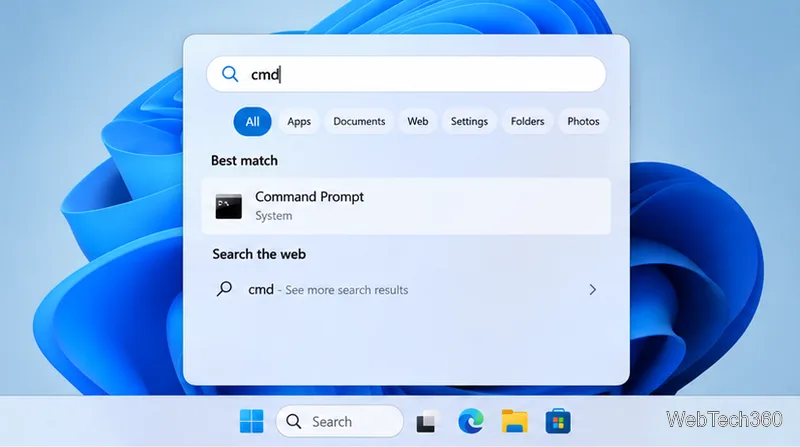
Open Command Prompt with Start search, Run, File Explorer, or Windows Terminal. See how to launch it as an administrator and find it on older PCs.
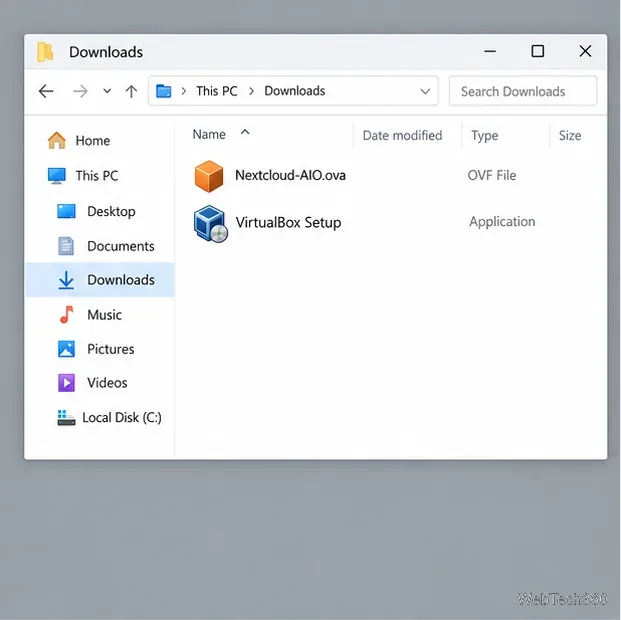
Set up a Nextcloud sync server on Windows Server with the AIO virtual machine, VirtualBox, bridged networking, domain, HTTPS, and backup guidance.
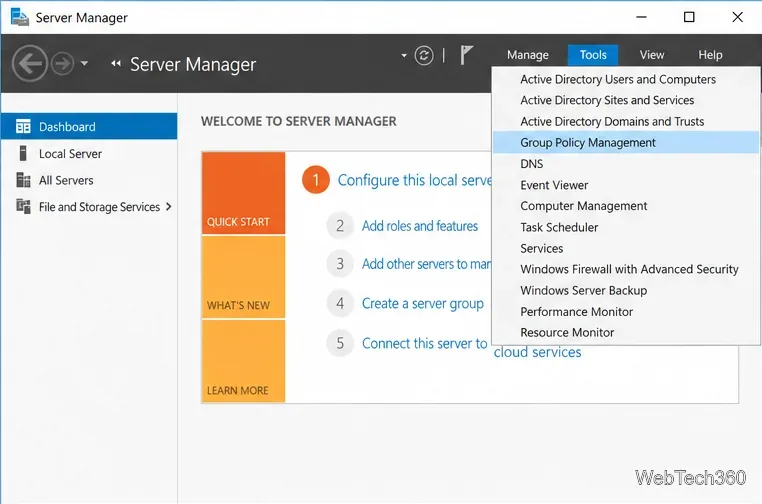
Learn how to create, link, configure, and verify a Windows Server Group Policy Object with a pilot OU, a wallpaper example, and troubleshooting checks.
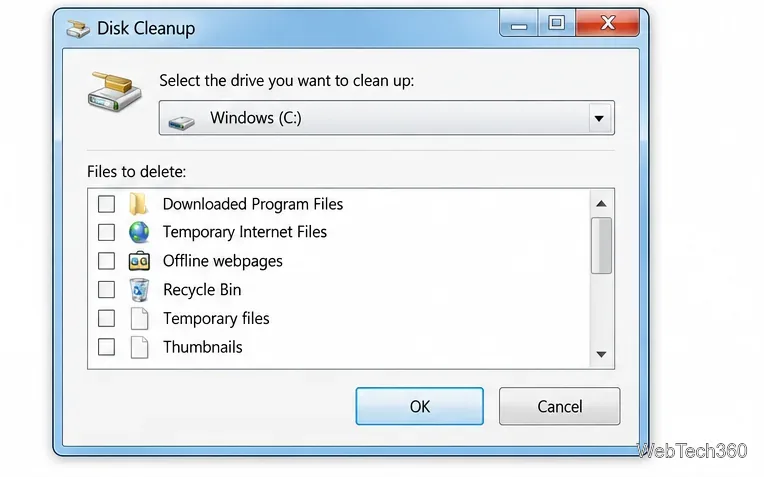
Learn how Windows 7 Disk Cleanup, Disk Defragmenter, System Restore, and built-in troubleshooters handle common maintenance tasks, with important safety limits.
Speed up a Windows 7 PC by finding bottlenecks, reducing startup load, clearing disk space, adjusting visual effects, and upgrading wisely.
Set up Configuration Manager as a standalone primary site with supported Windows Server, SQL Server, evaluation media, and current setup prerequisites.
Host GitLab Self-Managed on Windows Server by running Ubuntu Server in Hyper-V, then configure its network, HTTPS address, first login, and backups.
Install Abyss Web Server X1 on Windows Server, create the console login, publish a test page, and configure the service to start at boot.
Install SharePoint Server Subscription Edition on Windows Server with current hardware, SQL, prerequisite, setup, and farm-configuration guidance.