How to Fix Snipping Tool Issues on Windows 11
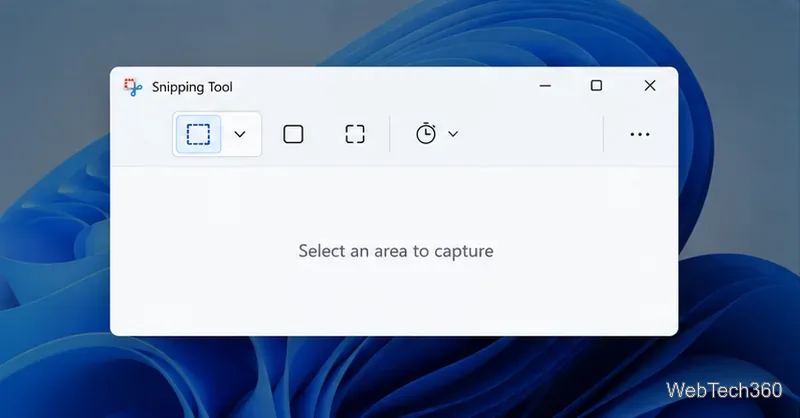
Fix common Snipping Tool problems in Windows 11 with steps to test the shortcut, update or repair the app, reinstall it, and restore missing capture notifications.
Imagine the frustration of a sudden system crash wiping out your carefully configured Windows 11 settings. 😩 Don't let that happen! Setting up a Windows 11 registry backup is your safety net, ensuring you can restore your PC to its optimal state quickly and securely. In this concise guide, we'll walk you through the process step by step, focusing on safe practices to protect your data without overwhelming you with tech jargon. By the end, you'll feel confident managing your registry like a pro.
The Windows registry is the heart of your operating system—a vast database storing everything from hardware configurations to software preferences. Messing with it can supercharge your PC or cause chaos, so a reliable registry backup is essential. It safeguards against accidental changes, malware, or updates gone wrong. According to Microsoft's official documentation, regular backups prevent downtime and data loss, keeping your workflow smooth. Plus, it's empowering: you'll gain peace of mind knowing your custom tweaks are preserved.
Think of it as insurance for your digital life. Ready to dive in? Let's start with the basics.
Before touching the registry, preparation is key to avoid mishaps. Follow these tips for a hassle-free setup:
With these steps done, you're set to proceed safely. Feeling prepared? Great—now let's get to the core process.
We'll use built-in tools for maximum security—no third-party software needed unless you prefer automation later. This method is straightforward and endorsed by Microsoft for reliability.
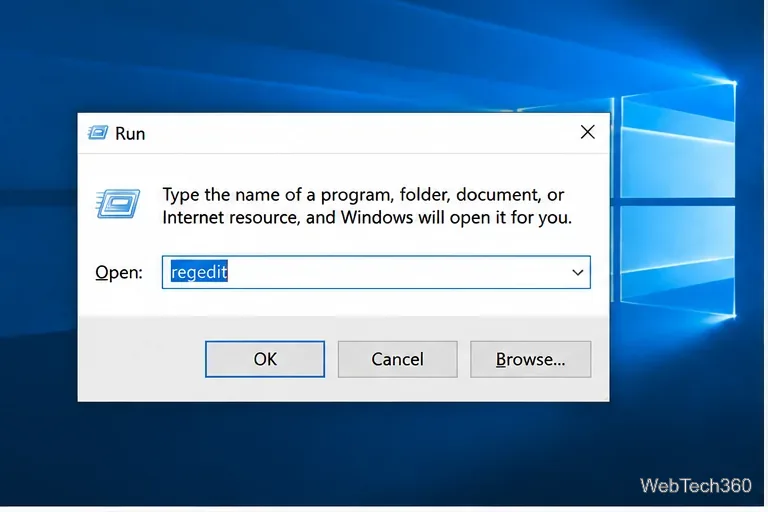
Press Windows + R to open the Run dialog, type regedit, and hit Enter. If prompted by User Account Control (UAC), click Yes. This opens the Registry Editor—handle it with care, as changes here are permanent without a backup.
Pro Tip: If you're new to this, familiarize yourself with the interface. The left pane shows hives like HKEY_CURRENT_USER, while the right displays values. No need to edit anything yet; we're just backing up.
This creates a .reg file you can double-click to restore later. But wait—don't stop here. For even safer automation, integrate it with Windows' System Protection.
To make setup Windows 11 registry backup effortless, schedule regular exports. This keeps your backups fresh without manual effort.
Now your safe registry backup runs automatically! Test it once to ensure it works—double-check the file size to confirm it's not empty.
Setting it up is half the battle; maintaining it ensures long-term safety. Here's a focused checklist:
| Best Practice | Why It Matters | How to Implement |
|---|---|---|
| Store Off-Site | Protects against hardware failure or theft. | Copy backups to external HDD, USB, or cloud like OneDrive. |
| Version Your Backups | Allows rollback to previous states if needed. | Append dates to filenames and keep 3-5 versions. |
| Avoid Over-Editing | Prevents corruption; only tweak when necessary. | Backup before any registry changes via File > Export. |
| Monitor for Errors | Catches issues early for quick fixes. | Use Event Viewer (search in Start) to check for registry-related logs. |
These habits will keep your system robust. Ever wondered how to restore if things go south? Stick around—we'll cover that next.
Restoration is simple but do it cautiously—boot into Safe Mode if your PC is unstable (hold Shift during restart, then Troubleshoot > Advanced options > Startup Settings > Safe Mode).
If issues arise, use System Restore to revert. For advanced users, Microsoft's Registry documentation offers deeper insights—check it for troubleshooting.
Success! You've now mastered Windows registry protection. This setup not only secures your PC but boosts your confidence in handling Windows 11.
To wrap up on a high note, steer clear of these errors:
By avoiding these, your backup Windows 11 settings will be rock-solid. Pat yourself on the back—you're now equipped to keep your system safe! 👏 If you have tweaks or questions, experiment safely and share in the comments below. Your PC thanks you.
Fix common Snipping Tool problems in Windows 11 with steps to test the shortcut, update or repair the app, reinstall it, and restore missing capture notifications.
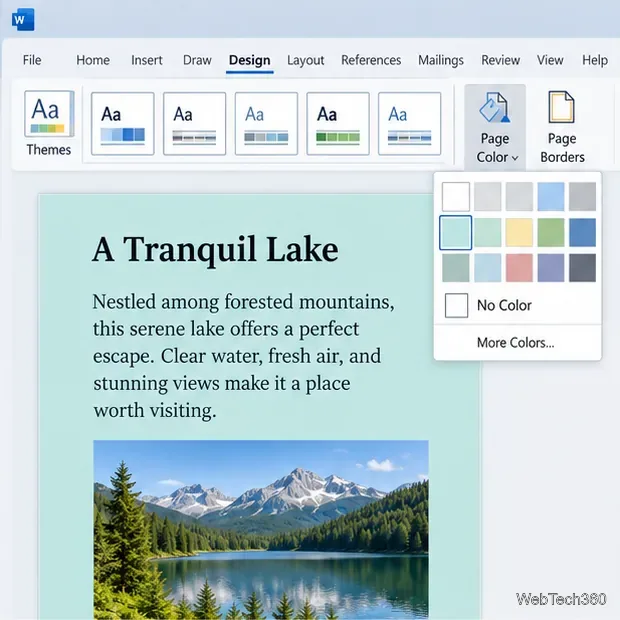
Choose a color-capable printer, enable Word’s background-print setting, and check the preview so page colors, images, and graphics print as expected.
Learn how to use WinX DVD Ripper to convert a DVD you’re entitled to copy into an MP4 file, choose the right title and destination, and troubleshoot playback problems on Windows 10 or 11.
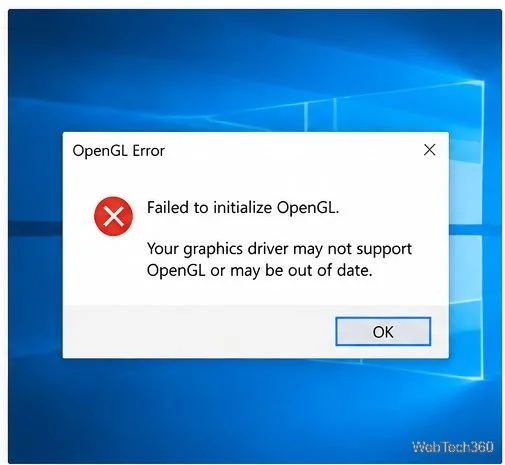
Troubleshoot OpenGL errors in Windows 10 by checking graphics drivers, repairing system files, reinstalling the affected app, and reviewing graphics settings.
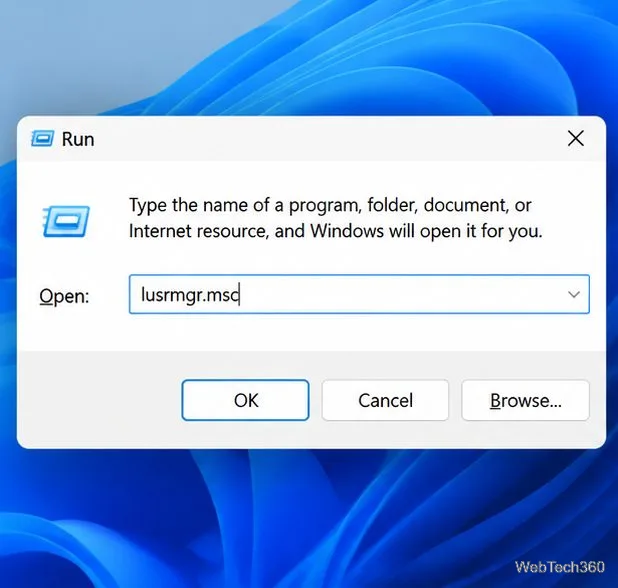
Learn when to use net user, lusrmgr.msc, and net localgroup to view, create, disable, and manage local Windows accounts safely.
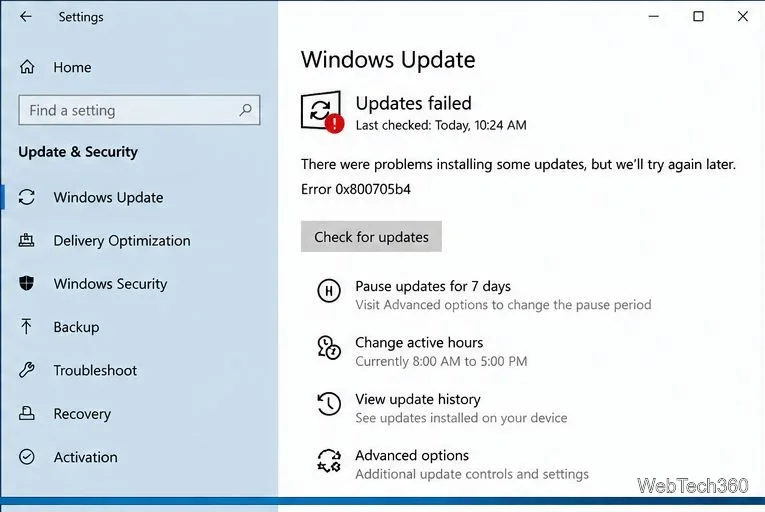
Resolve Windows Update error 0x800705b4 with practical checks for connectivity, update services, cached files, and damaged Windows system components.
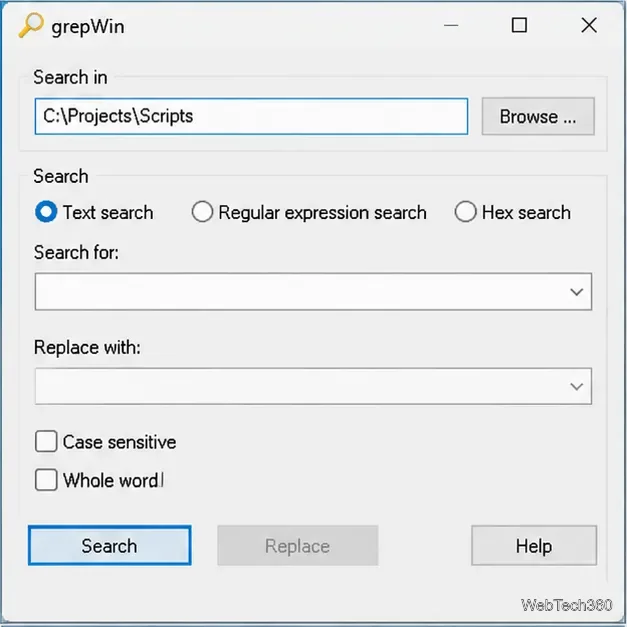
Find words or phrases across multiple text files on Windows 10 with grepWin. Learn how to choose folders, filter file types, include subfolders, and read matches safely.
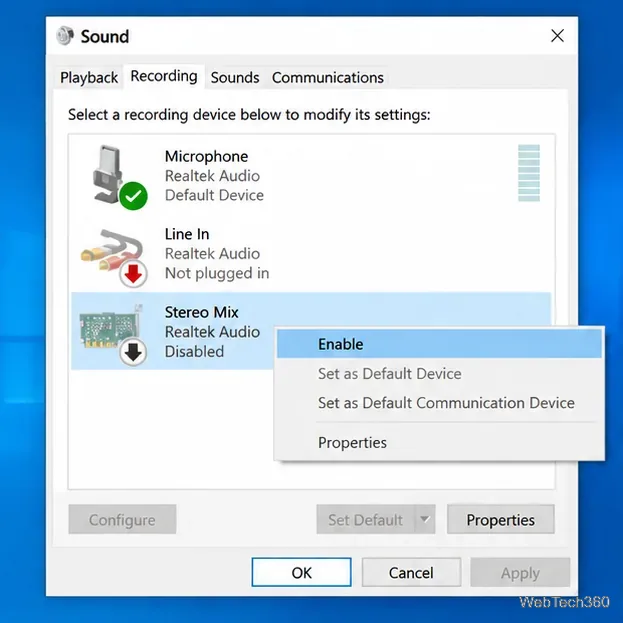
Capture your PC’s playback with FFmpeg on Windows 10. Enable Stereo Mix or use a loopback device, find its DirectShow name, and save clean audio.
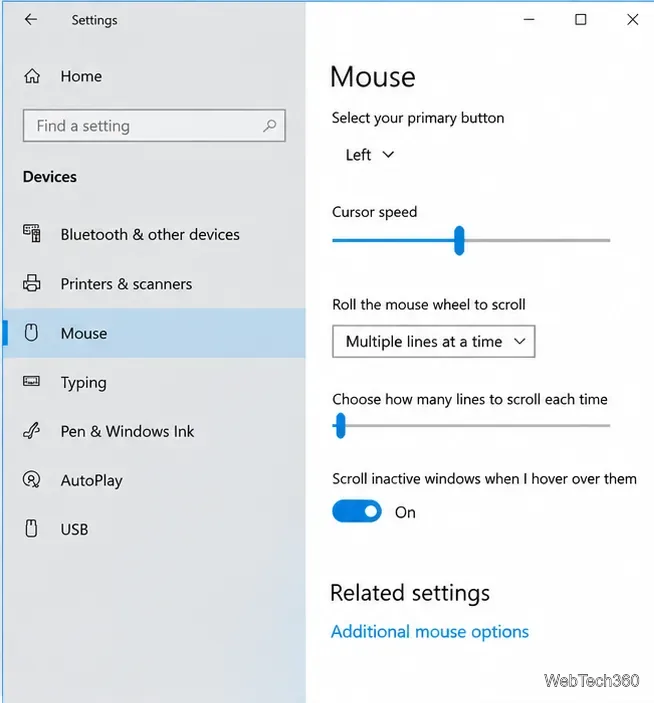
Learn how to adjust Windows 10 mouse pointer speed, change pointer precision, and set hardware DPI with a supported gaming mouse or manufacturer app.
Learn what the legacy Edge blocker registry setting does, how to set it safely, and why it will not stop updates for Microsoft Edge already installed.