How to Fix Snipping Tool Issues on Windows 11
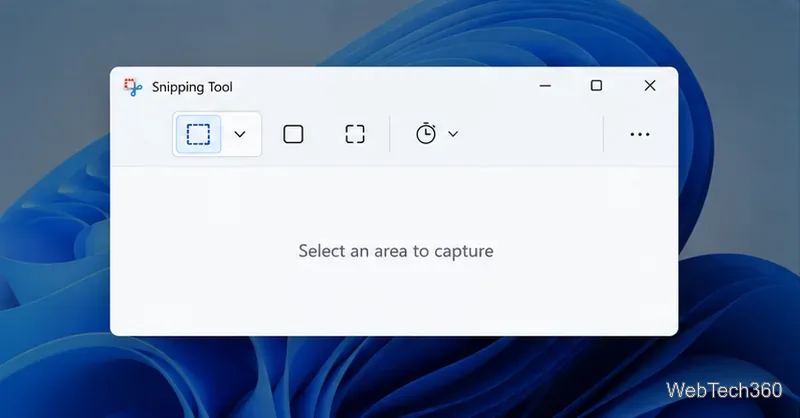
Fix common Snipping Tool problems in Windows 11 with steps to test the shortcut, update or repair the app, reinstall it, and restore missing capture notifications.
Imagine firing up your computer only to face boot errors, unallocated space warnings, or sluggish performance on your shiny new SSD. Frustrating, right? 😩 If you're dealing with GPT disk vs MBR disk confusion, you're not alone. These partitioning schemes are the backbone of how your drive organizes data, and getting them wrong can turn your setup into a nightmare. But don't worry—this guide is your friendly roadmap to troubleshooting GPT vs MBR for SSD, packed with practical steps to resolve issues and optimize your storage. Let's dive in and turn that frustration into a smooth-running system! 🚀
Before we troubleshoot, let's clarify the core differences. MBR (Master Boot Record) is the old-school partitioning method, dating back to the DOS era. It's simple but limited: it supports up to four primary partitions and caps disk sizes at 2TB. On the flip side, GPT (GUID Partition Table) is the modern powerhouse, designed for UEFI systems. It handles massive drives (up to 9.4 zettabytes!), supports more partitions, and includes built-in redundancy for better data integrity.
For SSDs, GPT disk vs MBR disk matters big time. SSDs thrive on speed and efficiency, and GPT aligns perfectly with contemporary hardware like those in Windows 11 or recent macOS setups. MBR might work for legacy BIOS systems, but it's often the culprit behind SSD woes in newer environments. Stick with GPT for most SSDs to avoid compatibility headaches—it's the go-to for drives over 2TB or those needing advanced features like secure boot.
SSD troubleshooting often boils down to mismatched partitioning. Here are the top pain points:
These issues spike during OS installs, drive clones, or hardware upgrades. The good news? Most are fixable with the right tools and steps. Keep reading to see how we tackle them head-on. 💪
Ready to roll up your sleeves? Start by identifying your disk type. This is your first line of defense in GPT disk vs MBR disk troubleshooting.
diskpart, then list disk. A "*" under "Gpt" column means it's GPT.If your SSD is the wrong type, don't panic. Next, we'll cover fixes. Pro tip: Always back up data first—tools like Macrium Reflect or EaseUS Todo Backup make this a breeze.
Converting from MBR to GPT is a common SSD troubleshooting task, especially for UEFI boots. Windows' built-in tool shines here, but proceed with caution.
| Step | Action | Tool | Notes |
|---|---|---|---|
| 1 | Backup Data | Any Backup Software | Essential to avoid loss—expect full wipe if non-destructive method fails. |
| 2 | Open Diskpart | CMD (Admin) | Type diskpart > list disk > select disk X > clean (X is your SSD number—double-check!) |
| 3 | Convert to GPT | Diskpart | convert gpt. For non-destructive, use EaseUS Partition Master. |
| 4 | Create Partitions | Disk Management | Right-click unallocated space > New Simple Volume. Format as NTFS for Windows. |
| 5 | Verify and Boot | BIOS/UEFI Settings | Set to UEFI mode if needed. Test boot. |
This process typically takes under 30 minutes for a standard SSD. If you're on Linux, tools like gdisk offer similar conversions. Remember, GPT enhances SSD longevity by supporting features like TRIM more efficiently. Feeling empowered yet? Let's move to GPT-specific fixes. ⭐
GPT is robust, but it's not invincible. Common glitches include "GPT protective partition" errors during MBR attempts or corruption from power failures. Here's how to handle them:
bootrec /fixmbr followed by bootrec /rebuildbcd. For deeper fixes, use diskpart > select disk X > clean > convert gpt.For hardware-related SSD problems mimicking partition issues (e.g., bad sectors), run CHKDSK: chkdsk C: /f /r. If your SSD is NVMe-based, update firmware via the manufacturer's tool—Samsung Magician or Crucial Storage Executive are gold standards.
Prevention beats cure. To sidestep future GPT disk vs MBR disk drama:
fsutil behavior query DisableDeleteNotify (0 = enabled).Following these keeps your SSD humming at peak efficiency. According to Microsoft's latest documentation, GPT is now the default for all new installations, making it the smart choice for 2026 and beyond.
There you have it—a complete toolkit for troubleshooting GPT disk vs MBR disk on SSDs. From diagnosis to conversion, these steps empower you to fix issues without calling in the pros. Your SSD deserves to shine, so apply these tips and enjoy faster boots, more space, and zero stress. Got a specific error? Drop it in the comments—we're here to help! 👏 What's your next storage upgrade? Keep exploring for more tech wins.
Fix common Snipping Tool problems in Windows 11 with steps to test the shortcut, update or repair the app, reinstall it, and restore missing capture notifications.
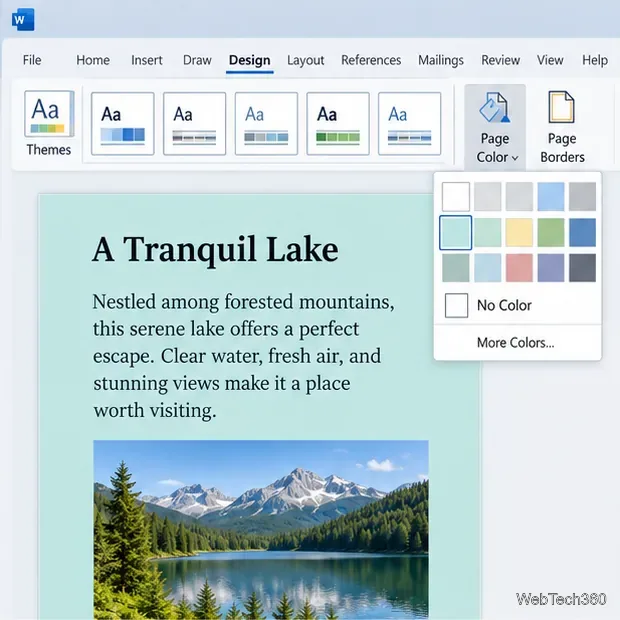
Choose a color-capable printer, enable Word’s background-print setting, and check the preview so page colors, images, and graphics print as expected.
Learn how to use WinX DVD Ripper to convert a DVD you’re entitled to copy into an MP4 file, choose the right title and destination, and troubleshoot playback problems on Windows 10 or 11.
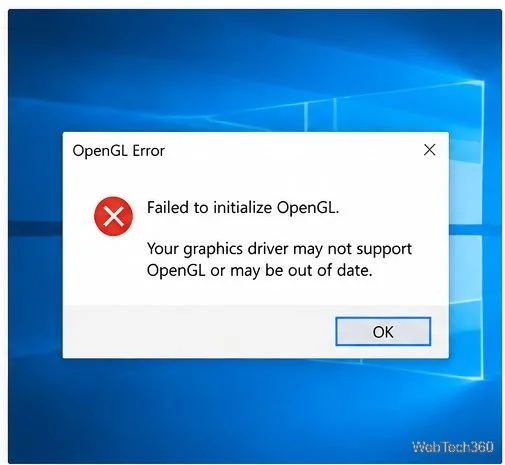
Troubleshoot OpenGL errors in Windows 10 by checking graphics drivers, repairing system files, reinstalling the affected app, and reviewing graphics settings.
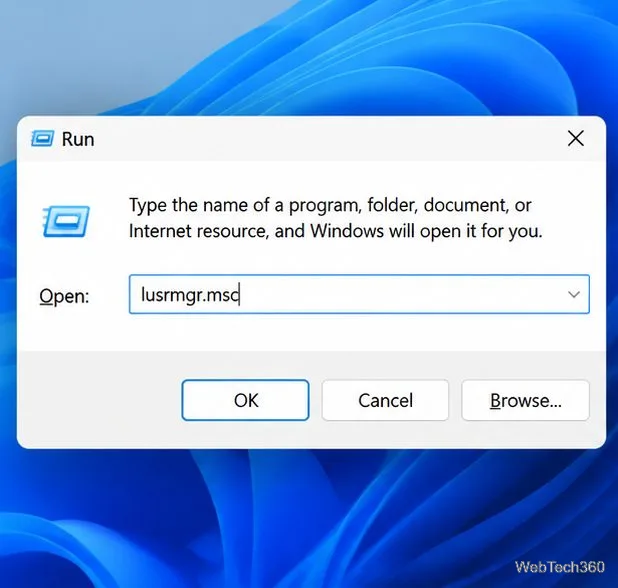
Learn when to use net user, lusrmgr.msc, and net localgroup to view, create, disable, and manage local Windows accounts safely.
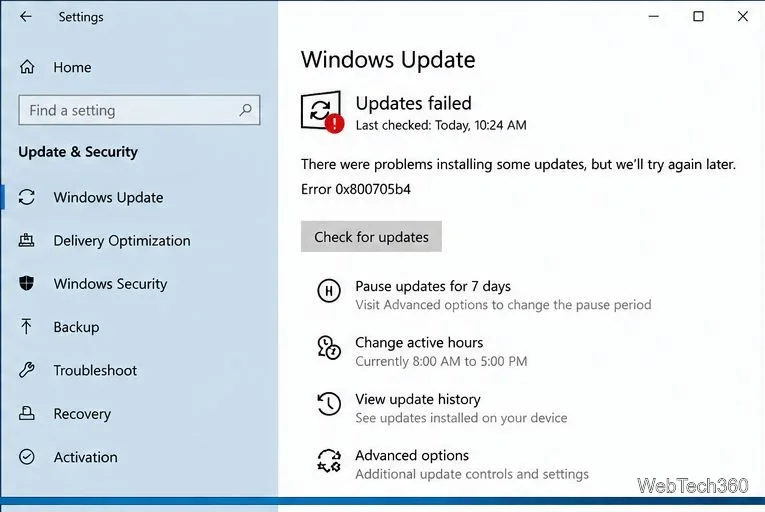
Resolve Windows Update error 0x800705b4 with practical checks for connectivity, update services, cached files, and damaged Windows system components.
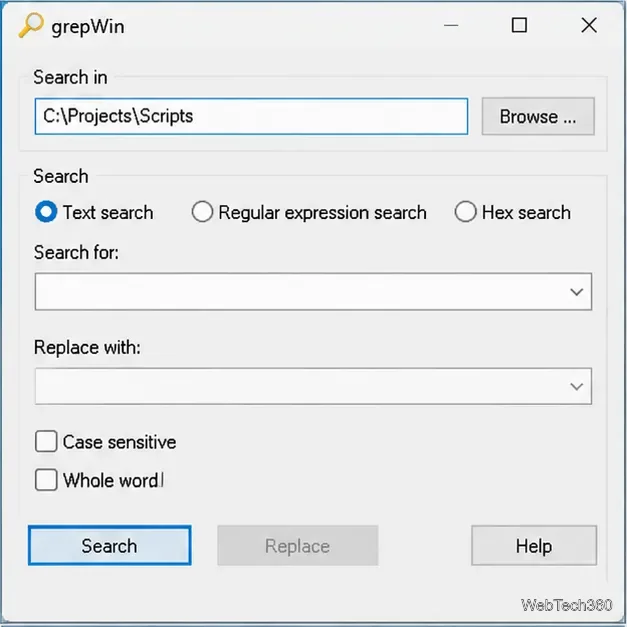
Find words or phrases across multiple text files on Windows 10 with grepWin. Learn how to choose folders, filter file types, include subfolders, and read matches safely.
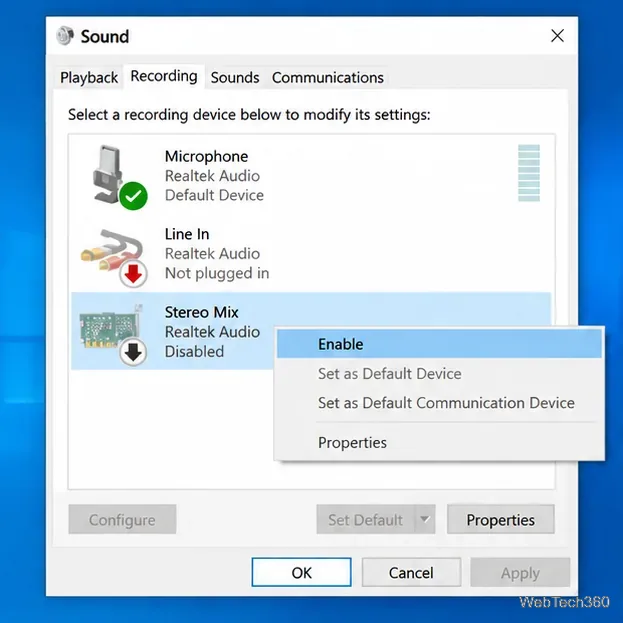
Capture your PC’s playback with FFmpeg on Windows 10. Enable Stereo Mix or use a loopback device, find its DirectShow name, and save clean audio.
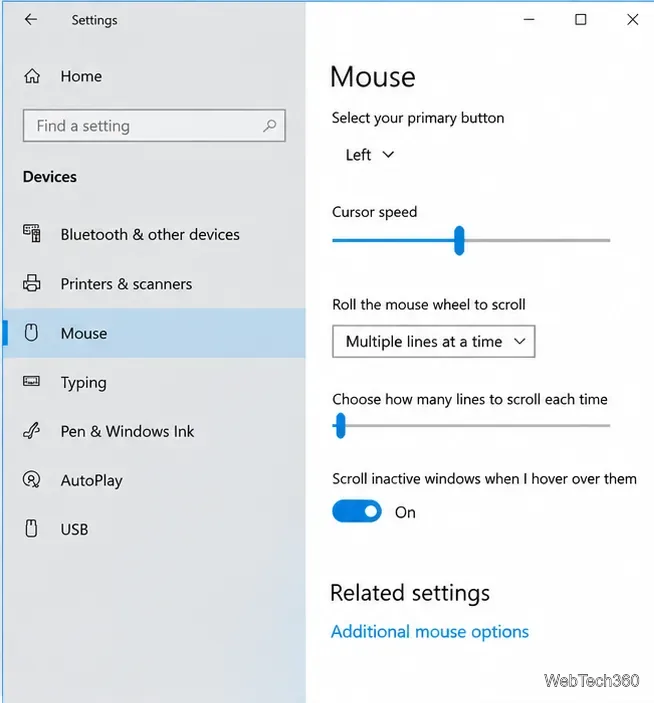
Learn how to adjust Windows 10 mouse pointer speed, change pointer precision, and set hardware DPI with a supported gaming mouse or manufacturer app.
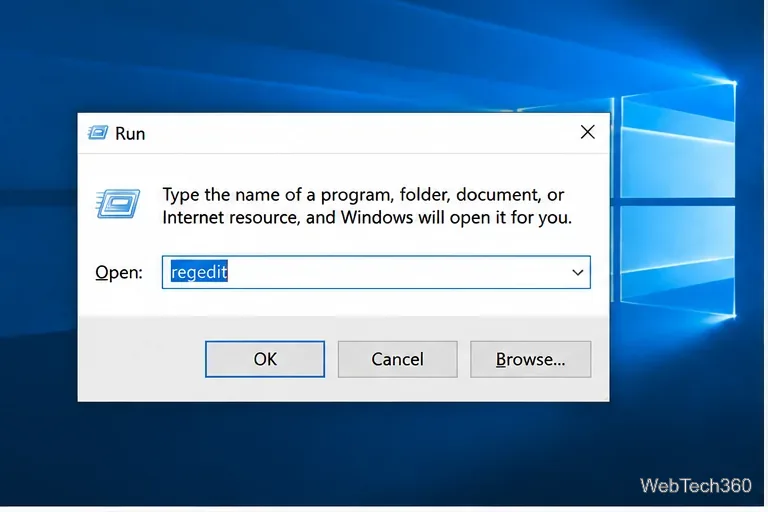
Learn what the legacy Edge blocker registry setting does, how to set it safely, and why it will not stop updates for Microsoft Edge already installed.