Imagine you're deep into an intense online gaming session or a crucial video call, only to be hit by sudden ping spikes that make everything stutter. If you're on Windows 11 and relying on Wi-Fi, these frustrating delays can ruin your experience. The good news? You're not alone, and there are straightforward, effective ways to fix Windows 11 ping spikes over Wi-Fi. In this guide, we'll dive into the root causes and provide actionable fixes to get your connection back to buttery smooth. Stick around—these tips could transform your daily digital life! 😊
Understanding Ping Spikes on Windows 11 Wi-Fi
Ping spikes occur when your network latency jumps unexpectedly, causing delays in data transmission. On Windows 11, Wi-Fi connections are prone to this due to interference, driver glitches, or system optimizations gone wrong. Unlike wired Ethernet, Wi-Fi signals can fluctuate from walls, neighboring networks, or even your microwave. Recent updates in Windows 11 have improved networking, but issues persist if your setup isn't tuned right.
Why does this matter? High ping disrupts gaming (think lost matches in FPS titles), buffers videos, and lags remote work. But fear not—with targeted fixes for ping spikes, you can minimize these interruptions and reclaim control. Let's jump into the solutions, starting with the quickest wins.

Quick Fixes to Reduce Ping Spikes on Windows 11 Wi-Fi
Before diving deep, try these immediate steps to stabilize your connection. They're simple and often resolve ping spikes without advanced tweaks.
- 👆 Restart Your Router and PC: Power cycle your Wi-Fi router by unplugging it for 30 seconds, then restart your Windows 11 PC. This clears temporary glitches and refreshes IP assignments, often slashing ping variability.
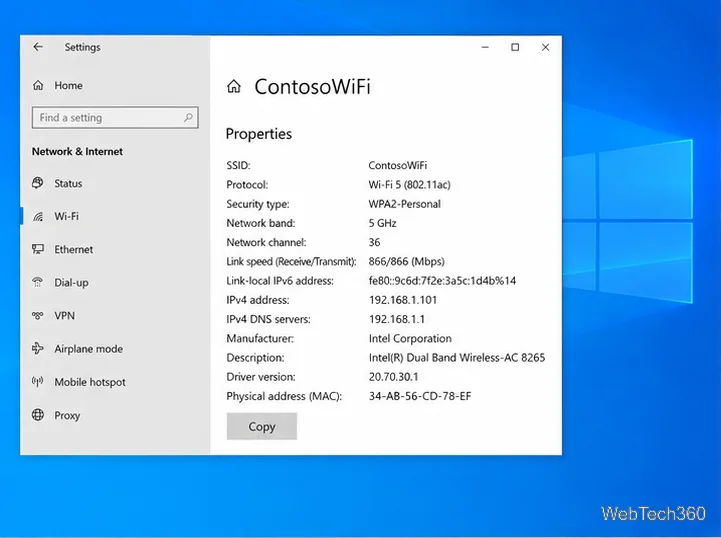
- Switch Wi-Fi Bands: If your router supports it, connect to the 5GHz band instead of 2.4GHz. The 5GHz offers faster speeds and less interference, reducing Wi-Fi ping spikes in crowded areas.
- Update Windows 11: Head to Settings > Windows Update and install the latest patches. Microsoft's recent builds include networking enhancements that tackle latency issues head-on.
These basics can cut your ping by 20-50ms in many cases. If spikes persist, let's troubleshoot further.
Advanced Troubleshooting for Windows 11 Ping Spikes
For stubborn ping spikes on Wi-Fi, we need to dig into system settings and hardware. Follow these steps in order for the best results.
1. Optimize Network Adapter Settings
Your Wi-Fi adapter might be misconfigured, causing packet loss and ping spikes. Here's how to fix it:
- Right-click the Start button and select Device Manager.
- Expand Network adapters, right-click your Wi-Fi adapter (e.g., Intel or Realtek), and choose Properties.
- In the Advanced tab, look for options like "Roaming Aggressiveness" and set it to Lowest to prevent unnecessary signal switches.
- Enable "Receive Side Scaling" and disable "Power Saving Mode" to prioritize performance over battery life.
This tweak alone has helped countless users stabilize Windows 11 Wi-Fi connections. Test your ping afterward using Command Prompt: type ping google.com -t and watch for steady results under 50ms.
2. Flush DNS and Reset Network Stack
Corrupted DNS caches can trigger spikes. Reset them with these commands—run Command Prompt as Administrator:
| Command |
Purpose |
ipconfig /flushdns |
Clears DNS resolver cache |
netsh int ip reset |
Resets TCP/IP stack |
netsh winsock reset |
Resets Winsock catalog |
Restart your PC |
Applies all changes |
After rebooting, your ping spikes should smooth out. For extra reliability, switch to a public DNS like Google's (8.8.8.8) via Network Settings.
![Step-by-step guide to resetting network settings on Windows 11 to fix ping issues]()
3. Update or Reinstall Wi-Fi Drivers
Outdated drivers are a common culprit for Windows 11 ping spikes. Recent hardware like Wi-Fi 6 adapters need the latest software for optimal performance.
- Visit your PC manufacturer's site (e.g., Dell, HP) or the adapter maker's page for fresh drivers.
- In Device Manager, right-click your adapter and select Update driver > Search automatically.
- If issues linger, uninstall the driver and restart—Windows 11 will reinstall it automatically.
Pro tip: Tools like Driver Booster can automate this, but stick to official sources to avoid bloatware.
4. Minimize Interference and Background Processes
Wi-Fi interference from devices like cordless phones or Bluetooth gadgets can spike your ping. Move closer to your router and disable nearby electronics.
On the software side, background apps hog bandwidth. Open Task Manager (Ctrl + Shift + Esc), sort by Network usage, and end tasks like auto-updaters or cloud syncs during gaming sessions.
For deeper control, use Windows 11's Resource Monitor to identify bandwidth thieves. This keeps your Wi-Fi fixes effective long-term.
![Visual representation of Wi-Fi interference causing ping spikes on Windows 11]()
Hardware and Long-Term Solutions for Stable Wi-Fi
If software tweaks aren't enough, consider these upgrades to banish ping spikes for good.
- Upgrade to Wi-Fi 6 or Mesh Systems: Modern routers with Wi-Fi 6 handle multiple devices better, reducing latency. Brands like TP-Link or Netgear offer affordable options.
- Use a USB Wi-Fi Adapter: If your built-in card is faulty, a high-quality external one (e.g., TP-Link Archer T3U) can improve signal strength.
- Switch to Ethernet When Possible: For zero spikes, plug in a cable—it's the gold standard for low-latency tasks.
These investments pay off, especially for gamers or remote workers. And remember, regularly scanning for firmware updates on your router keeps things current.
Testing and Monitoring Your Fixes
After applying these Windows 11 ping spikes fixes, verify success. Use free tools like PingPlotter or Speedtest.net to graph your latency over time. Aim for consistent pings below 50ms on Wi-Fi.
If problems return, check for overheating (clean vents) or malware (run Windows Defender scan). For persistent issues, consult your ISP—they might throttle or have line problems.
For official guidance, see Microsoft's support page on Wi-Fi troubleshooting.
Wrap-Up: Enjoy Lag-Free Windows 11 Wi-Fi Today
Tackling ping spikes on Windows 11 over Wi-Fi doesn't have to be overwhelming. From quick restarts to driver updates, these proven fixes empower you to restore smooth, reliable connections. Start with the basics, test as you go, and watch your frustration melt away. Your gaming marathons, video calls, and streams will thank you! If one fix works wonders for you, drop a comment below—we'd love to hear your success story. 🚀