Is your C drive running low on space, causing your PC to slow down and frustrating your daily tasks? You're not alone! In 2026, with apps and files piling up faster than ever, keeping your C drive clean is essential for smooth performance. This guide will walk you through practical, up-to-date steps to clean C drive and free up space, helping you reclaim gigabytes without hassle. Let's dive in and get your system breathing easy again! 😊
Why Clean Your C Drive? The Benefits of Freeing Up Space
Your C drive is the heart of your Windows operating system, storing everything from the OS to personal files. Over time, temporary files, caches, and unused programs eat away at storage, leading to sluggish boot times and error messages. By 2026, with larger software updates and AI-driven apps demanding more space, regular cleanup isn't just nice—it's necessary.
Key benefits include:
- ⭐ Faster performance: Free space allows Windows to manage memory better, reducing lag.
- 🛡️ Improved security: Deleting old files minimizes risks from outdated software vulnerabilities.
- 💰 Cost savings: Avoid buying unnecessary external drives or upgrades.
Imagine booting up your PC in seconds and running multiple apps without hiccups—that's the reward waiting for you. Ready to start? Let's explore the built-in tools first.
Step 1: Use Windows Built-in Disk Cleanup Tool
Windows comes packed with a powerful, free tool called Disk Cleanup that's been refined in recent updates for 2026. It's your first line of defense against junk files.
- 👆 Right-click the C drive in File Explorer and select Properties.
- Click Disk Cleanup under the General tab.
- Select file types to delete, like Temporary files, Thumbnails, and Recycle Bin contents. For deeper cleaning, hit Clean up system files.
- Review and confirm—watch gigabytes vanish!
This simple process can free up 5-20 GB instantly. Pro tip: Run it monthly to maintain optimal space.

Step 2: Uninstall Unused Programs and Apps
Outdated apps you no longer use? They're space hogs! In 2026, Windows Settings make uninstalling a breeze.
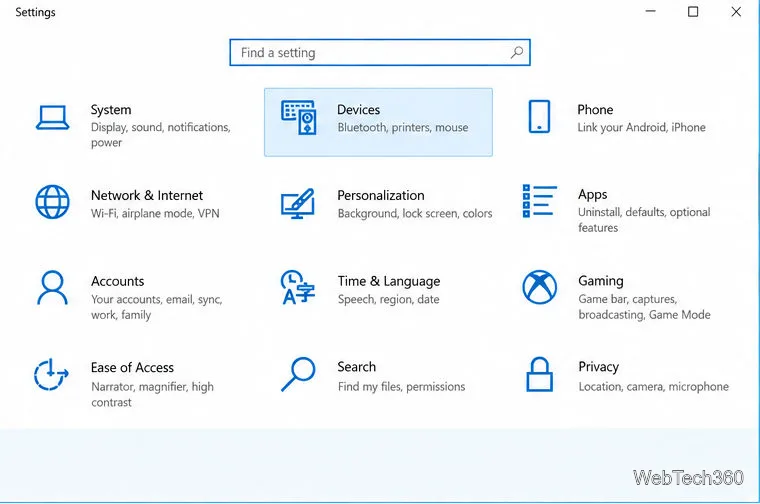
- 1️⃣ Open Settings (Windows key + I) and go to Apps > Installed apps.
- Sort by size to spot the biggest culprits.
- Click the three dots next to an app and select Uninstall. Confirm and let it remove associated files.
Don't forget browser extensions or pre-installed bloatware from manufacturers. This step often recovers 10 GB or more, giving your C drive the breathing room it needs. Feeling empowered yet? Keep going for even more gains!
Step 3: Clear Temporary Files and Cache Manually
Beyond Disk Cleanup, dive deeper into temp folders where Windows stashes temporary data.
Navigate to C:\Windows\Temp and C:\Users\[YourUsername]\AppData\Local\Temp in File Explorer. Select all (Ctrl+A) and delete. For safety, skip any files in use—Windows will handle them on reboot.
Browser caches also add up: In Chrome or Edge, go to Settings > Privacy > Clear browsing data, selecting Cached images and files. This combo can liberate another 5-10 GB, making your system feel brand new.
Step 4: Manage Storage with Storage Sense
Introduced in recent Windows versions and enhanced for 2026, Storage Sense automates cleanup. It's like having a personal assistant for your C drive.
- Open Settings > System > Storage.
- Toggle Storage Sense on and configure it to run automatically (e.g., delete files in Recycle Bin after 30 days).
- Click Configure Storage Sense or run it now for immediate action on temporary files and old downloads.
For a visual breakdown, use the Storage page's recommendations—it highlights large files and unused apps. Users report up to 30% more free space with consistent use.
![Storage Sense settings in Windows showing options to free up C drive space]()
Step 5: Handle Large Files and Duplicates
Downloads, videos, and photos often balloon your C drive. Time to hunt them down!
Use File Explorer's search: Type size:gigantic in the C drive search bar to find files over 128 MB. Move them to an external drive or cloud storage like OneDrive.
For duplicates, consider free tools like Duplicate Cleaner (download from official site). Scan your folders and remove extras safely. This targeted approach prevents data loss while maximizing space.
Advanced Tips: Compress Files and Use Third-Party Tools
If built-in methods aren't enough, enable NTFS compression: Right-click a folder > Properties > Advanced > Check Compress contents to save disk space. It's subtle but effective for documents.
For power users, tools like CCleaner (from ccleaner.com) offer deeper scans. Always download from trusted sources to avoid malware. In 2026, integrate AI features in these tools for smarter cleanup suggestions.
| Method |
Potential Space Saved |
Effort Level |
| Disk Cleanup |
5-20 GB |
Low |
| Uninstall Apps |
10+ GB |
Medium |
| Storage Sense |
15-30% of drive |
Low (Automated) |
| Manual Temp Clear |
5-10 GB |
Medium |
This table summarizes the impact—pick what fits your needs. Remember, combining methods yields the best results!
Prevent Future Clutter: Best Practices for 2026
To keep your C drive pristine, adopt habits like regular backups to external drives and using cloud sync for large files. Set alerts in Windows for low storage (Settings > System > Storage > Show more categories).
Update Windows regularly for efficiency tweaks— the latest 2026 builds include smarter file management. And here's a fun fact: A clean drive not only speeds things up but can extend your hardware's life! 👏
Conclusion: Reclaim Your Space and Enjoy a Faster PC
Congratulations! By following these steps, you've learned exactly how to clean C drive and free up space in 2026. Start with Disk Cleanup today, and watch your system transform. If you free up over 50 GB, share your success in the comments below—what's your go-to method? Stay tuned for more tech tips to keep your digital life optimized. Your faster, happier PC awaits!