How to Fix Snipping Tool Issues on Windows 11
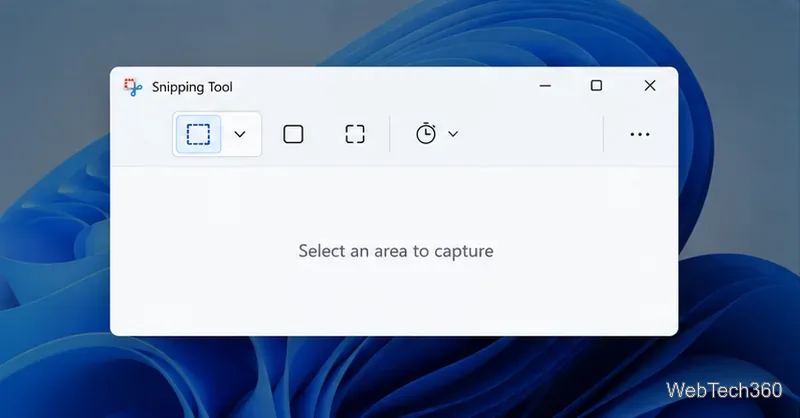
Fix common Snipping Tool problems in Windows 11 with steps to test the shortcut, update or repair the app, reinstall it, and restore missing capture notifications.
Imagine diving into your favorite game, only to be jolted by annoying micro stuttering that ruins the immersion. If you're on Windows 11 and battling these tiny frame drops, you're not alone. This issue can stem from driver conflicts, background processes, or system settings, but the good news is it's fixable. In this guide, we'll walk you through targeted, effective steps to fix Windows 11 micro stuttering in games, helping you reclaim smooth, buttery gameplay. Let's turn frustration into triumph—one tweak at a time!
Micro stuttering refers to those brief, almost imperceptible hitches in frame delivery during gaming, making gameplay feel choppy despite solid average FPS. On Windows 11, it's often linked to the OS's new architecture, like the heavier reliance on DirectStorage or scheduler optimizations that don't always play nice with older hardware.
Common culprits include outdated GPU drivers, power management glitches, or even VBS (Virtualization-Based Security) features. Don't worry—addressing these can transform your experience. Stick with us as we dive into fixes that have helped thousands of gamers worldwide.
Outdated or buggy drivers are a top cause of micro stuttering in games on Windows 11. NVIDIA, AMD, and Intel regularly release updates tailored for the latest OS builds.
After installing, restart your PC and test in-game. Pro tip: Perform a clean install to wipe old driver remnants—this often resolves lingering stutters instantly.
Windows 11's aggressive power-saving can throttle your GPU during gaming, causing micro stuttering. Let's optimize for performance.
For laptops, plug in during gaming to avoid battery mode limitations. Users report up to 30% smoother frames after this simple change—your setup deserves it!
Windows 11 runs a ton of background tasks that hog resources, leading to stuttering in games. Time to declutter.
| Feature | Why Disable? | How to Disable |
|---|---|---|
| Game Bar & Background Recording | Consumes CPU/GPU cycles | Settings > Gaming > Xbox Game Bar > Turn off |
| Virtualization-Based Security (VBS) | Reduces gaming performance by ~10-20% | Search "Core Isolation" in Settings > Turn off Memory Integrity |
| Hardware-Accelerated GPU Scheduling | Can cause inconsistencies on some hardware | Settings > System > Display > Graphics settings > Toggle off if issues persist |
| Startup Apps | Frees up RAM for games | Task Manager > Startup tab > Disable non-essentials |
Reboot after changes and monitor with tools like MSI Afterburner. You'll feel the difference—smoother sails ahead! 🚀
Sometimes, the fix lies in balancing your game's demands with Windows 11's capabilities. Overly ambitious settings can trigger stutters.
Test with benchmarks like 3DMark to quantify improvements. It's empowering to see those numbers climb!
Ensure your OS is current—Microsoft's latest patches often include gaming optimizations. Go to Settings > Windows Update > Check for updates.
Run the built-in troubleshooter: Search "Troubleshoot settings" > Other troubleshooters > Run the "Hardware and Devices" one. For deeper cleans, use SFC /scannow in Command Prompt (admin mode) to repair corrupted files.
If malware is sneaking in, a quick scan with Windows Security can prevent resource drains. Clean system = happy gaming. 😊
If stutters persist, dive deeper. Check your RAM with MemTest86 for errors—faulty modules love causing frame hiccups. Overclocking your GPU cautiously via Afterburner can help, but monitor temps to avoid crashes.
For DirectX issues, reinstall via the Microsoft site: Download the latest DirectX End-User Runtime. And if you're on an older CPU, consider disabling Full-Screen Optimizations in game properties (right-click exe > Properties > Compatibility tab).
These tweaks have turned nightmare sessions into epic wins for many. Persistence pays off!
To keep micro stuttering at bay, use monitoring software like HWMonitor or Task Manager's Performance tab. Aim for consistent CPU/GPU usage without spikes.
Regular maintenance—like monthly driver updates and disk cleanups—ensures your Windows 11 gaming stays flawless. Join communities like Reddit's r/Windows11 or r/pcgaming for shared tips; you're part of a supportive crew now.
By following these steps, you'll banish Windows 11 micro stuttering in games and level up your playtime. Ready to game without interruptions? Dive in, apply these fixes, and share your success in the comments below. Smooth victories await! 🎮
Fix common Snipping Tool problems in Windows 11 with steps to test the shortcut, update or repair the app, reinstall it, and restore missing capture notifications.
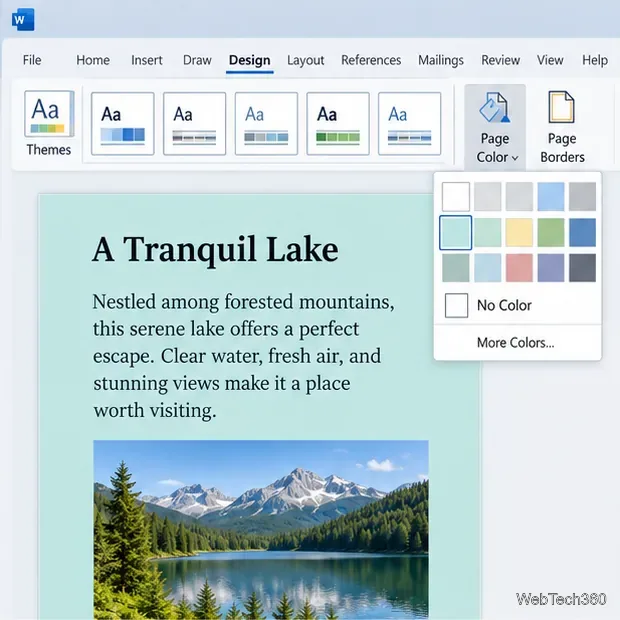
Choose a color-capable printer, enable Word’s background-print setting, and check the preview so page colors, images, and graphics print as expected.
Learn how to use WinX DVD Ripper to convert a DVD you’re entitled to copy into an MP4 file, choose the right title and destination, and troubleshoot playback problems on Windows 10 or 11.
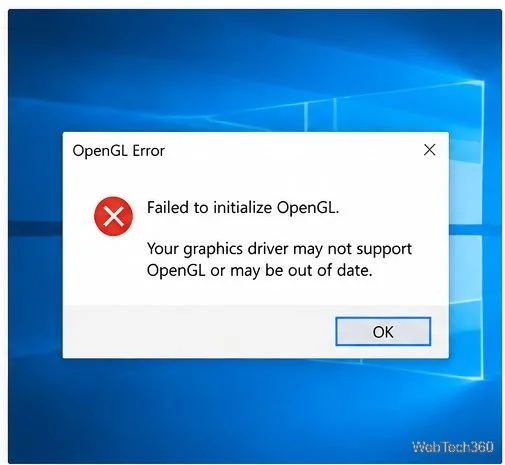
Troubleshoot OpenGL errors in Windows 10 by checking graphics drivers, repairing system files, reinstalling the affected app, and reviewing graphics settings.
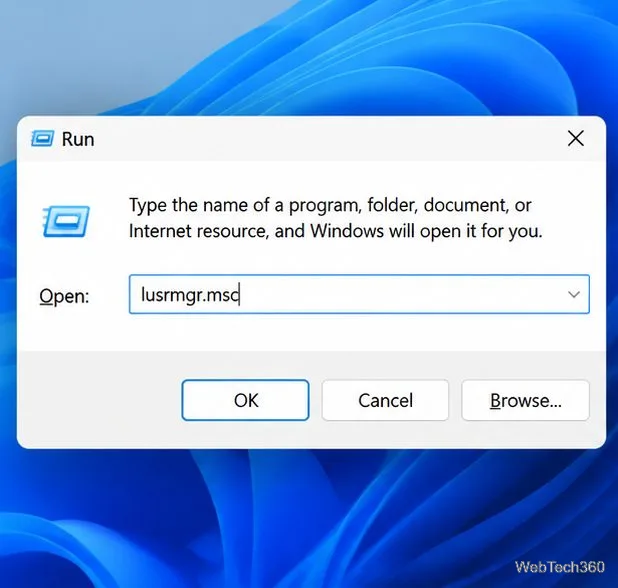
Learn when to use net user, lusrmgr.msc, and net localgroup to view, create, disable, and manage local Windows accounts safely.
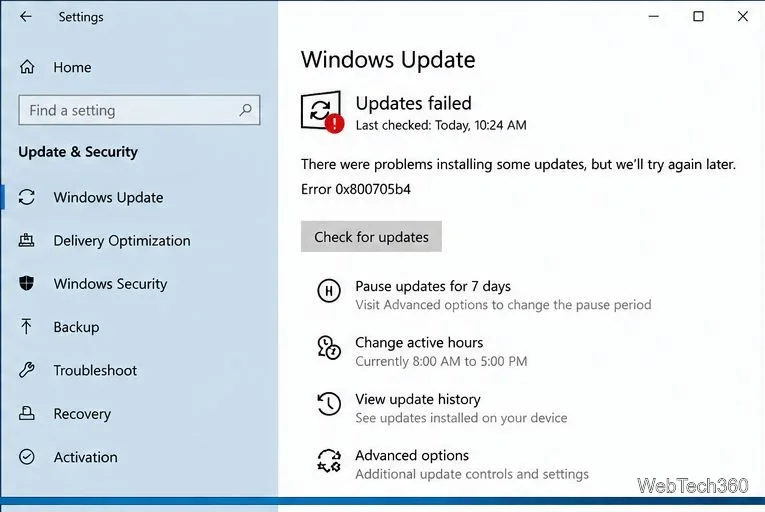
Resolve Windows Update error 0x800705b4 with practical checks for connectivity, update services, cached files, and damaged Windows system components.
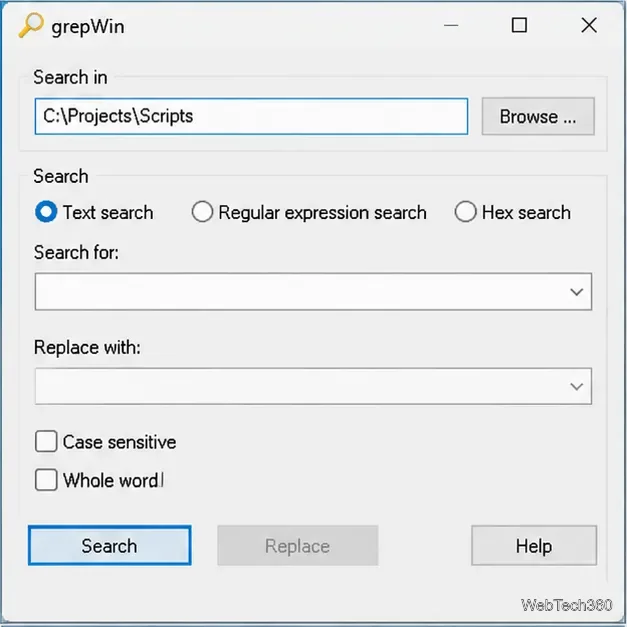
Find words or phrases across multiple text files on Windows 10 with grepWin. Learn how to choose folders, filter file types, include subfolders, and read matches safely.
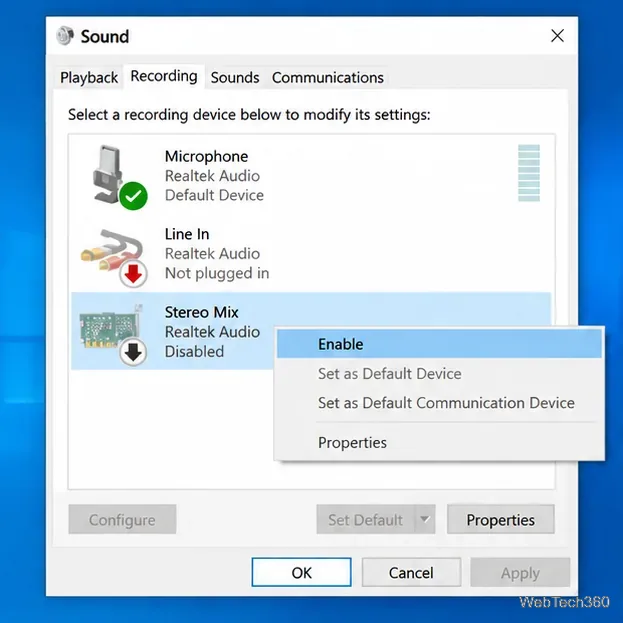
Capture your PC’s playback with FFmpeg on Windows 10. Enable Stereo Mix or use a loopback device, find its DirectShow name, and save clean audio.
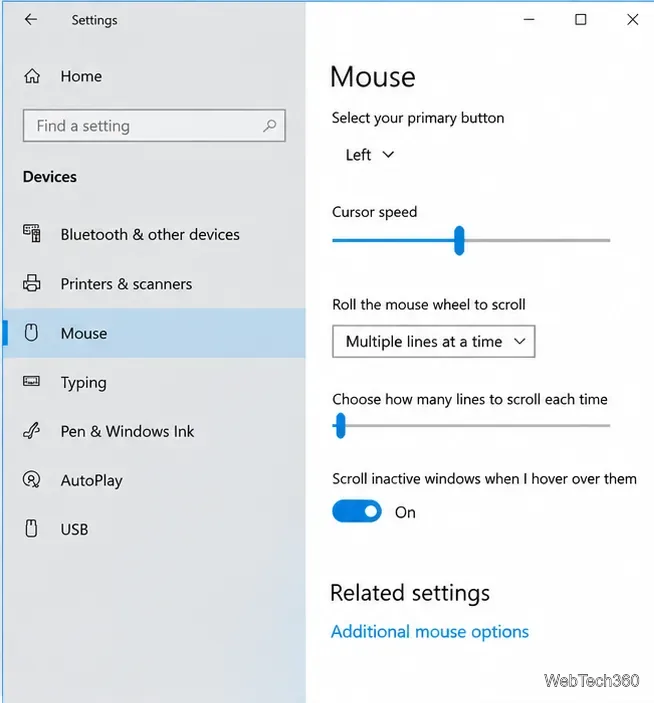
Learn how to adjust Windows 10 mouse pointer speed, change pointer precision, and set hardware DPI with a supported gaming mouse or manufacturer app.
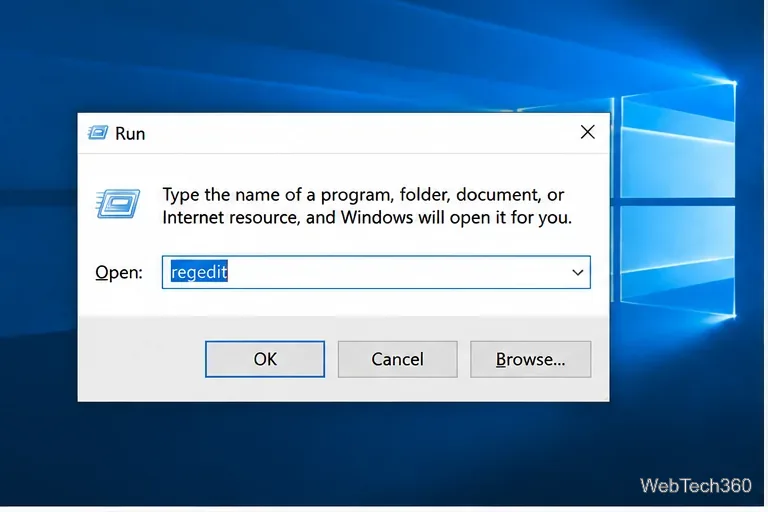
Learn what the legacy Edge blocker registry setting does, how to set it safely, and why it will not stop updates for Microsoft Edge already installed.