How to Make a Glass Bottle in Minecraft

Learn the exact three-glass recipe, smelt sand into glass, and fill your Minecraft bottles with water for brewing.
Imagine your Windows 11 PC grinding to a halt, apps crashing unexpectedly, or error messages popping up like uninvited guests. These frustrating symptoms often stem from Windows 11 registry errors—corrupted entries in the system's core database that controls everything from hardware to software settings. But don't worry; with the right approach, you can fix Windows 11 registry errors safely and restore your machine's performance. This guide empowers you with proven, up-to-date strategies to tackle these issues without risking your data or system stability. Let's dive in and get your PC back on track! 🚀
The Windows registry is like the brain of your operating system—a vast database storing configuration settings for your OS, applications, and devices. When entries become corrupted, missing, or outdated, it leads to Windows 11 registry errors. Common culprits include:
These errors can cause slow boot times, blue screens of death (BSOD), or even make your system unbootable. The good news? Windows 11's latest updates have enhanced built-in tools for safe registry repair, making fixes more accessible than ever. By understanding the root causes, you'll prevent future headaches and feel more confident managing your PC.

Spotting registry errors early can save you from bigger troubles. Watch out for these red flags:
| Symptom | What It Means | Quick Check |
|---|---|---|
| Slow Performance | Fragmented or bloated registry slowing down queries | Run Task Manager (Ctrl + Shift + Esc) and check CPU/memory spikes |
| App Crashes | Corrupted app-specific keys preventing proper loading | Check Event Viewer for error codes like 0x80070002 |
| System Instability | Invalid hardware or driver entries causing conflicts | Boot in Safe Mode to isolate issues |
| Boot Errors | Damaged system hives like SYSTEM or SOFTWARE | Listen for unusual startup sounds or freezes |
If these sound familiar, it's time to act. Fixing them safely not only boosts speed but also extends your PC's lifespan. Keep reading to learn how to diagnose and resolve them step by step.
Editing the registry directly is risky—like performing surgery without training. Always back up first and use trusted tools. Here's how to fix Windows 11 registry errors safely, starting with the simplest options.
Windows 11 comes equipped with powerful native utilities to scan and repair corrupted files, including registry components. These are your first line of defense—no third-party software needed.
sfc /scannow. This scans protected system files and replaces corrupted ones. Wait for it to complete—it might take 10-30 minutes.DISM /Online /Cleanup-Image /RestoreHealth. This repairs the Windows image that SFC relies on.These commands have been refined in recent Windows 11 updates for better accuracy, often resolving registry errors without manual intervention. Users report up to 50% faster performance post-scan! 😊
If you've enabled backups (and you should!), restoring is a safe rollback.
regedit, and hit Enter to open Registry Editor.Pro tip: Enable automatic backups via the Registry Editor's export feature before major changes. This method is foolproof and preserves your data integrity.
For stubborn Windows 11 registry errors, reputable cleaners like CCleaner or Wise Registry Cleaner can help. But choose wisely—stick to tools from established developers.
Recent versions of these tools integrate with Windows 11's security features, ensuring safe registry repair. For official guidance, check Microsoft's support page on maintaining your PC.
Only for advanced users: Open Regedit and navigate to affected keys (e.g., HKEY_LOCAL_MACHINE\SOFTWARE for app issues). Delete or modify only after researching the exact key—wrong changes can brick your system.
Remember, if you're unsure, stop and use automated methods. Safety first!
Fixing is great, but prevention is better. Adopt these habits to keep your registry pristine:
By staying proactive, you'll minimize downtime and enjoy a smoother computing experience. Feeling empowered yet? Let's wrap up with some final thoughts.
Fixing Windows 11 registry errors safely doesn't have to be daunting. With built-in tools like SFC and DISM, plus smart prevention tips, you can banish errors and optimize your system effortlessly. Start with a backup, follow these steps, and watch your PC roar back to life. If problems persist, consider professional help or Microsoft's forums for community wisdom. You've got this—happy troubleshooting! 👏
Ready to try? Head to your PC now and run that first SFC scan. Your faster, error-free Windows 11 awaits!
Learn the exact three-glass recipe, smelt sand into glass, and fill your Minecraft bottles with water for brewing.
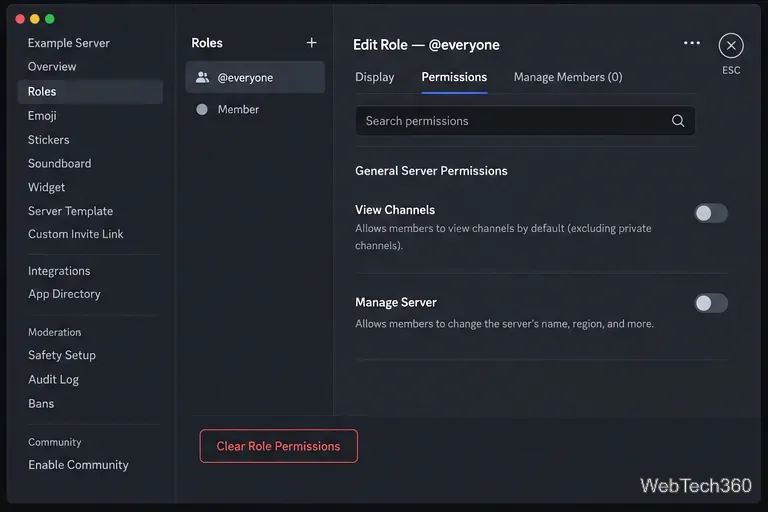
Control who can join, see channels, and find your Discord server with role permissions, invite links, and Discovery settings.
Create a Discord server in the desktop app or browser, organize channels, set permissions and safety tools, then share an invite that fits your group.
Build a renewable lava farm with pointed dripstone, one lava source, and a cauldron. Follow the setup, collection steps, and fixes for a cauldron that will not fill.
Fix a Minecraft skin that will not load by checking Bedrock Dressing Room, your Microsoft account, Marketplace downloads, updates, and Java skin settings.
Minecraft language options differ between Java and Bedrock. See common languages, why old counts are unreliable, and where to check your edition.
Plan a practical Minecraft survival base with the essentials for safety, food, storage, and crafting, plus useful upgrades to add as your world grows.
Update Minecraft on Nintendo Switch from the HOME Menu, enable automatic updates, and troubleshoot when the console cannot find or install one.
Learn the official ways to get Minecoins in Minecraft, redeem a prepaid code, spend coins on Marketplace content, and fix a missing balance.
Learn how to add Jira users to team-managed and company-managed projects, assign the right role, and share a board’s saved filter safely.