How to Fix Snipping Tool Issues on Windows 11
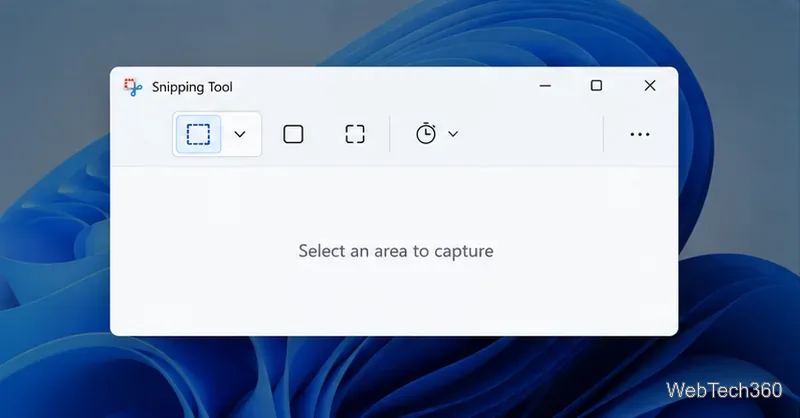
Fix common Snipping Tool problems in Windows 11 with steps to test the shortcut, update or repair the app, reinstall it, and restore missing capture notifications.
Imagine logging into your Windows 11 PC knowing every piece of your data is locked down tight— no unwanted tracking, no invasive ads, just pure, personalized computing. In 2026, with the latest updates emphasizing user empowerment, setting up your Windows 11 privacy settings has never been more straightforward or essential. Whether you're a privacy enthusiast or just want to safeguard your digital life, this guide walks you through the process step by step. You'll feel empowered and secure by the end, ready to enjoy a clutter-free experience. Let's dive in and reclaim your privacy! 🚀
The digital world in 2026 is buzzing with connectivity, but that means more eyes on your data than ever. Windows 11 comes packed with robust tools to control what Microsoft, apps, and advertisers see. By tweaking these settings, you minimize data collection, reduce targeted ads, and boost your overall security. It's not just about protection—it's about peace of mind. According to Microsoft's official documentation, proper configuration can cut down on telemetry by up to 75%, giving you back control over your info.
Ready to start? We'll cover the essentials: from general privacy options to app-specific permissions. Follow along, and you'll have your setup dialed in no time. 😊
Getting to the heart of setup Windows 11 privacy 2026 is simple. Here's how:
Pro tip: For quicker access, search "Privacy" in the Windows search bar. Boom—straight to the good stuff. Now that you're there, let's break down the key sections.
Start broad and build from there. Under Privacy & security > Privacy, you'll find toggles that control how Windows handles your data at a system level.
After these tweaks, your PC runs leaner and more privately. Feeling good? Let's move to location and camera controls—vital for mobile or hybrid setups in 2026.
In an era of always-on devices, controlling access to your location, camera, and mic is non-negotiable. Head to the respective tabs under Privacy.
| Permission Type | Key Settings | Why It Matters |
|---|---|---|
| Location | Turn off global location access, then per-app permissions. Deny apps like weather or maps if not essential. | Prevents tracking your whereabouts, essential for privacy in 2026's connected world. |
| Camera | Disable for all apps by default; enable only for trusted ones like Zoom. | Stops unauthorized peeks—think webcam hacks. Peace of mind during video calls! |
| Microphone | Similar to camera: Global off, selective on. Review app list regularly. | Guards against eavesdropping, especially with AI assistants everywhere. |
These settings are game-changers. Imagine denying a sneaky app access to your mic— that's you taking charge! For more details, check Microsoft's guide: Windows Privacy Settings.
Apps are the sneaky ones—they love running in the background, slurping data. In the Privacy menu, explore tabs like App permissions and Background apps.
✨ Fun fact: In 2026's updates, Windows 11 now highlights high-data apps with a warning icon. Use it to audit and revoke permissions swiftly. Your setup is shaping up nicely—keep going for the advanced tweaks.
Want to go deeper? 2026's Windows 11 introduces enhanced diagnostics controls. In Privacy & security > Diagnostics & feedback:
For network-savvy users, enable the firewall in Windows Security (search for it) and review inbound rules. This blocks unauthorized access at the gate. If you're dealing with sensitive work, consider Windows Hello for biometric logins—secure and seamless.
These steps aren't just technical; they build confidence. You're not just setting up—you're fortifying your digital fortress. 👏
Even pros slip up. Watch for:
If something feels off, reset privacy settings via Reset in the Privacy menu. It's a safety net that restores defaults without hassle.
Congrats! You've now mastered Windows 11 privacy settings setup in 2026. From general toggles to app lockdowns, your PC is optimized for privacy without sacrificing usability. The best part? You'll notice fewer distractions and a smoother experience daily. Stay vigilant—review settings quarterly, and explore Windows Security for ongoing threats.
Got questions or a favorite tweak? Drop a comment below—we're all in this privacy quest together. Your secure computing adventure starts now! 🌟
Fix common Snipping Tool problems in Windows 11 with steps to test the shortcut, update or repair the app, reinstall it, and restore missing capture notifications.
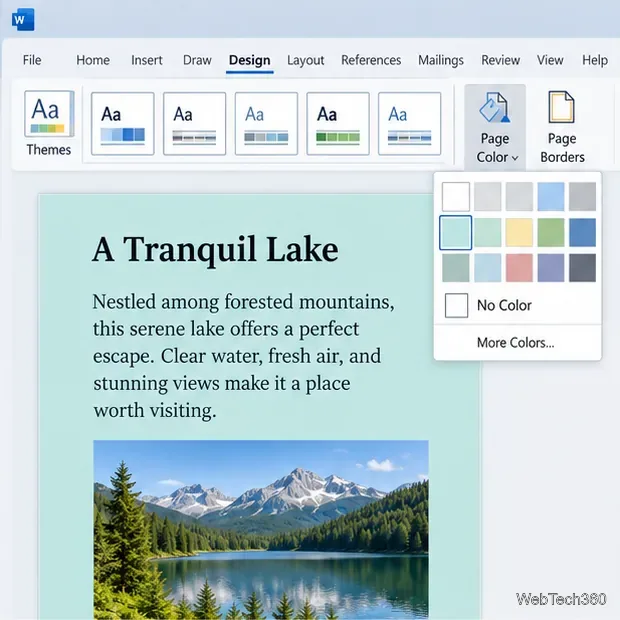
Choose a color-capable printer, enable Word’s background-print setting, and check the preview so page colors, images, and graphics print as expected.
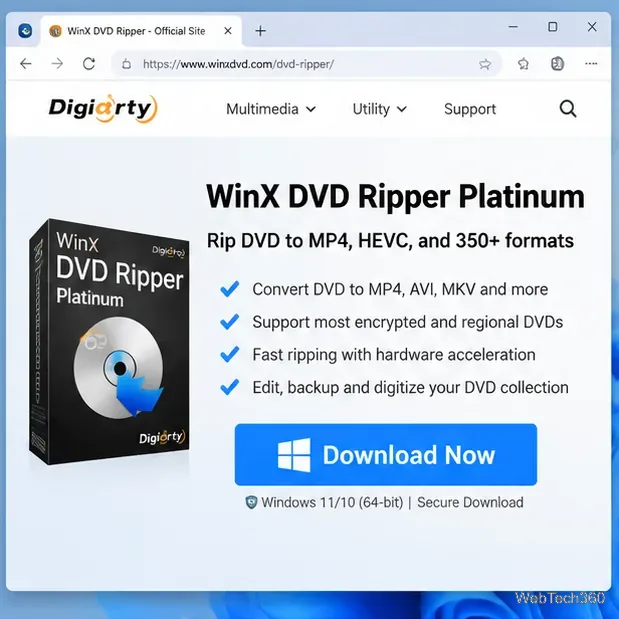
Learn how to use WinX DVD Ripper to convert a DVD you’re entitled to copy into an MP4 file, choose the right title and destination, and troubleshoot playback problems on Windows 10 or 11.
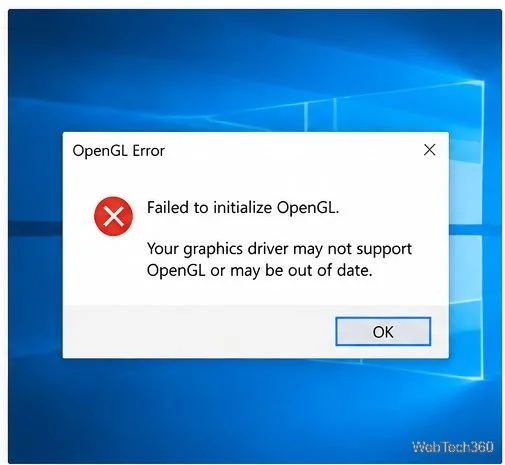
Troubleshoot OpenGL errors in Windows 10 by checking graphics drivers, repairing system files, reinstalling the affected app, and reviewing graphics settings.
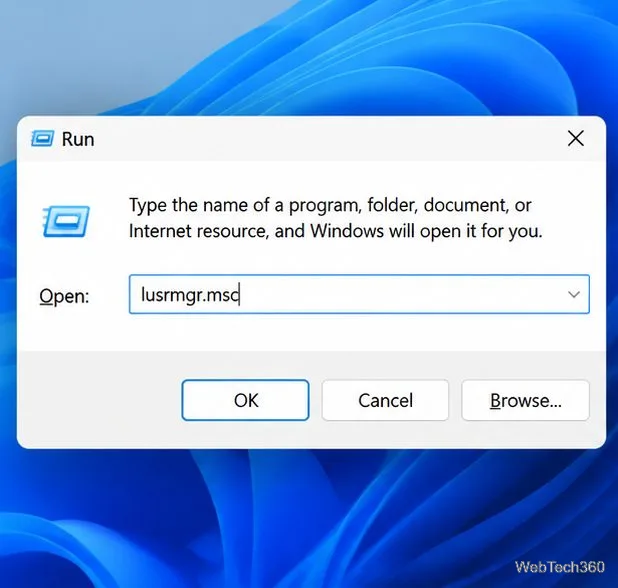
Learn when to use net user, lusrmgr.msc, and net localgroup to view, create, disable, and manage local Windows accounts safely.
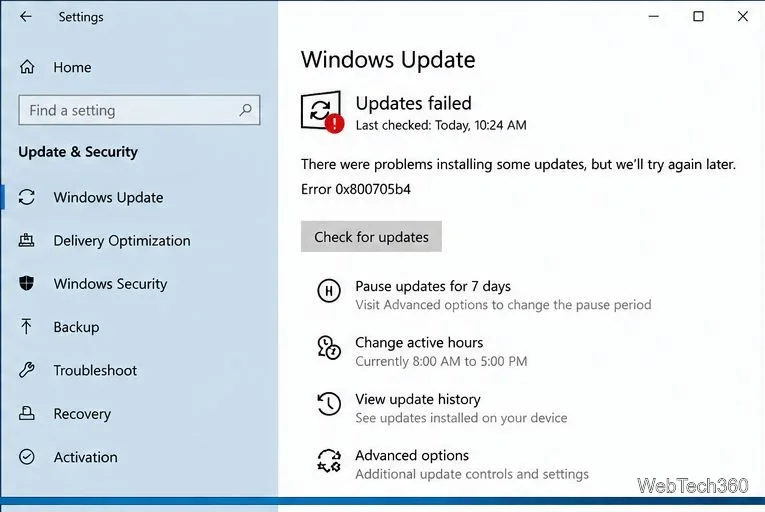
Resolve Windows Update error 0x800705b4 with practical checks for connectivity, update services, cached files, and damaged Windows system components.
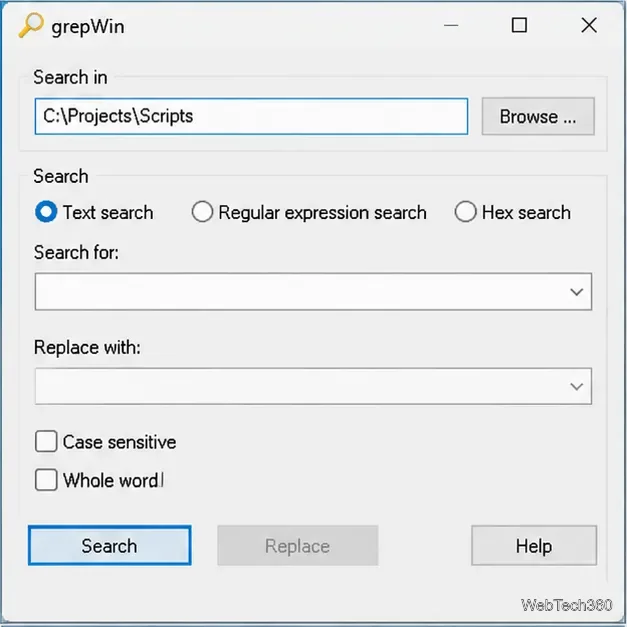
Find words or phrases across multiple text files on Windows 10 with grepWin. Learn how to choose folders, filter file types, include subfolders, and read matches safely.
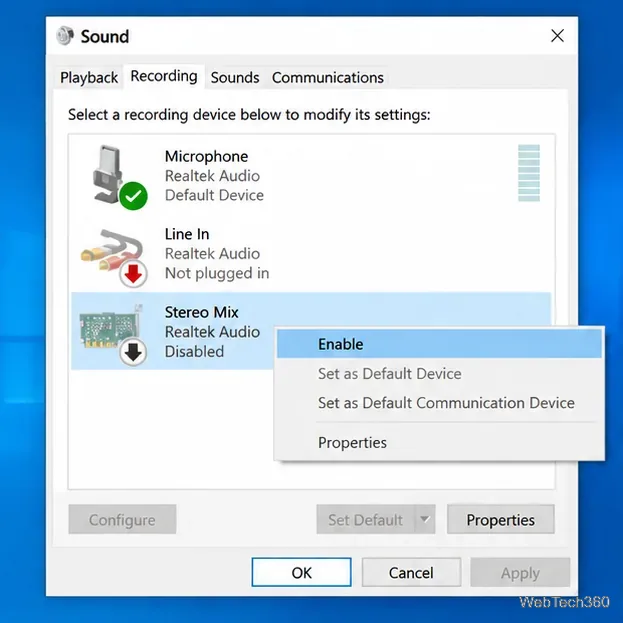
Capture your PC’s playback with FFmpeg on Windows 10. Enable Stereo Mix or use a loopback device, find its DirectShow name, and save clean audio.
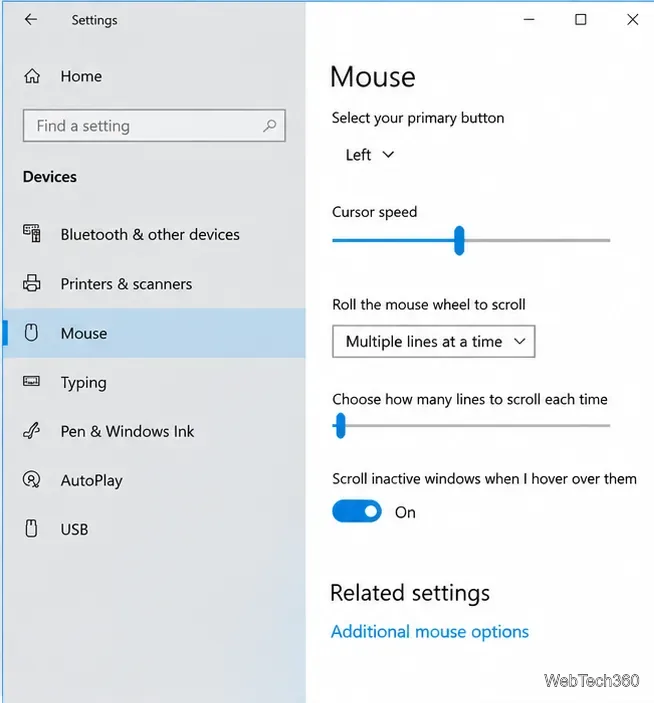
Learn how to adjust Windows 10 mouse pointer speed, change pointer precision, and set hardware DPI with a supported gaming mouse or manufacturer app.
Learn what the legacy Edge blocker registry setting does, how to set it safely, and why it will not stop updates for Microsoft Edge already installed.