How to Make a Glass Bottle in Minecraft
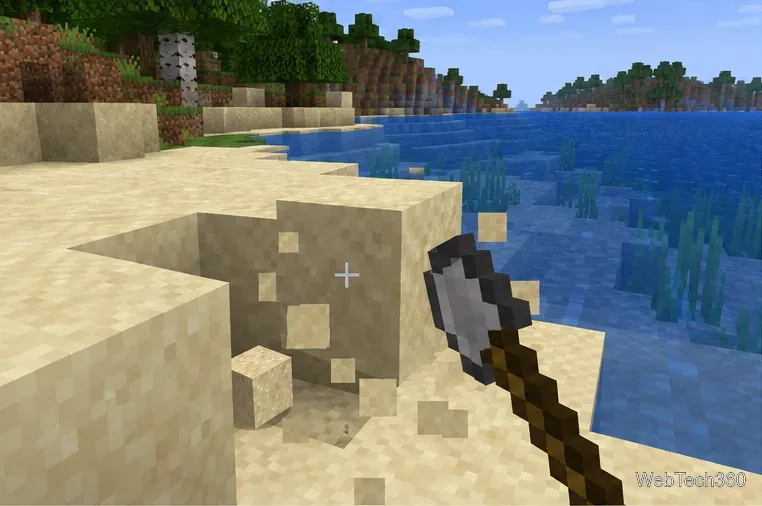
Learn the exact three-glass recipe, smelt sand into glass, and fill your Minecraft bottles with water for brewing.
Imagine navigating your PC effortlessly, regardless of physical or cognitive challenges. In 2026, Windows 11 accessibility features have evolved to make computing truly inclusive, empowering users with disabilities and enhancing productivity for all. Whether you're dealing with visual impairments, hearing difficulties, or motor limitations, these tools are designed to adapt to your needs. This guide dives straight into the essentials, helping you activate and optimize these features for a seamless experience. Let's explore how to harness them step by step, starting with the basics and building toward advanced options.
Activating Windows 11 accessibility features is straightforward and takes just minutes. Head to Settings > Accessibility from the Start menu. Here, you'll find a centralized hub with toggles for everything from magnification to narration. For the latest 2026 updates, ensure your system is up to date via Settings > Windows Update—these enhancements include improved AI-driven adaptations for personalized support.
👆 Pro Tip: Customize your quick access by pinning the Accessibility settings to your taskbar. This small step can transform daily interactions, making your device feel like a true extension of yourself.
For those with low vision, Windows 11 accessibility features shine with tools like Magnifier and Color Filters. Magnifier zooms in on screen sections up to 200% without distortion, perfect for reading fine text or spotting details in images.
To use Magnifier:
High Contrast mode, updated in 2026 for better color accuracy, applies bold outlines and vibrant themes to apps and interfaces. Enable it in Settings > Accessibility > Contrast themes. Select from presets like "Desert" or create custom ones to reduce eye strain during long sessions.
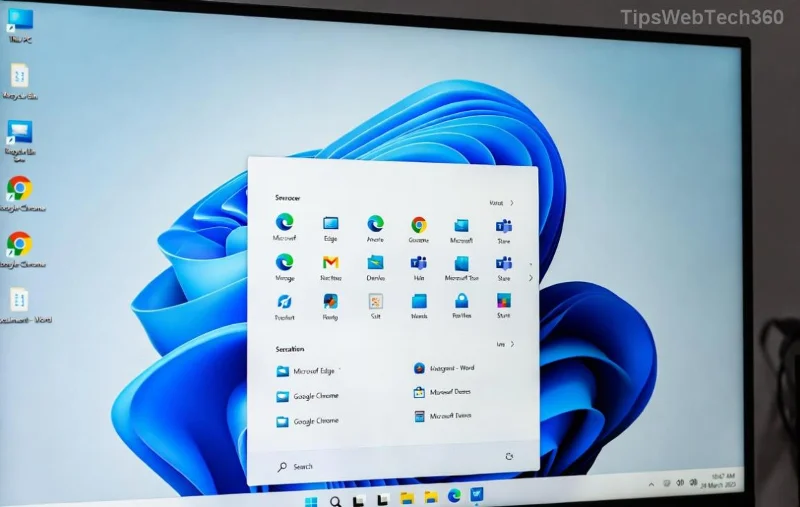
These features not only aid visibility but foster independence, turning potential frustrations into smooth workflows. Imagine editing photos or browsing without squinting—it's liberating!
Windows 11 accessibility features in 2026 prioritize auditory inclusivity with real-time captions and enhanced Narrator. Live Captions transcribe audio from videos, calls, or meetings in over 100 languages, including offline support for privacy-focused users.
Enable Live Captions:
Narrator, the built-in screen reader, now integrates AI for more natural voice synthesis and context-aware descriptions. Launch it with Windows key + Ctrl + Enter, then navigate using keyboard shortcuts like arrow keys for text and Tab for controls. For hearing aids, Mono Audio and Audio Duckling balance sounds, ensuring nothing gets lost in the mix.
These tools create emotional connections too—picture following a heartfelt video without missing a word, or having documents read aloud during a commute. It's about accessibility that feels personal and supportive.
Mobility challenges? Windows 11 accessibility features offer innovative input methods. Voice Typing, powered by advanced speech recognition, lets you dictate emails or commands hands-free with up to 99% accuracy in noisy environments.
Start Voice Typing:
For advanced needs, Eye Control uses your webcam to track gaze for cursor movement and clicks—ideal for those with limited hand use. Set it up in Settings > Accessibility > Eye control, calibrate with on-screen prompts, and pair it with dwell-clicking for seamless navigation.
Additionally, the updated Sticky Keys and Filter Keys reduce accidental inputs, while Mouse Keys allow keyboard-based pointing. These aren't just tools; they're gateways to creativity, like designing art or coding without physical barriers.
In 2026, Windows 11 accessibility features address cognitive overload with Focus Sessions and Reading Mode. Focus Assist filters notifications during work, customizable in Settings > System > Focus assist to allow only priority apps.
Text Cursor Indicator highlights your typing position, and the Immersive Reader (in Edge browser) simplifies web pages by removing clutter, adjusting spacing, and reading aloud. Access it by right-clicking text and selecting "Immersive Reader."
These features promote mental clarity, helping users with ADHD or dyslexia stay engaged without overwhelm. It's empowering to focus on what matters, boosting confidence in every task.
Take control with Accessibility Profiles in Settings > Accessibility > Profiles. Save personalized setups—like combining Magnifier with Narrator—for quick switching across scenarios. Integrate with third-party apps via the Microsoft Store, such as enhanced Braille displays or custom keyboards.
For families, set up shared profiles on multi-user devices, ensuring everyone benefits. Remember, these tools evolve; check for updates regularly to access the newest AI enhancements, like predictive text for autocorrect in diverse languages.
Encounter glitches? Restarting the Ease of Access settings often resolves them. If Voice Typing stutters, ensure your microphone permissions are granted in Settings > Privacy & security > Microphone. For deeper support, visit Microsoft's official resources:
Microsoft Windows Accessibility Support provides verified guides and community forums.
| Feature | Shortcut | Best For |
|---|---|---|
| Magnifier | Win + + | Low Vision |
| Voice Typing | Win + H | Motor Limitations |
| Narrator | Win + Ctrl + Enter | Blind Users |
| Live Captions | Settings Toggle | Deaf Users |
This table summarizes key Windows 11 accessibility features for quick reference—bookmark it for easy access!
Embracing Windows 11 accessibility features isn't just about compliance; it's about building a world where technology serves everyone equally. As we move forward, these tools continue to innovate, incorporating feedback from global users to refine inclusivity. Start experimenting today—your setup could inspire others. Ready to dive deeper? Share your experiences in the comments or explore related guides on customizing your Windows environment for peak productivity.
With these steps, you're set to make Windows 11 work for you. Feel the difference and embrace an accessible future! 🎉
Learn the exact three-glass recipe, smelt sand into glass, and fill your Minecraft bottles with water for brewing.
Control who can join, see channels, and find your Discord server with role permissions, invite links, and Discovery settings.
Create a Discord server in the desktop app or browser, organize channels, set permissions and safety tools, then share an invite that fits your group.
Build a renewable lava farm with pointed dripstone, one lava source, and a cauldron. Follow the setup, collection steps, and fixes for a cauldron that will not fill.
Fix a Minecraft skin that will not load by checking Bedrock Dressing Room, your Microsoft account, Marketplace downloads, updates, and Java skin settings.
Minecraft language options differ between Java and Bedrock. See common languages, why old counts are unreliable, and where to check your edition.
Plan a practical Minecraft survival base with the essentials for safety, food, storage, and crafting, plus useful upgrades to add as your world grows.
Update Minecraft on Nintendo Switch from the HOME Menu, enable automatic updates, and troubleshoot when the console cannot find or install one.
Learn the official ways to get Minecoins in Minecraft, redeem a prepaid code, spend coins on Marketplace content, and fix a missing balance.
Learn how to add Jira users to team-managed and company-managed projects, assign the right role, and share a board’s saved filter safely.