How to Fix Snipping Tool Issues on Windows 11
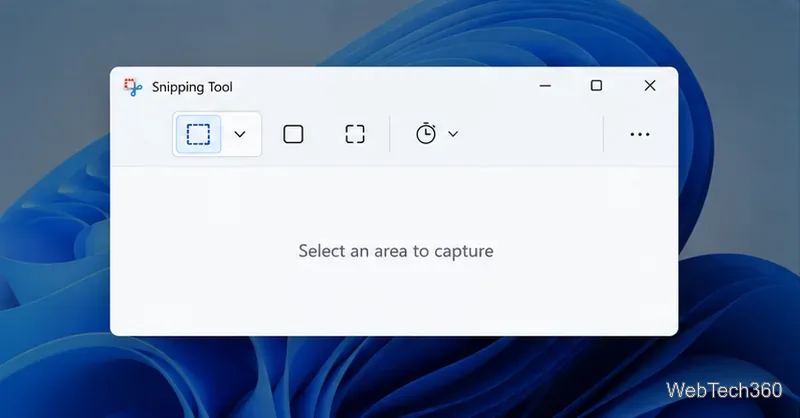
Fix common Snipping Tool problems in Windows 11 with steps to test the shortcut, update or repair the app, reinstall it, and restore missing capture notifications.
Imagine streaming 8K videos without a hitch, gaming online with zero lag, or transferring massive files in seconds. That's the promise of Wi-Fi 7, the latest wireless standard revolutionizing home networks. If you're upgrading to Windows 11 Wi-Fi 7 connectivity, you're in for a treat. This guide walks you through everything you need to know about how to set up Windows 11 Wi-Fi 7 connection, ensuring a smooth, frustration-free experience. Let's dive in and get your device connected to the future of wireless tech! 🌟
Wi-Fi 7, also known as IEEE 802.11be, is the newest evolution in wireless networking, offering speeds up to 46 Gbps—four times faster than Wi-Fi 6. It shines in crowded environments with features like Multi-Link Operation (MLO), which lets devices use multiple bands simultaneously for better efficiency and lower latency. For Windows 11 users, this means seamless integration with modern routers and adapters, perfect for smart homes, remote work, or high-bandwidth tasks.
Upgrading isn't just about speed; it's about reliability. Say goodbye to buffering during video calls or dropped connections in multi-device households. Windows 11, with its robust networking stack, supports Wi-Fi 7 natively in recent builds, making setup straightforward. If your current setup feels sluggish, this is your cue to level up. Ready to proceed? Let's check compatibility first.
Before jumping into setup, ensure your gear is Wi-Fi 7-ready. Not all devices support it yet, but the good news is Windows 11 handles the rest effortlessly.
To confirm your adapter's capabilities:
If your hardware isn't compatible, no worries! A simple upgrade can future-proof your setup. Pro tip: Brands like Asus and Linksys offer affordable Wi-Fi 7 options that pair perfectly with Windows 11. Once verified, you're set for the fun part.
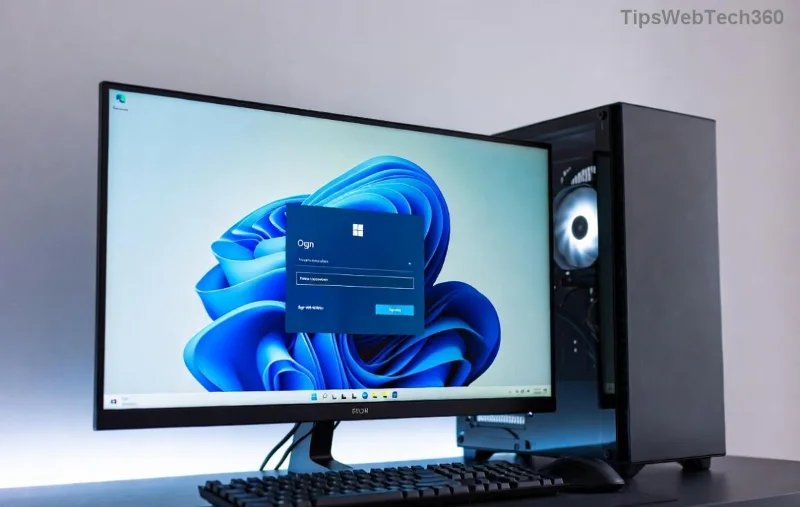
Outdated drivers can bottleneck even the best hardware. In Windows 11, keeping everything current unlocks full Wi-Fi 7 potential, including 320MHz channels and 4096-QAM modulation for those blazing speeds.
| Component | How to Update | Why It Matters for Wi-Fi 7 |
|---|---|---|
| Windows 11 OS | Go to Settings > Windows Update > Check for updates. Install any available patches. | Ensures native Wi-Fi 7 protocol support and security fixes. |
| Wi-Fi Drivers | Visit your manufacturer's site (e.g., Intel or Qualcomm) or use Device Manager > Right-click adapter > Update driver > Search automatically. | Enables MLO and reduces latency for Windows 11 Wi-Fi 7 connections. |
| Router Firmware | Log into router admin (usually 192.168.1.1) and check for updates in the dashboard. | Optimizes band steering and compatibility with Windows devices. |
After updates, restart your PC. This step alone can boost signal strength and stability. Feeling empowered? Great—now let's connect!
Setting up the actual Windows 11 Wi-Fi 7 connection is a breeze. Follow these steps for a secure, high-speed link.
Troubleshooting tip: If the 6GHz band doesn't show, confirm your region supports it (most do in the latest standards) and that your router's DFS channels are enabled. Boom—you're connected! Test speeds with a tool like Speedtest.net to see the difference.
Connection made? Now optimize for peak performance. Wi-Fi 7 thrives on fine-tuning, especially in Windows 11.
For gamers and streamers, enable QoS (Quality of Service) in your router settings to prioritize traffic. This keeps your Windows 11 Wi-Fi 7 setup lag-free. If issues persist, run the built-in troubleshooter: Settings > Network & internet > Advanced network settings > Network troubleshooter. It's like having a tech wizard on call! 😊
Even the smoothest setups hit bumps. Here's how to sidestep them:
These fixes keep things running smoothly, so you can enjoy uninterrupted Wi-Fi 7 bliss.
Setting up Windows 11 Wi-Fi 7 connection isn't just technical—it's liberating. Picture downloading a 100GB game in minutes or hosting lag-free virtual meetings. As more devices adopt this standard, your network becomes a powerhouse. We've covered the essentials, but explore further: Integrate with mesh systems for whole-home coverage or pair with 5G for hybrid setups.
Stick with us for more tips on emerging tech. Your faster, smarter connected world starts now—happy networking! 🚀
Fix common Snipping Tool problems in Windows 11 with steps to test the shortcut, update or repair the app, reinstall it, and restore missing capture notifications.
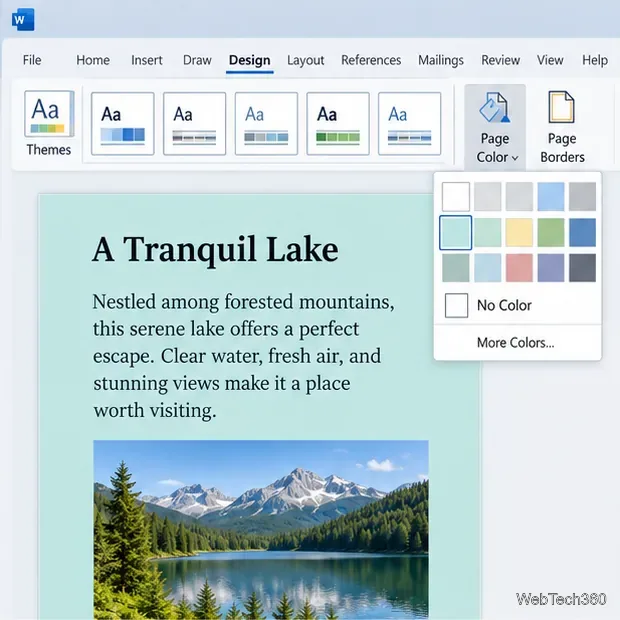
Choose a color-capable printer, enable Word’s background-print setting, and check the preview so page colors, images, and graphics print as expected.
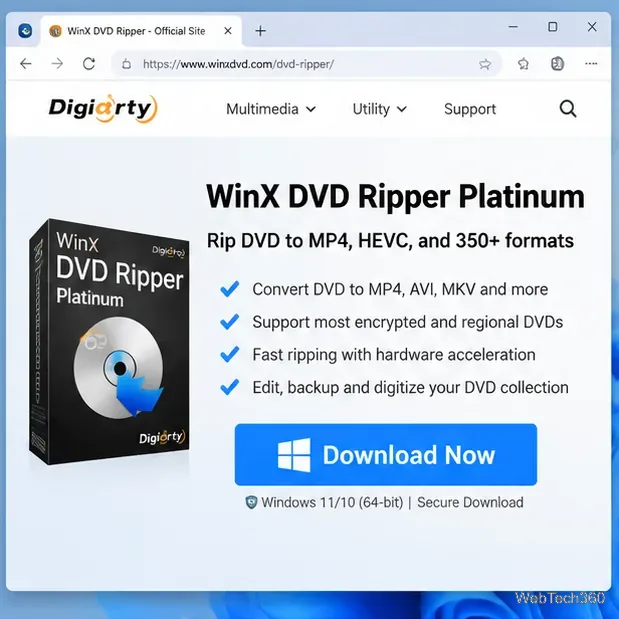
Learn how to use WinX DVD Ripper to convert a DVD you’re entitled to copy into an MP4 file, choose the right title and destination, and troubleshoot playback problems on Windows 10 or 11.
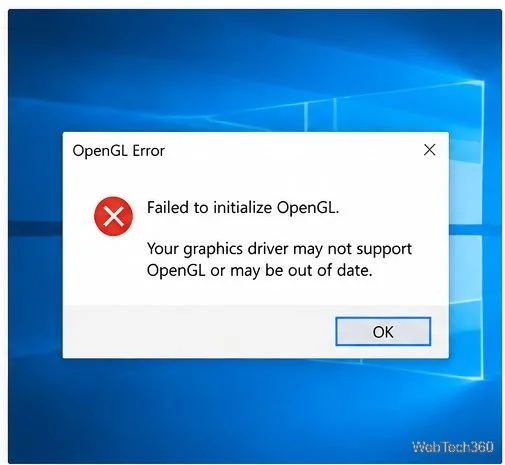
Troubleshoot OpenGL errors in Windows 10 by checking graphics drivers, repairing system files, reinstalling the affected app, and reviewing graphics settings.
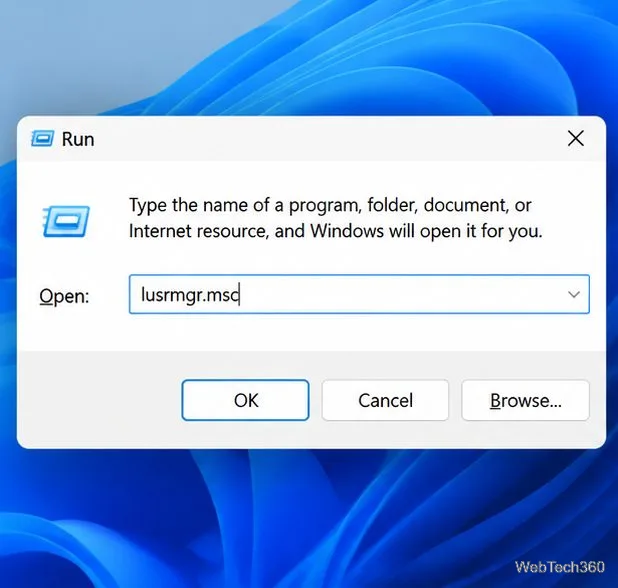
Learn when to use net user, lusrmgr.msc, and net localgroup to view, create, disable, and manage local Windows accounts safely.
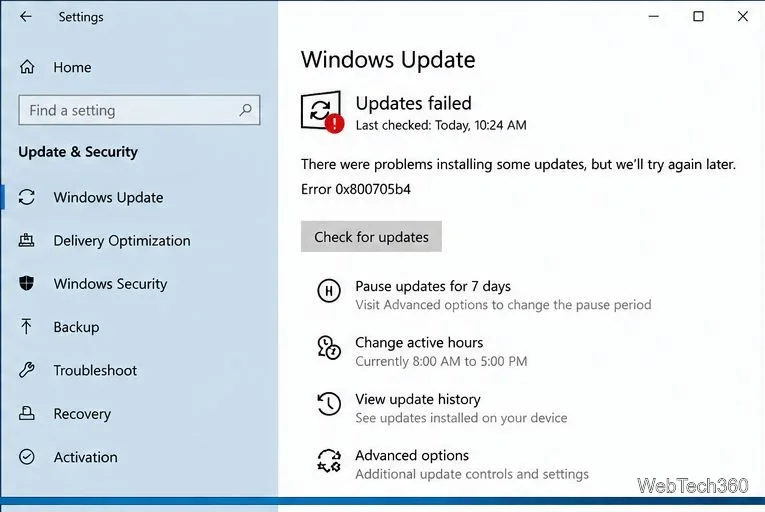
Resolve Windows Update error 0x800705b4 with practical checks for connectivity, update services, cached files, and damaged Windows system components.
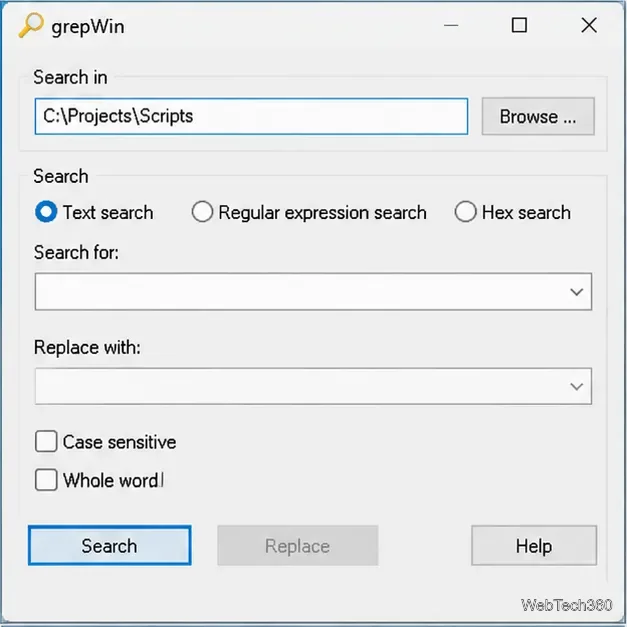
Find words or phrases across multiple text files on Windows 10 with grepWin. Learn how to choose folders, filter file types, include subfolders, and read matches safely.
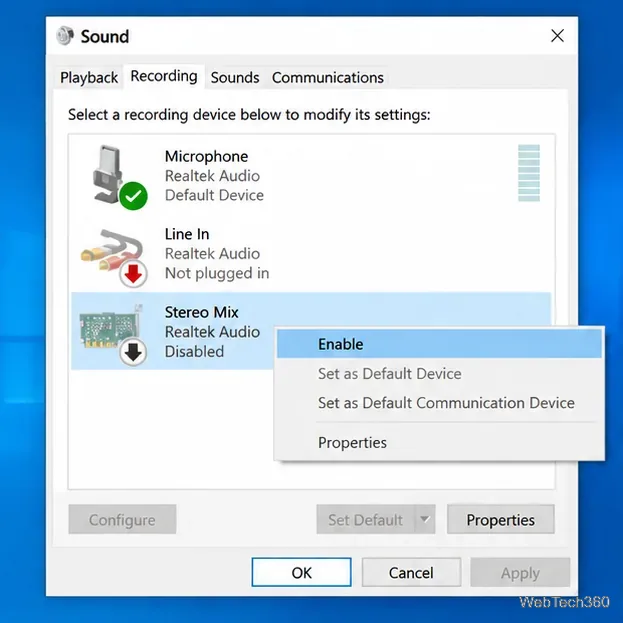
Capture your PC’s playback with FFmpeg on Windows 10. Enable Stereo Mix or use a loopback device, find its DirectShow name, and save clean audio.
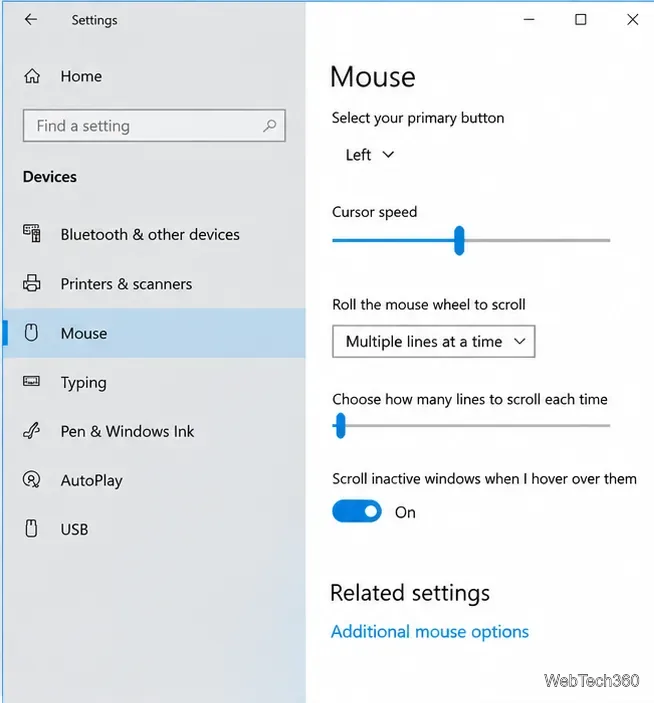
Learn how to adjust Windows 10 mouse pointer speed, change pointer precision, and set hardware DPI with a supported gaming mouse or manufacturer app.
Learn what the legacy Edge blocker registry setting does, how to set it safely, and why it will not stop updates for Microsoft Edge already installed.