How to Fix Snipping Tool Issues on Windows 11
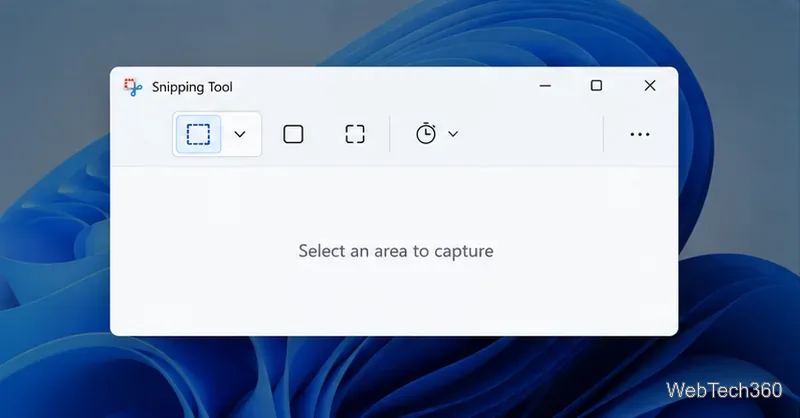
Fix common Snipping Tool problems in Windows 11 with steps to test the shortcut, update or repair the app, reinstall it, and restore missing capture notifications.
Is your shiny new SSD feeling sluggish on Windows 11? You're not alone. Many users report frustrating slowdowns due to SSD speed throttling, where read/write speeds drop far below advertised levels. The good news? It's often fixable with simple tweaks. In this guide, we'll dive straight into troubleshooting Windows 11 SSD speed throttling, empowering you to reclaim that lightning-fast storage you deserve. Let's get your system humming efficiently—no tech wizardry required! 😊
SSD speed throttling happens when your solid-state drive's performance is artificially limited, causing boot times to drag, file transfers to crawl, and apps to stutter. On Windows 11, this can stem from power management settings, outdated drivers, thermal limits, or even background processes hogging resources. Recent updates to Windows have improved storage handling, but glitches persist, especially with NVMe SSDs.
Why does this matter? A throttled SSD can make your PC feel outdated, wasting the investment in high-speed storage. But fear not—with the right fixes, you can boost speeds by up to 50% or more. We'll focus on safe, effective steps backed by Microsoft recommendations and user-tested solutions.

Ready to diagnose and fix? Follow these targeted steps. Start with the basics and escalate as needed. Each one is designed to be quick and reversible, so you can test improvements immediately using tools like CrystalDiskMark for benchmarking.
Outdated drivers are a prime culprit for SSD throttling. Windows 11's latest patches often include storage optimizations.
Pro tip: For NVMe drives, download the latest firmware from your manufacturer's site (like Samsung Magician or Intel SSD Toolbox). This can resolve thermal throttling without voiding warranties.
Windows 11's aggressive power-saving can throttle SSDs to conserve energy, especially on laptops. Let's dial it back.
This tweak alone has helped countless users eliminate Windows 11 SSD speed throttling. Test your speeds post-change— you'll likely notice snappier responsiveness! ⭐
Overheating is a sneaky throttle trigger. SSDs, particularly M.2 NVMe models, can hit 70°C+ under load, prompting automatic speed cuts.
Staying cool keeps speeds consistent. Imagine your files zipping along without interruption— that's the goal!
Fragmentation isn't an issue for SSDs, but junk files and misconfigurations can mimic throttling.
| Tool | Action | Expected Benefit |
|---|---|---|
| Storage Sense | Settings > System > Storage > Turn on Storage Sense | Auto-clears temp files, freeing SSD space for better performance |
| Defragment and Optimize Drives | Search for it, select your SSD, and click Optimize (TRIM enabled by default) | Ensures efficient garbage collection, reducing write throttling |
| CHKDSK | Run in Command Prompt (admin): chkdsk C: /f | Fixes file system errors that slow down reads/writes |
These optimizations are low-effort, high-reward. Run them weekly to maintain peak SSD speed.
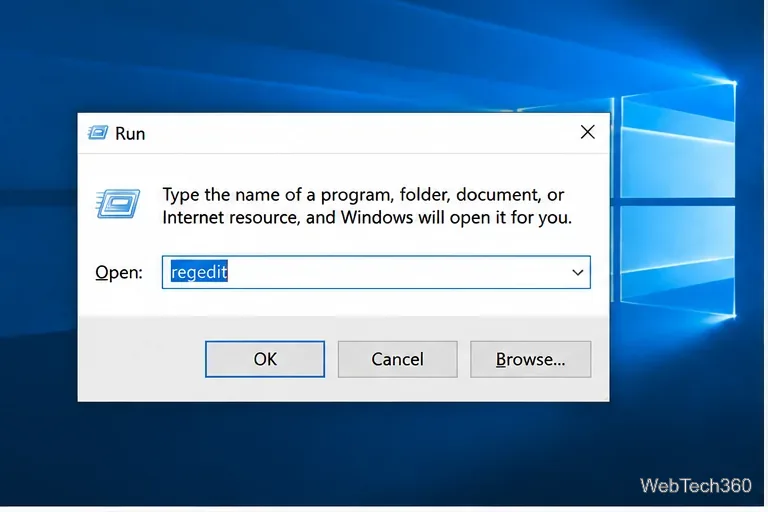
If basics don't cut it, try these cautiously. Always back up your registry first (search for regedit > File > Export).
⚠️ Warning: Registry edits can brick your system if mishandled. If unsure, consult a pro or use System Restore as a safety net.
After each step, benchmark with CrystalDiskMark (free download). Aim for sequential reads/writes matching your SSD's specs—e.g., 3500MB/s for a Gen3 NVMe. If speeds improve but dip under load, monitor with Task Manager's Performance tab for rogue processes.
For deeper insights, check Microsoft's official guide on optimizing Windows performance. It's a goldmine for storage tweaks.
To keep SSD speed throttling at bay:
By staying proactive, your SSD will deliver consistent speed, making every task feel effortless. You've got this—your PC will thank you with buttery-smooth operation! 👏
Troubleshooting Windows 11 SSD speed throttling doesn't have to be a headache. With these steps, most users see dramatic improvements, turning frustration into satisfaction. If issues persist, it could be hardware—consider running Microsoft's PC Health Check or consulting support.
Stick around for more tips on Windows optimization. What's your SSD setup? Share in the comments below—we'd love to hear how these fixes worked for you!
Fix common Snipping Tool problems in Windows 11 with steps to test the shortcut, update or repair the app, reinstall it, and restore missing capture notifications.
Choose a color-capable printer, enable Word’s background-print setting, and check the preview so page colors, images, and graphics print as expected.
Learn how to use WinX DVD Ripper to convert a DVD you’re entitled to copy into an MP4 file, choose the right title and destination, and troubleshoot playback problems on Windows 10 or 11.
Troubleshoot OpenGL errors in Windows 10 by checking graphics drivers, repairing system files, reinstalling the affected app, and reviewing graphics settings.
Learn when to use net user, lusrmgr.msc, and net localgroup to view, create, disable, and manage local Windows accounts safely.
Resolve Windows Update error 0x800705b4 with practical checks for connectivity, update services, cached files, and damaged Windows system components.
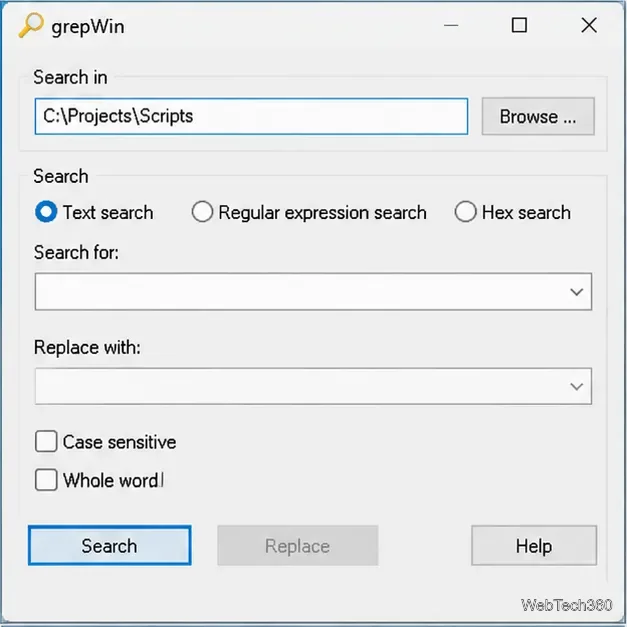
Find words or phrases across multiple text files on Windows 10 with grepWin. Learn how to choose folders, filter file types, include subfolders, and read matches safely.
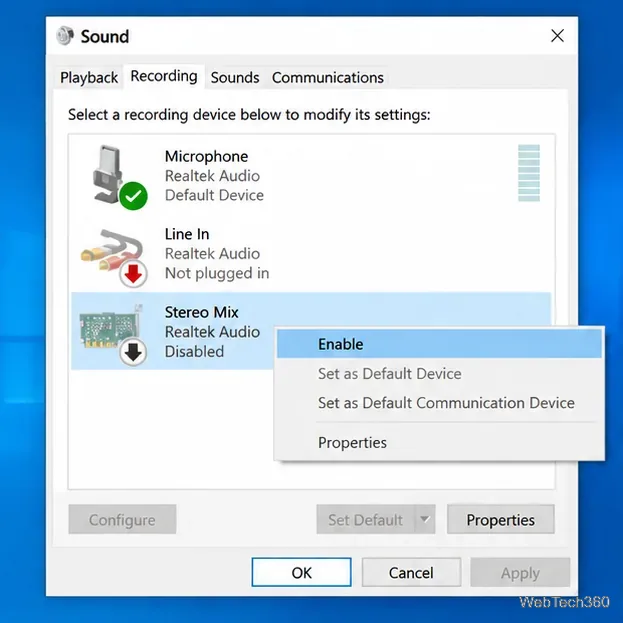
Capture your PC’s playback with FFmpeg on Windows 10. Enable Stereo Mix or use a loopback device, find its DirectShow name, and save clean audio.
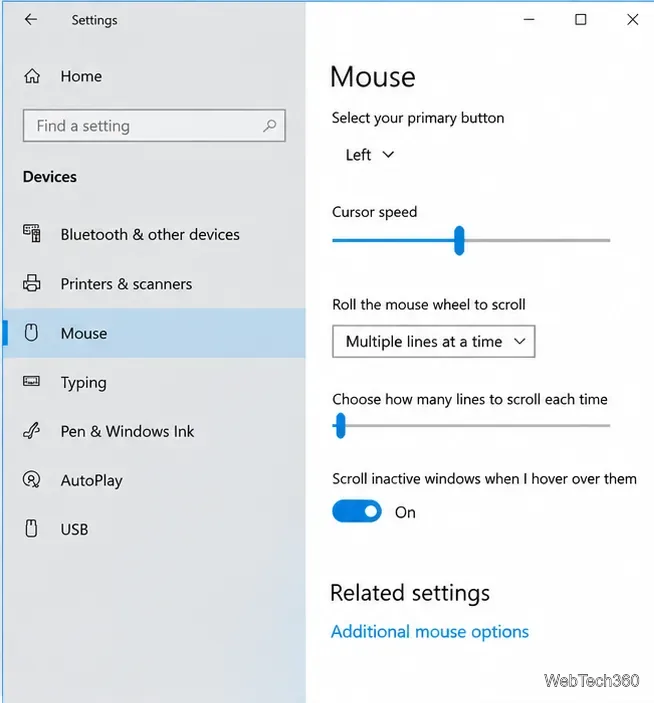
Learn how to adjust Windows 10 mouse pointer speed, change pointer precision, and set hardware DPI with a supported gaming mouse or manufacturer app.
Learn what the legacy Edge blocker registry setting does, how to set it safely, and why it will not stop updates for Microsoft Edge already installed.