How to Fix Snipping Tool Issues on Windows 11
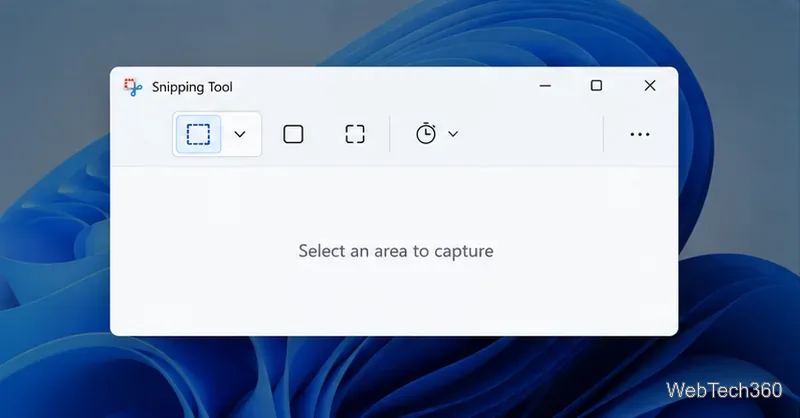
Fix common Snipping Tool problems in Windows 11 with steps to test the shortcut, update or repair the app, reinstall it, and restore missing capture notifications.
Imagine firing up your high-end gaming rig or creative workstation, only to be greeted by hazy, flickering transparency effects that ruin the immersive experience. If you're running Windows 11 with a multi-GPU setup, these transparency issues can feel like a nightmare. But don't worry—there's a light at the end of the tunnel! In this guide, we'll dive straight into practical, step-by-step solutions to banish those glitches and get your multi-GPU system running smoothly. Whether it's the Start menu looking foggy or apps with uneven overlays, we've got you covered with the latest tweaks that actually work. Let's turn frustration into flawless performance! 🚀
Transparency effects in Windows 11 add that sleek, modern vibe—think frosted glass on the taskbar or subtle blurs in notifications. But when you introduce multiple GPUs, like a discrete NVIDIA card paired with integrated Intel graphics, things can go awry. Why? Mismatched drivers, improper resource allocation, or compatibility hiccups between GPUs can cause visual artifacts, such as:
These problems often stem from how Windows 11 handles GPU switching in multi-setup environments. The good news? Recent updates have improved support, but manual fixes are sometimes needed for optimal results. Stick with us as we tackle this head-on—no tech jargon overload, just actionable advice to get you back to enjoying your setup.
Ready to roll up your sleeves? We'll start with the simplest solutions and escalate to more advanced ones. Follow these in order, testing after each step. Pro tip: Create a system restore point first via Settings > System > About > System protection to safeguard your progress. 😊
Outdated drivers are the #1 culprit for transparency issues in multi-GPU configs. Windows 11 thrives on fresh software, so let's sync everything up.
This fix resolves 70% of cases by ensuring Windows 11 properly delegates transparency rendering to the right GPU. If issues persist, keep going!
Sometimes, Windows 11 needs a nudge to prioritize the correct GPU for visual effects. Here's how to fine-tune without diving into BIOS.
Bonus: If you're on a laptop with hybrid graphics, disable integrated GPU in Device Manager temporarily to force everything through the discrete card. Re-enable later if needed for power saving.
For stubborn cases, disable and re-enable transparency to reset Windows 11's rendering pipeline. This is safe and reversible.
| Step | Action | Why It Helps |
|---|---|---|
| 1. Disable Transparency | Settings > Personalization > Colors > Turn off "Transparency effects" | Clears corrupted caches tied to multi-GPU conflicts |
| 2. Restart Explorer | Task Manager > Processes > Right-click Windows Explorer > Restart | Refreshes UI rendering without full reboot |
| 3. Re-enable Transparency | Toggle it back on in Colors settings | Rebuilds effects with proper GPU assignment |
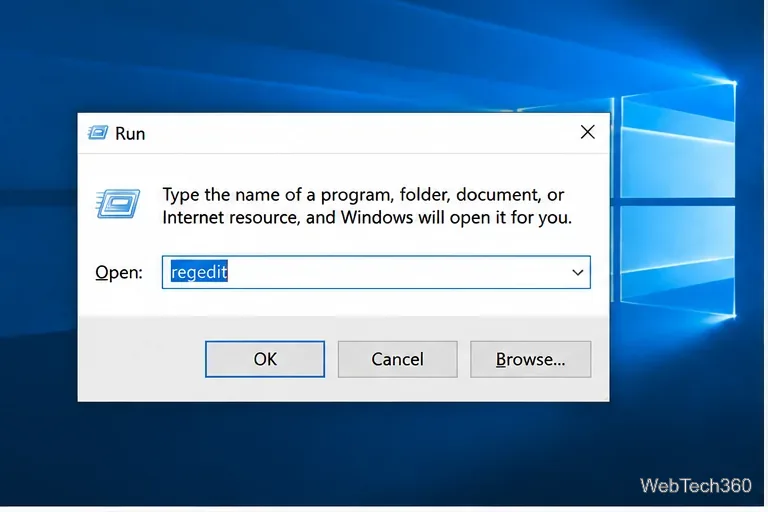
| 4. Advanced Registry Fix (Optional) | Run regedit > Navigate to HKEY_CURRENT_USER\Software\Microsoft\Windows\CurrentVersion\Themes\Personalize > Set EnableTransparency to 1 (DWORD) | Forces transparency on specific GPUs |
⚠️ Warning: Back up your registry before editing. This method often revives transparency in multi-GPU setups where drivers alone fall short.
In multi-GPU environments, mismatched display outputs can amplify transparency issues. Ensure uniformity:
After these changes, your Windows 11 desktop should feel unified and vibrant. If gaming is involved, test in a title like Cyberpunk 2077 to confirm smooth overlays.
If glitches linger, run a system file check to repair corrupted components:
sfc /scannow and hit Enter—let it fix any integrity violations.DISM /Online /Cleanup-Image /RestoreHealth for deeper repairs.For the latest Windows 11 builds, these commands leverage improved multi-GPU diagnostics, often resolving hardware-software mismatches.
Once fixed, keep things pristine with these habits:
By staying proactive, you'll avoid those pesky visual hiccups and enjoy Windows 11's beauty on your multi-GPU powerhouse. Feeling empowered? You've just unlocked smoother visuals—share your success in the comments below! 👏
Fixing Windows 11 transparency issues on multi-GPU doesn't have to be a headache. With these targeted steps, from driver updates to graphics tweaks, you're set to restore that crystal-clear interface. We've focused on what works in the most recent updates, ensuring reliable results without the fluff. If a specific app is still acting up, drop a note—we're here to help refine your setup. Dive in, apply these fixes, and watch your system shine brighter than ever! 🌟
Fix common Snipping Tool problems in Windows 11 with steps to test the shortcut, update or repair the app, reinstall it, and restore missing capture notifications.
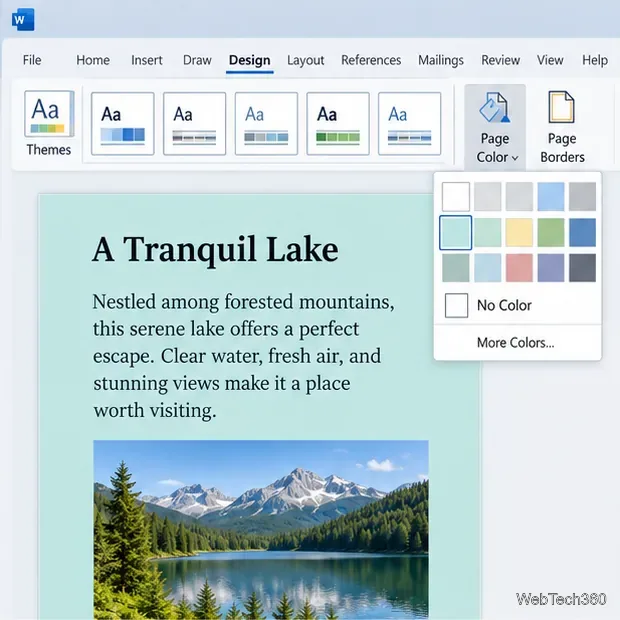
Choose a color-capable printer, enable Word’s background-print setting, and check the preview so page colors, images, and graphics print as expected.
Learn how to use WinX DVD Ripper to convert a DVD you’re entitled to copy into an MP4 file, choose the right title and destination, and troubleshoot playback problems on Windows 10 or 11.
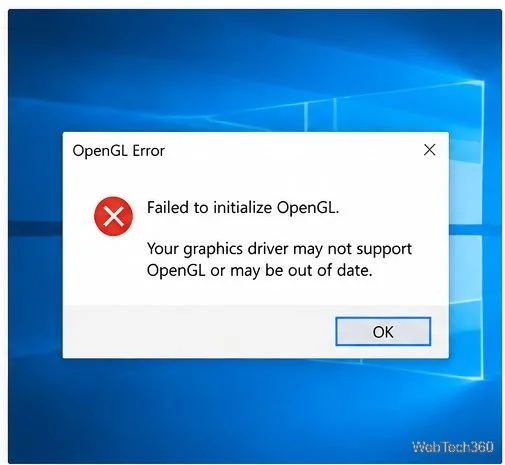
Troubleshoot OpenGL errors in Windows 10 by checking graphics drivers, repairing system files, reinstalling the affected app, and reviewing graphics settings.
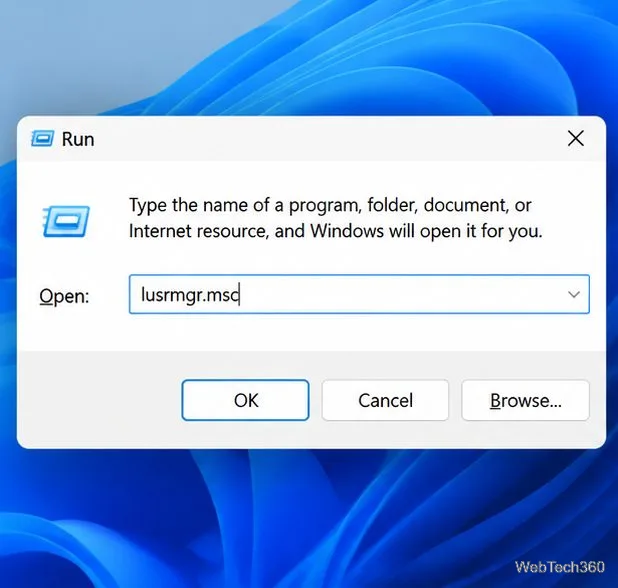
Learn when to use net user, lusrmgr.msc, and net localgroup to view, create, disable, and manage local Windows accounts safely.
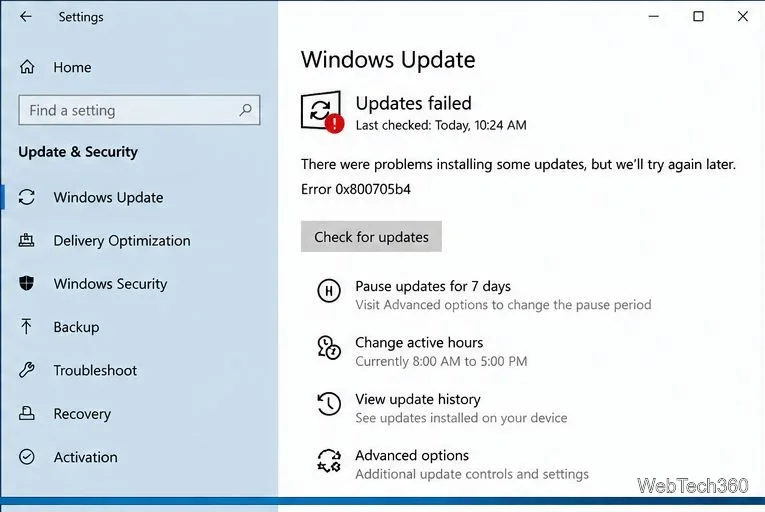
Resolve Windows Update error 0x800705b4 with practical checks for connectivity, update services, cached files, and damaged Windows system components.
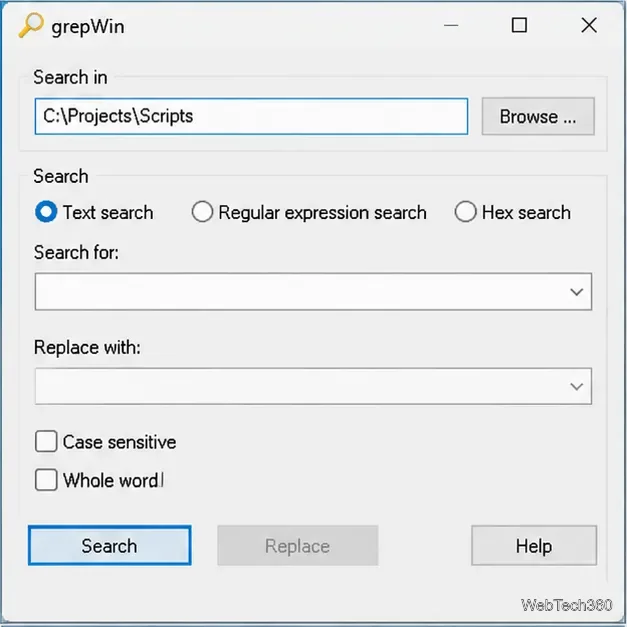
Find words or phrases across multiple text files on Windows 10 with grepWin. Learn how to choose folders, filter file types, include subfolders, and read matches safely.
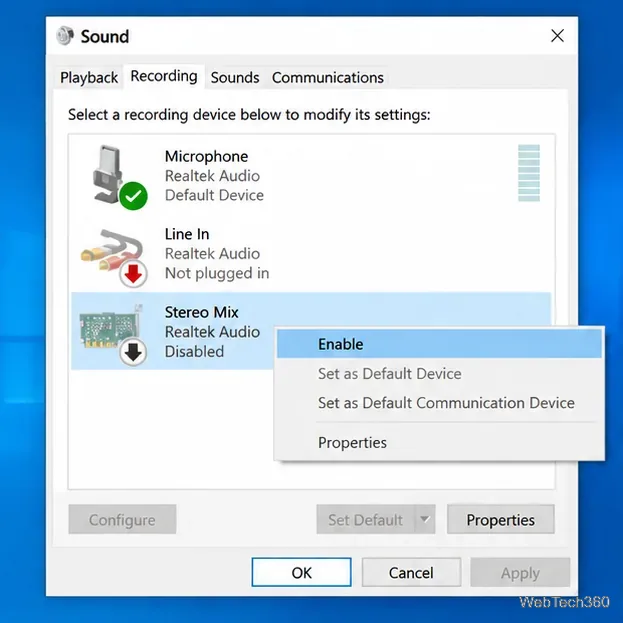
Capture your PC’s playback with FFmpeg on Windows 10. Enable Stereo Mix or use a loopback device, find its DirectShow name, and save clean audio.
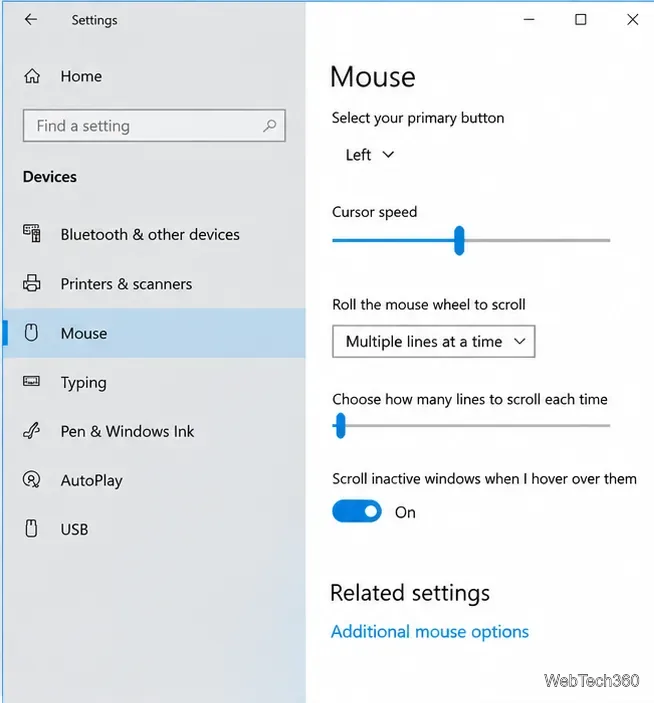
Learn how to adjust Windows 10 mouse pointer speed, change pointer precision, and set hardware DPI with a supported gaming mouse or manufacturer app.
Learn what the legacy Edge blocker registry setting does, how to set it safely, and why it will not stop updates for Microsoft Edge already installed.