How to Check for Open Ports on Windows Server
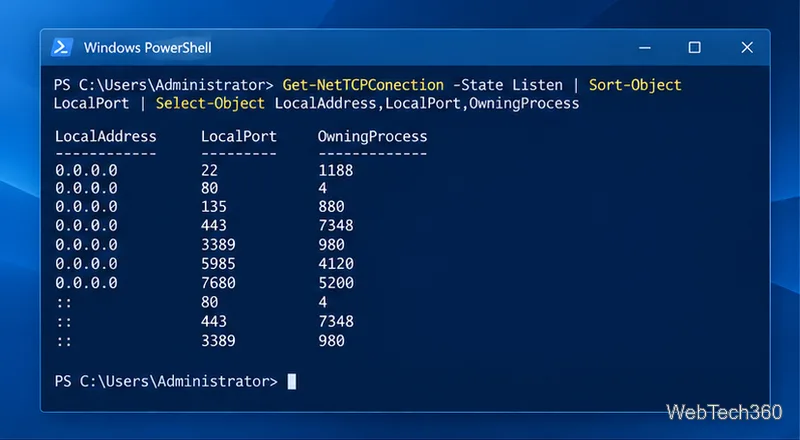
Find local TCP listeners, identify the process using a port, and test whether a Windows Server port is reachable with PowerShell, PortQry, or Nmap.
Imagine the power of macOS's sleek design combined with Windows 11's cutting-edge features—all on your single Mac. In 2026, installing Windows 11 on a Mac has never been easier, thanks to refined tools and official Apple support. Whether you're a developer needing Visual Studio, a gamer craving Windows exclusives, or just curious about the best of both worlds, this guide will walk you through a smooth dual-boot setup. Let's dive in and get you up and running with confidence! 🚀
By 2026, Windows 11 has evolved with AI integrations like Copilot enhancements and improved security, making it a must-try. Running it on your Mac via Boot Camp—Apple's native solution—lets you switch between operating systems effortlessly. No more compromises: edit videos in Final Cut Pro on macOS, then jump to Windows for Adobe's full suite or PC gaming. It's empowering, and with Apple's M-series chips now fully compatible through updated drivers, performance is stellar. Ready to boost your productivity? Keep reading for the essentials.
Before starting, ensure your Mac meets the latest specs. Apple has optimized Windows 11 for Mac support across models, but here's what you need:
Pro tip: Update your macOS to the latest version (Sonoma or later in 2026) for best compatibility. If your Mac is older, consider virtualization alternatives like Parallels, but for native performance, Boot Camp is king. Feeling excited? Let's prep your setup! ⭐
Apple's Boot Camp Assistant is your go-to tool in 2026—simple, secure, and integrated. We'll cover the process for both Intel and Apple Silicon Macs, with tips to avoid pitfalls. Total time: 1-2 hours, plus download waits. Grab a coffee and follow along!
💡 Icon tip: If you're on Apple Silicon, ensure Rosetta 2 is installed (run /usr/sbin/softwareupdate --install-rosetta in Terminal for Intel app support in Windows).
For Apple Silicon users: Boot Camp now emulates x86 apps flawlessly, but verify your model supports it (all M-series do in 2026). If issues arise, restart and hold Option key to access Boot Camp menu.
setup.exe from the Boot Camp folder. This installs drivers for graphics, audio, and more.Troubleshooting table for common issues:
| Issue | Solution |
|---|---|
| Black screen after install | Reinstall Boot Camp drivers; ensure Secure Boot is enabled in Windows settings. |
| Wi-Fi not working | Download latest Broadcom drivers from Apple's Boot Camp support page. |
| Slow performance on M-series | Update to Windows 11 24H2+; enable ARM optimizations in Boot Camp. |
Hold the Option (⌥) key on boot to choose: macOS or Windows. Customize with Startup Disk in macOS System Settings for default OS. In 2026, seamless file sharing via iCloud or shared partitions keeps everything accessible. Pro users: Set up Time Machine backups for both OSes to safeguard your data. Smooth sailing now? Let's optimize!
To make your Windows 11 Mac dual boot shine:
One reader favorite: Sync your Apple ID across for effortless Continuity features, like Handoff from macOS to Windows apps. It's like having the best of Apple and Microsoft in harmony! 😊
Prefer no reboots? Try Parallels Desktop 20+ for virtualization—runs Windows 11 side-by-side with macOS, ideal for M-series. Or VMware Fusion for free options. But for raw power, nothing beats native install Windows 11 on Mac via Boot Camp. Weigh your needs: dual-boot for performance, VM for convenience.
Congratulations—you've mastered how to install Windows 11 on a Mac in 2026! This setup opens doors to endless possibilities, from cross-platform development to immersive gaming. If you hit snags, Apple's support or Microsoft forums have your back. Share your success in the comments—what will you tackle first in Windows? Stay tuned for more tech guides to keep your setup future-proof. You've got this! 👏
Find local TCP listeners, identify the process using a port, and test whether a Windows Server port is reachable with PowerShell, PortQry, or Nmap.
Map a shared folder as a drive letter in Windows 10, reconnect it at sign-in, confirm access, and fix common path, credential, and network discovery issues.
Hear your microphone through Windows 10 speakers with the Listen to this device setting. Choose the right input and output, test the route, and prevent feedback.
Change icon size on Windows 10 with desktop, taskbar, and File Explorer controls. Learn when display scaling helps and how to fix unexpected size changes.
Map an NFS share to a Windows 11 drive letter with the built-in Client for NFS. Check protocol compatibility, mount the export, and troubleshoot access issues.
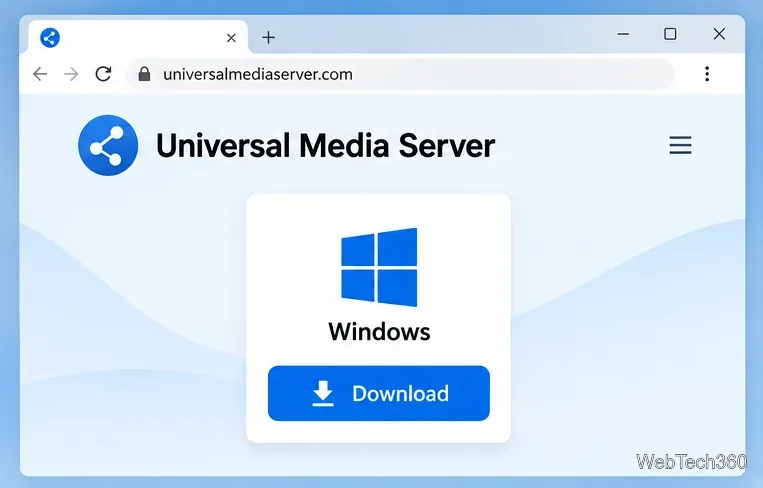
Install Universal Media Server on Windows Server, share selected folders, set LAN-only firewall access, and test DLNA playback from a TV or browser.
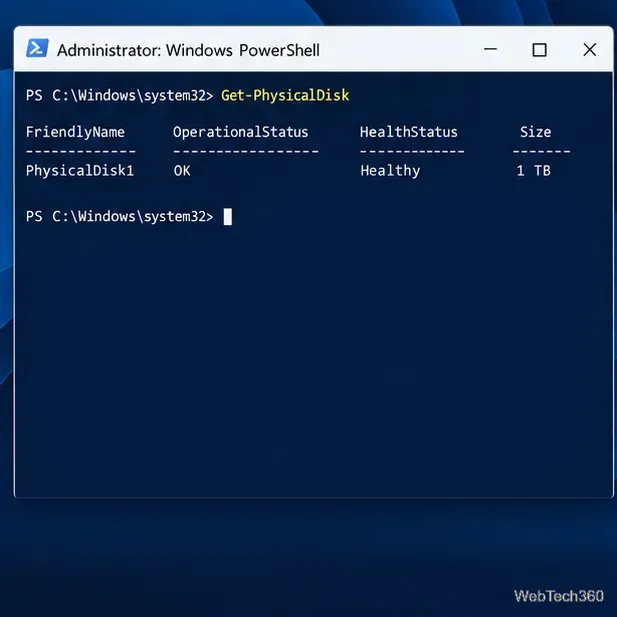
Check Windows Server disk status and reliability counters, verify SMART data when available, and separate hardware warnings from NTFS errors.
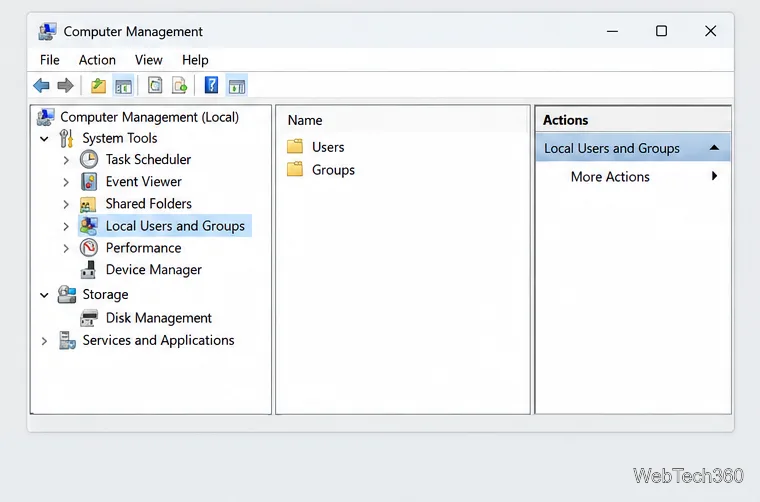
Create, grant admin rights to, disable, or remove local Windows Server users with Computer Management or PowerShell. Learn when to use Active Directory instead.
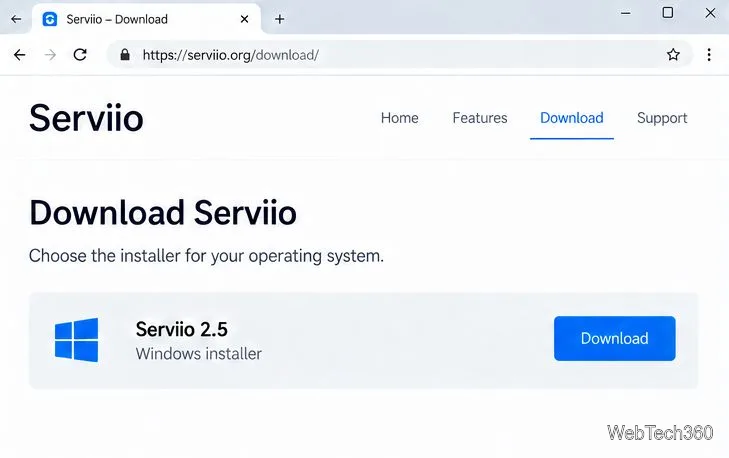
Install Serviio on Windows Server, share local or NAS media folders, and test DLNA playback. Learn how to check the Windows service, firewall, and Pro-only browser features.
Convert PNG, JPG, or BMP files to Windows ICO with GIMP. Prepare a square image, keep transparency when needed, add standard sizes, and check the export.