How to Fix Snipping Tool Issues on Windows 11
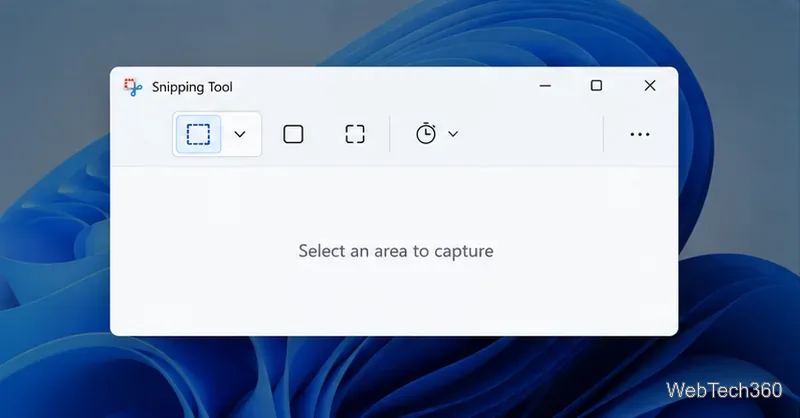
Fix common Snipping Tool problems in Windows 11 with steps to test the shortcut, update or repair the app, reinstall it, and restore missing capture notifications.
Imagine browsing the web without frustrating lags or slow page loads. If you're on Windows 11, tweaking your DNS settings can transform your online experience. DNS, or Domain Name System, acts like the internet's phonebook, translating website names into IP addresses. By default, your ISP's DNS might be sluggish or unreliable, leading to buffering videos and endless waiting. Switching to a faster, more reliable public DNS server can speed things up and enhance security. In this guide, we'll walk you through how to change DNS on Windows 11 for better internet—simple, effective, and rewarding. Let's dive in and get you connected smoother than ever! 😊
Before we jump into the steps, let's talk benefits. Changing your DNS on Windows 11 isn't just a tech tweak—it's a game-changer for everyday users. Here's why it's worth your time:
Excited yet? These perks make your Windows 11 device feel brand new. Plus, it's reversible if needed. Now, onto the best options.
Choosing the right DNS server is key to unlocking better internet. Based on the latest performance benchmarks, here are top picks optimized for speed, security, and global reliability. We'll focus on free, user-friendly options.
| Provider | Primary DNS | Secondary DNS | Key Features | Best For |
|---|---|---|---|---|
| Google Public DNS | 8.8.8.8 | 8.8.4.4 | High uptime (99.9%), fast global resolution, family-safe options | General speed and reliability |
| Cloudflare DNS | 1.1.1.1 | 1.0.0.1 | Privacy-focused, malware blocking, zero logging policy | Security and privacy enthusiasts |
| OpenDNS (Cisco) | 208.67.222.222 | 208.67.220.220 | Content filtering, customizable parental controls | Families and content management |
| Quad9 | 9.9.9.9 | 149.112.112.112 | Threat blocking, non-profit, Swiss privacy laws | Advanced security without ads |
Pro tip: Start with Cloudflare for its balance of speed and privacy—it's the fastest in recent independent tests by DNSPerf. Ready to implement? Follow our step-by-step guide below.
This is the most straightforward way to change DNS on Windows 11 for a specific network. It's perfect if you want control over Wi-Fi or Ethernet connections. We'll use Cloudflare as an example, but swap in your preferred servers.
ipconfig /flushdns, and press Enter. Restart your browser or device for changes to take effect.That's it! Test your speed at Speedtest.net—you should notice snappier loads right away. If issues arise, double-check entries or revert to Automatic. 🚀
For broader changes affecting all networks, use the Control Panel method. This is ideal for laptops switching between Wi-Fi spots.
This method gives you more granular control. For IPv6 users, repeat for TCP/IPv6 with servers like 2001:4860:4860::8888 (Google).
Even with the best setup, glitches happen. Don't worry—here's how to fix them quickly:
ipconfig /all in Command Prompt to verify new DNS.For deeper diagnostics, use Windows' built-in troubleshooter: Settings > Network & Internet > Status > Network troubleshooter. Most issues resolve in minutes, keeping your internet speed on Windows 11 optimal.
Want even more? For gamers, Quad9's low latency shines in reducing ping. Streamers, pair Cloudflare with Windows 11's Game Mode for buffer-free Netflix. Monitor performance with tools like NameBench (free download) to benchmark DNS speeds. Remember, combining DNS changes with a wired connection or updated drivers maximizes gains.
Feeling empowered? You've just supercharged your Windows 11 DNS for lightning-fast internet. Share your results in the comments—did speeds double? If you're troubleshooting or exploring more tweaks, stick around for our next guides on optimizing your setup. Happy browsing! 🎉
Fix common Snipping Tool problems in Windows 11 with steps to test the shortcut, update or repair the app, reinstall it, and restore missing capture notifications.
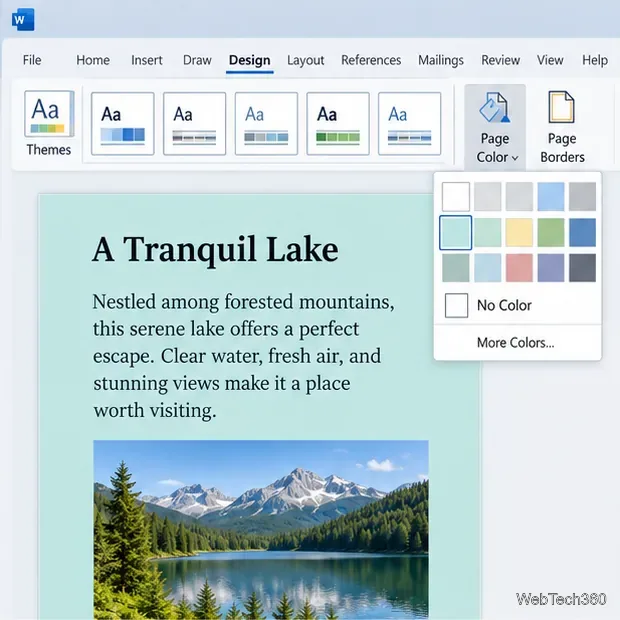
Choose a color-capable printer, enable Word’s background-print setting, and check the preview so page colors, images, and graphics print as expected.
Learn how to use WinX DVD Ripper to convert a DVD you’re entitled to copy into an MP4 file, choose the right title and destination, and troubleshoot playback problems on Windows 10 or 11.
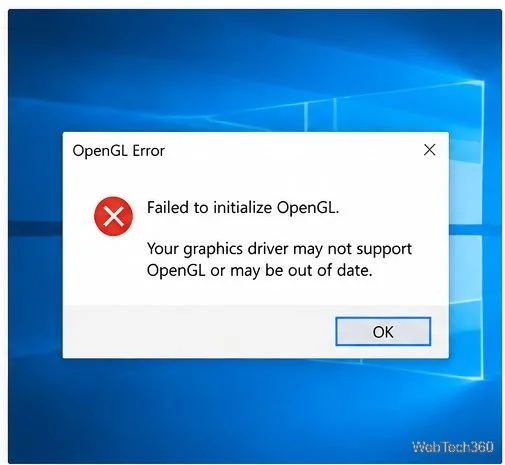
Troubleshoot OpenGL errors in Windows 10 by checking graphics drivers, repairing system files, reinstalling the affected app, and reviewing graphics settings.
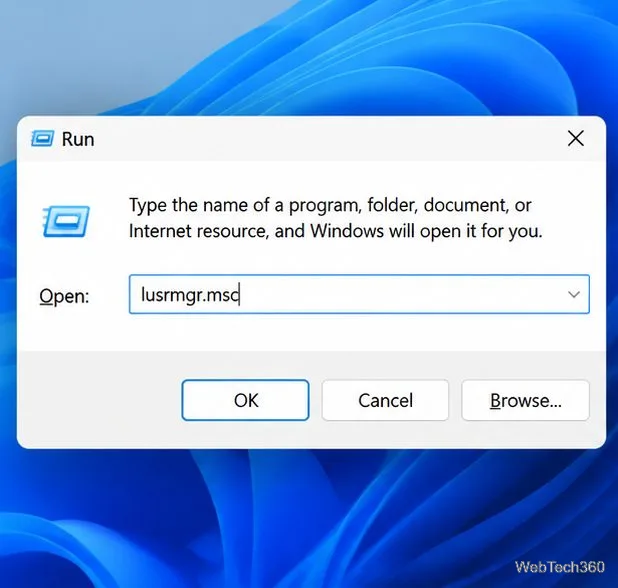
Learn when to use net user, lusrmgr.msc, and net localgroup to view, create, disable, and manage local Windows accounts safely.
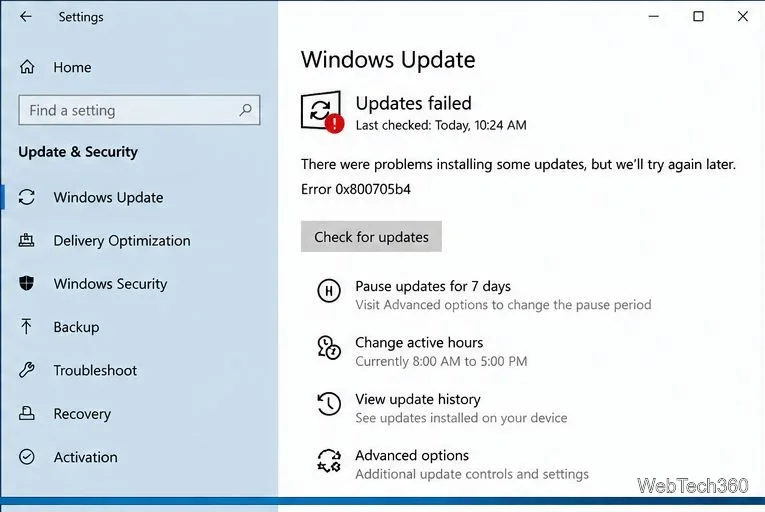
Resolve Windows Update error 0x800705b4 with practical checks for connectivity, update services, cached files, and damaged Windows system components.
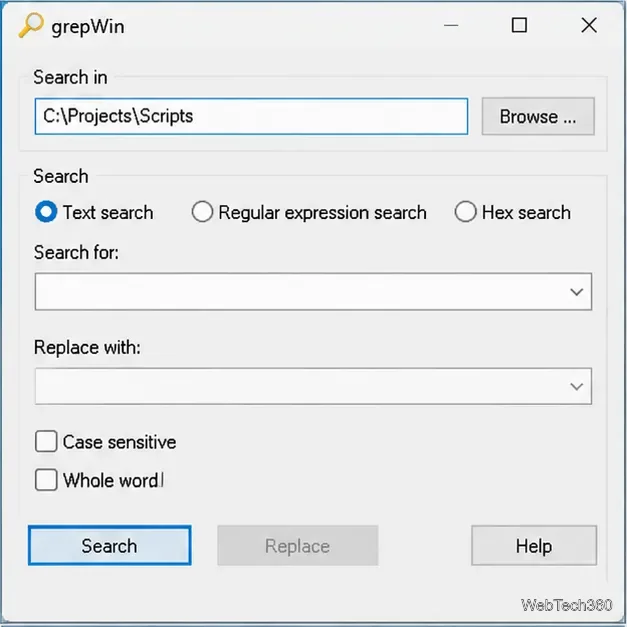
Find words or phrases across multiple text files on Windows 10 with grepWin. Learn how to choose folders, filter file types, include subfolders, and read matches safely.
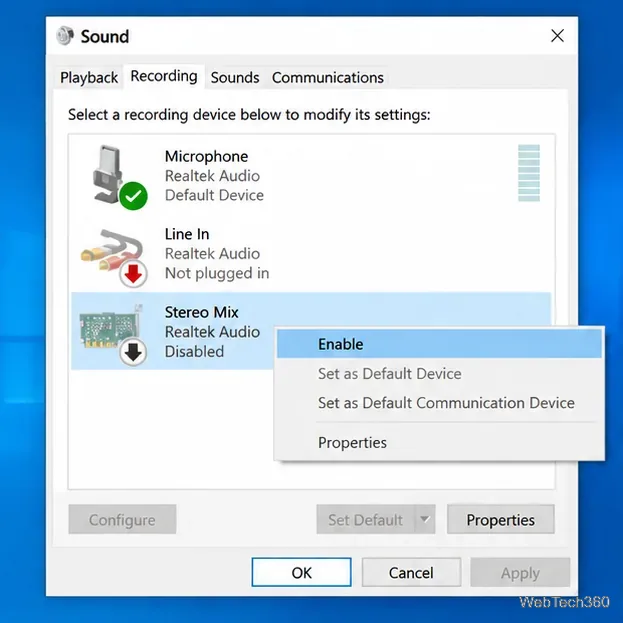
Capture your PC’s playback with FFmpeg on Windows 10. Enable Stereo Mix or use a loopback device, find its DirectShow name, and save clean audio.
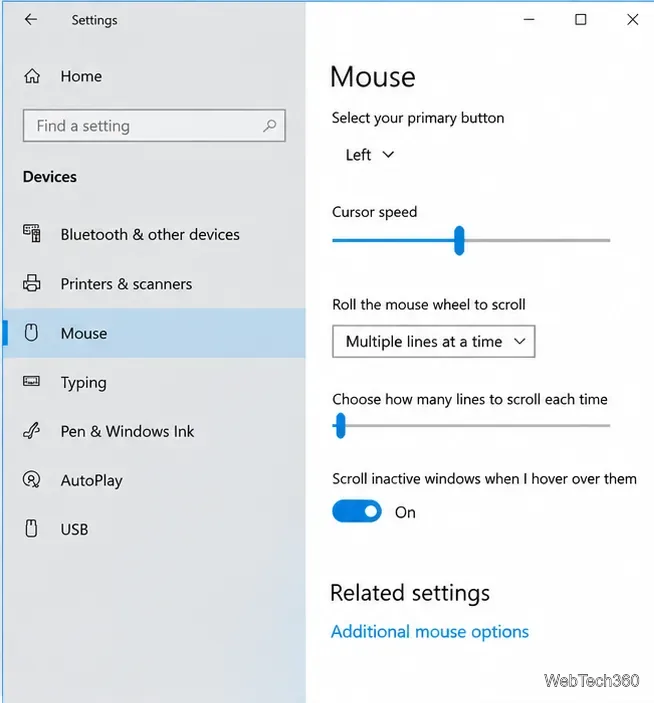
Learn how to adjust Windows 10 mouse pointer speed, change pointer precision, and set hardware DPI with a supported gaming mouse or manufacturer app.
Learn what the legacy Edge blocker registry setting does, how to set it safely, and why it will not stop updates for Microsoft Edge already installed.