How to Fix Snipping Tool Issues on Windows 11
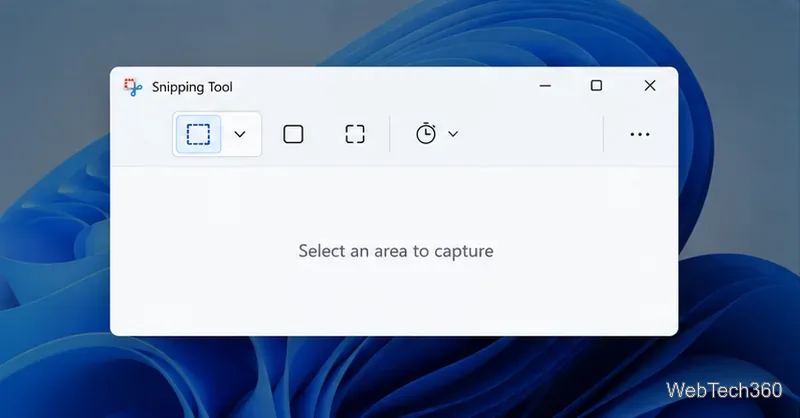
Fix common Snipping Tool problems in Windows 11 with steps to test the shortcut, update or repair the app, reinstall it, and restore missing capture notifications.
Imagine your Windows 11 PC firing on all cylinders—apps launching instantly, multitasking without a hitch, and no more frustrating lags. If registry bloat is slowing you down, you're not alone. This common issue builds up over time from software installs, updates, and temporary files, cluttering the Windows registry and choking your system's performance. The good news? Fixing Windows 11 registry bloat and boosting speed is straightforward with the right steps. In this guide, we'll walk you through safe, effective methods to reclaim your PC's potential, leaving you with a smoother, faster experience. Let's dive in and get your system back to peak performance! 🚀
The Windows registry is like the brain of your operating system—a vast database storing settings, configurations, and options for hardware, software, and user preferences. In Windows 11, it's optimized for modern hardware, but as you install and uninstall apps, remnants pile up. This registry bloat creates unnecessary entries, leading to longer boot times, sluggish app responses, and overall system drag.
Recent updates to Windows 11 have improved registry management, but bloat still accumulates. Think of it as digital clutter: harmless at first, but eventually it weighs down your PC. Symptoms include frozen screens, slow file searches, and high CPU usage even on idle. Don't worry—addressing registry bloat can shave minutes off your daily tasks and extend your hardware's life. Ready to clean house?
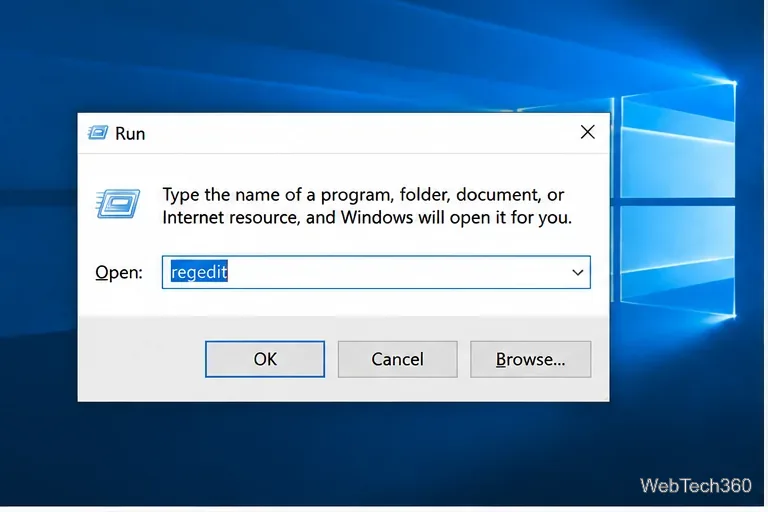
We'll start with built-in tools—no downloads required initially—to safely tackle registry bloat. These methods are endorsed by Microsoft for reliability. Always back up your registry first: Open the Registry Editor (type "regedit" in the search bar), go to File > Export, and save a full backup. This ensures you can restore if needed. Let's get started!
Before diving into the registry, clear general system junk that contributes to bloat. Search for "Disk Cleanup" in the Start menu, select your system drive (usually C:), and check boxes like "Temporary files" and "System error memory dump files." For deeper cleaning, click "Clean up system files" to remove old Windows update files. This frees up space and indirectly reduces registry strain.
Pro tip: Run this monthly to prevent buildup. You'll notice a snappier feel right away!
Windows 11's Registry Editor is your go-to for targeted fixes. Launch it as admin (right-click Start > Terminal (Admin), then type "regedit"). Navigate cautiously—focus on these areas:
Export keys before deleting, and avoid touching core system areas like HKEY_CLASSES_ROOT unless you're confident. For beginners, stick to obvious junk—names matching deleted software. This manual approach targets registry bloat without third-party risks.
For automated help, use reputable tools like CCleaner (free version) or Wise Registry Cleaner. Download from official sites only. In CCleaner, go to the Registry tab, scan for issues, and fix them with a backup option enabled. These tools scan for orphans, invalid paths, and duplicates—common culprits of registry bloat in Windows 11.
Microsoft doesn't officially recommend cleaners, but millions use them safely. Always update the tool to the latest version for Windows 11 compatibility. After cleaning, restart your PC to apply changes.
Fixing registry bloat is half the battle. Now, optimize for speed. These tweaks build on a lean registry, ensuring your system runs efficiently.
Too many apps launching at boot? Press Ctrl + Shift + Esc to open Task Manager, go to the Startup tab, and disable non-essentials like chat apps or cloud syncs (set to "Disabled"). This cuts boot time by up to 30%.
Head to Settings > Windows Update > Check for updates. Install the latest patches—they often include performance enhancements for Windows 11. For drivers, use Device Manager or tools like Snappy Driver Installer. Outdated drivers exacerbate bloat-related slowdowns.
Enable Storage Sense in Settings > System > Storage to auto-delete temp files. Switch to "High Performance" in Power & Battery settings for demanding tasks. If you're on an SSD, ensure TRIM is enabled (run "fsutil behavior query DisableDeleteNotify" in Command Prompt; 0 means it's on).
For a quick visual on bloated vs. optimized registry size, check this comparison:
| State | Average Registry Size | Boot Time Impact | App Launch Speed |
|---|---|---|---|
| Bloated (Uncleaned) | ~500MB+ | 45-60 seconds | Slow (2-5s delay) |
| Cleaned & Optimized | ~200-300MB | 15-25 seconds | Fast (Instant) |
This table highlights the transformation—your PC could go from sluggish to speedy with these fixes!
If issues persist, run System File Checker. Open Command Prompt as admin and type:
sfc /scannow
Follow with DISM: DISM /Online /Cleanup-Image /RestoreHealth. These repair corrupted files that might mimic registry bloat symptoms, restoring full speed.
Steer clear of aggressive cleaners that promise miracles—they can delete vital keys. Never edit the registry without a backup, and avoid over-cleaning; a pristine registry isn't always faster if it breaks functionality. If you're unsure, consult Microsoft's support forums for guidance.
For official advice on Windows 11 performance, check out Microsoft's performance tips.
Congratulations—you've just armed yourself with the tools to conquer registry bloat and supercharge your Windows 11 speed! Start with the basics, monitor your system's responsiveness, and repeat cleanups as needed. Your PC will thank you with buttery-smooth operation, letting you focus on what matters. If you try these steps, share your results in the comments—let's build a community of speedy systems! 😊
Stay tuned for more optimization guides, like advanced SSD tweaks or gaming boosts. Your faster Windows 11 journey starts now.
Fix common Snipping Tool problems in Windows 11 with steps to test the shortcut, update or repair the app, reinstall it, and restore missing capture notifications.
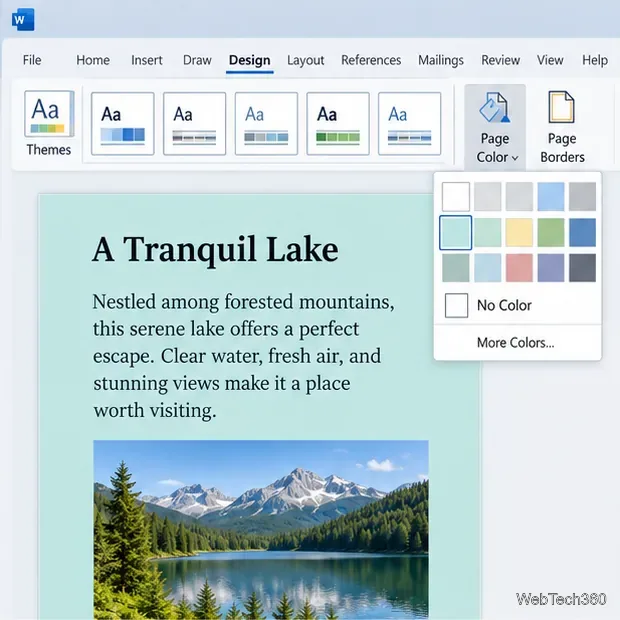
Choose a color-capable printer, enable Word’s background-print setting, and check the preview so page colors, images, and graphics print as expected.
Learn how to use WinX DVD Ripper to convert a DVD you’re entitled to copy into an MP4 file, choose the right title and destination, and troubleshoot playback problems on Windows 10 or 11.
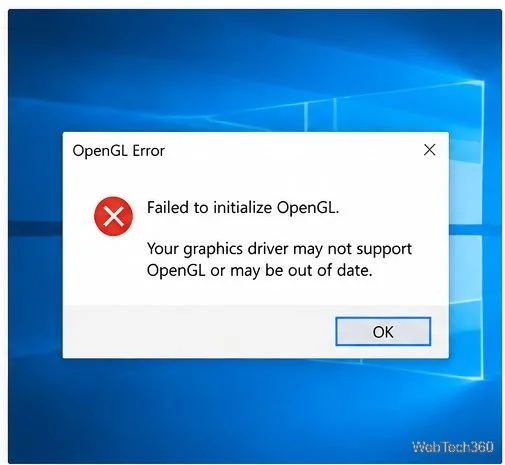
Troubleshoot OpenGL errors in Windows 10 by checking graphics drivers, repairing system files, reinstalling the affected app, and reviewing graphics settings.
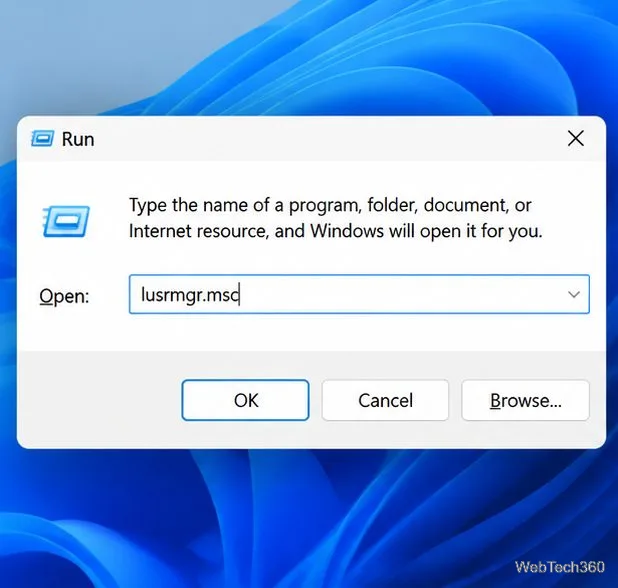
Learn when to use net user, lusrmgr.msc, and net localgroup to view, create, disable, and manage local Windows accounts safely.
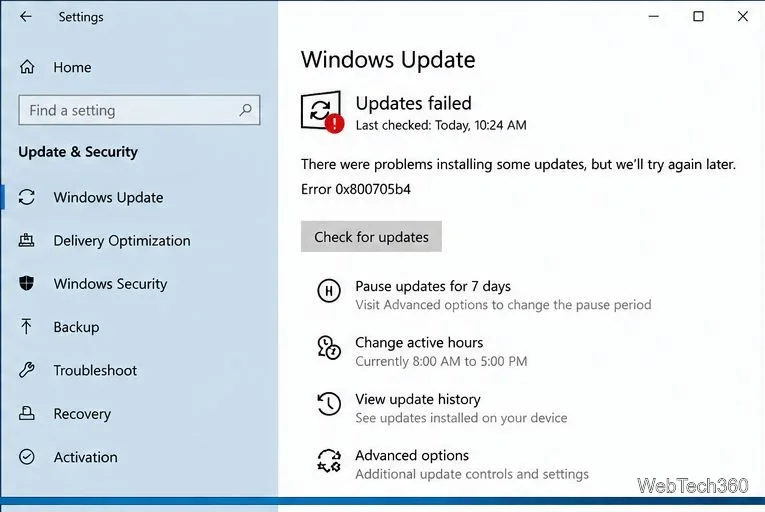
Resolve Windows Update error 0x800705b4 with practical checks for connectivity, update services, cached files, and damaged Windows system components.
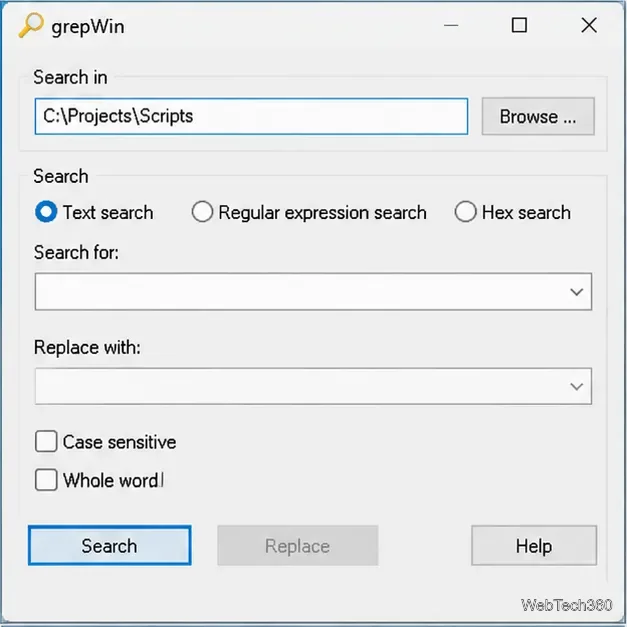
Find words or phrases across multiple text files on Windows 10 with grepWin. Learn how to choose folders, filter file types, include subfolders, and read matches safely.
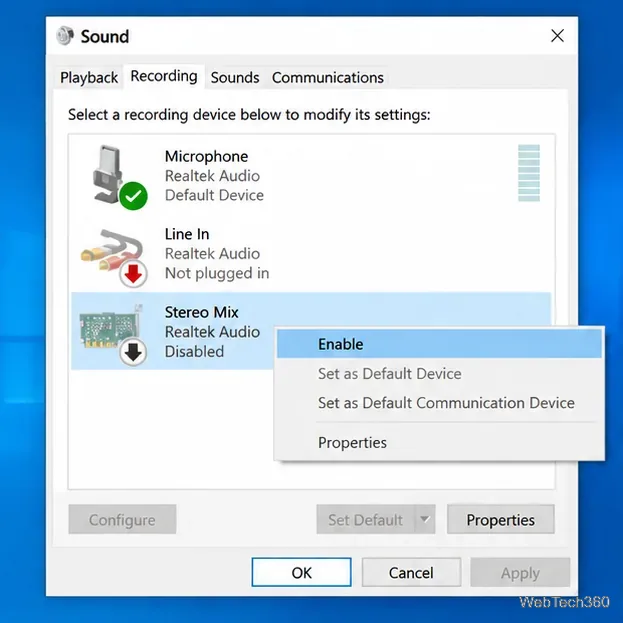
Capture your PC’s playback with FFmpeg on Windows 10. Enable Stereo Mix or use a loopback device, find its DirectShow name, and save clean audio.
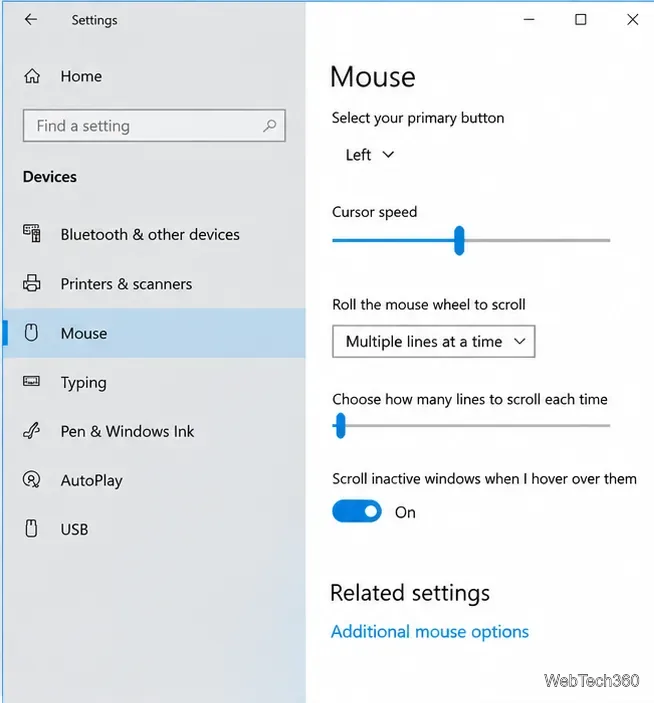
Learn how to adjust Windows 10 mouse pointer speed, change pointer precision, and set hardware DPI with a supported gaming mouse or manufacturer app.
Learn what the legacy Edge blocker registry setting does, how to set it safely, and why it will not stop updates for Microsoft Edge already installed.