Are you tired of your C drive filling up too quickly? 😩 Setting up Windows 11 desktop folders on D drive is a game-changer for better organization and storage management. This simple tweak lets you relocate your Desktop, Documents, and other key folders to a larger D drive, keeping your system running smoothly. In this guide, we'll walk you through the process with clear, actionable steps. You'll feel the relief of a clutter-free PC in no time—let's dive in!
Why Relocate Your Desktop Folders to D Drive in Windows 11?
Windows 11 is designed for efficiency, but its default setup dumps everything on the C drive, which can lead to slowdowns and storage woes. By moving desktop folders to your D drive—often a spacious secondary partition—you gain several benefits:
- Free Up Space: Keep your OS drive lean for updates and apps.
- Improved Performance: Faster file access on a dedicated drive.
- Better Organization: Separate personal files from system files to avoid clutter.
- Easy Backups: Simplifies syncing or backing up user data.
Whether you're a gamer hoarding screenshots or a professional juggling projects, this setup ensures your Windows 11 desktop stays optimized. Ready to get started? Follow these steps carefully for a seamless transition. 👆
Step-by-Step Guide: How to Setup Windows 11 Desktop Folders on D Drive
We'll focus on relocating the main user folders: Desktop, Documents, Pictures, and Downloads. This method uses Windows 11's built-in tools—no third-party software needed. Ensure your D drive has enough space and is formatted as NTFS (the default for Windows).
Step 1: Prepare Your D Drive
First, create a new folder structure on your D drive to mirror the defaults. Open File Explorer (Win + E) and navigate to D:\. Right-click and select New > Folder. Name it something intuitive like "UserData". Inside it, create subfolders: Desktop, Documents, Pictures, and Downloads.
This organization keeps things tidy. Pro tip: If your D drive is an external or SSD, you'll notice even snappier performance! 🌟
Step 2: Locate the Properties of Your Current Folders
Now, access the folder properties to change their location. Right-click the Desktop folder in File Explorer (usually under This PC > Desktop) and select Properties. Switch to the Location tab.
Here, you'll see the current path, like C:\Users\YourUsername\Desktop. This is where the magic happens—click Move to select your new D drive folder.
Step 3: Move the Desktop Folder to D Drive
In the Move dialog, browse to your new Desktop folder on D:\UserData\Desktop. Select it and hit OK. Windows will prompt: "Do you want to move all files?" Choose Yes to transfer everything automatically. This preserves your shortcuts and files without manual copying.
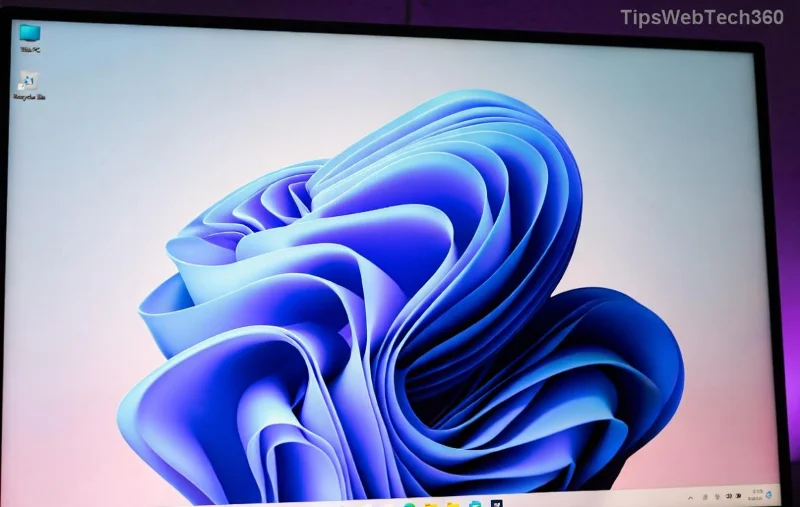
Watch as Windows relocates your desktop folders—it might take a few minutes if you have lots of files. Once done, your Desktop icons will appear from the new location, but everything works seamlessly on the surface.
![Relocating Desktop folder properties in Windows 11]()
Feeling empowered? That's the beauty of Windows 11's flexibility. Repeat this for Documents: Right-click Documents > Properties > Location > Move to D:\UserData\Documents. Do the same for Pictures and Downloads. 👍
Step 4: Verify and Troubleshoot the Setup
After moving, test by creating a new file on your Desktop—it should save to D drive. Check paths in Properties to confirm. If something goes wrong (like icons not showing), restart Explorer via Task Manager (Ctrl + Shift + Esc > Processes > Windows Explorer > Restart).
Common hiccups? Ensure you're an admin user. If the Move button is grayed out, take ownership of the folder first: Properties > Security > Advanced > Change owner to your username.
| Folder |
Default Location |
New D Drive Path |
Potential Issues |
| Desktop |
C:\Users\Username\Desktop |
D:\UserData\Desktop |
Icon refresh needed post-move |
| Documents |
C:\Users\Username\Documents |
D:\UserData\Documents |
App shortcuts may need update |
| Pictures |
C:\Users\Username\Pictures |
D:\UserData\Pictures |
Photo apps might prompt re-scan |
| Downloads |
C:\Users\Username\Downloads |
D:\UserData\Downloads |
Browser settings unchanged |
This table summarizes the key moves—bookmark it for quick reference! If you're dealing with a multi-drive setup, this ensures your Windows 11 desktop folders on D drive are future-proof.
Advanced Tips for Optimizing Your Windows 11 Storage
Once set up, enhance your workflow further. Use Storage Sense in Settings > System > Storage to auto-clean old files. For power users, consider symbolic links (via Command Prompt: mklink /J) if you need more control, but stick to the Properties method for simplicity.
Integrate OneDrive? Sync your new D drive folders for cloud backups—go to OneDrive settings and add them manually. This combo keeps your data safe and accessible across devices. 🚀
Potential Drawbacks and How to Avoid Them
No setup is perfect. If D drive disconnects (e.g., external drive), your Desktop might show errors. Solution: Use an internal drive or set up offline files. Also, some apps hardcode paths to C drive—update them manually in their settings.
For official guidance, check Microsoft's support on folder relocation. It's straightforward and reliable.
Wrap-Up: Enjoy a Faster, More Organized Windows 11 Experience
Congratulations—you've just mastered how to setup Windows 11 desktop folders on D drive! This tweak not only saves space but also streamlines your daily tasks, leaving you with a PC that feels brand new. If you run into snags or want to explore more tweaks like customizing themes, drop a comment below. Your optimized setup awaits—what's next on your productivity journey? 🎉