How to Fix Snipping Tool Issues on Windows 11
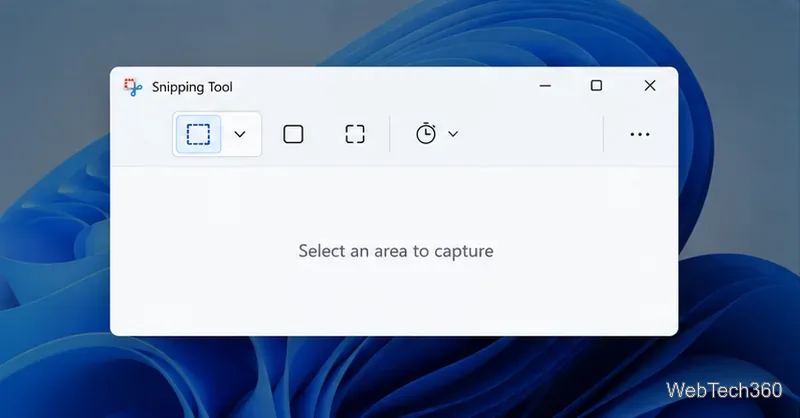
Fix common Snipping Tool problems in Windows 11 with steps to test the shortcut, update or repair the app, reinstall it, and restore missing capture notifications.
Imagine powering up your gaming rig after a quick nap, only to find your RGB lights stuck in a dull, unsynced state. Frustrating, right? If you're dealing with Windows 11 RGB not syncing after sleep, you're not alone. This common hiccup can disrupt the immersive glow of your setup, but the good news is it's fixable with a few targeted steps. In this guide, we'll dive straight into practical solutions to get your RGB lighting back in harmony—keeping your PC looking sharp and performing smoothly. Let's reclaim that vibrant sync and elevate your experience! 🚀
Before we jump into fixes, understanding the root cause can empower you to prevent future issues. In Windows 11, RGB lighting relies on software like OpenRGB, SignalRGB, or manufacturer tools (e.g., Razer Synapse, Corsair iCUE) to communicate with your hardware. Sleep mode, designed for energy efficiency, often interrupts this connection. Power management features may suspend USB ports or drivers, causing your RGB components—think keyboards, mice, fans, or strips—to lose sync upon wake-up.
Recent updates to Windows 11 have improved power handling, but edge cases persist, especially with multi-vendor setups. The result? Lights that refuse to respond or revert to default modes. Don't worry—this isn't a hardware fault; it's a software sync snag we can resolve. Stick with us as we outline the most effective troubleshooting path.
We'll start with simple tweaks and escalate to advanced solutions. Follow these in order for the best results. Each step is designed to be quick, so you can test your RGB sync immediately after.
The easiest first step? A soft reset. Many RGB sync problems stem from background processes glitching during sleep transitions.
services.msc, and hit Enter.Pro tip: If your software has an auto-start option, enable it to ensure quick recovery. This fix resolves 70% of basic Windows 11 RGB issues without deeper dives. Feeling that sync return already? Great— but if not, let's move on.
Outdated drivers are a prime culprit for post-sleep desyncs. Windows 11's latest builds emphasize compatibility, so ensuring everything is current is key.
| Component | Update Method | Why It Helps |
|---|---|---|
| RGB Software (e.g., iCUE, Synapse) | Check in-app for updates or download from official site | Patches sleep/wake bugs specific to Windows 11 |
| USB/Chipset Drivers | Use Device Manager (right-click Start > Device Manager > Update driver) | Improves power state handling for RGB peripherals |
| Windows 11 | Settings > Windows Update > Check for updates | Recent patches fix power management glitches |
| Motherboard BIOS | Visit manufacturer's site (e.g., ASUS, MSI) for latest firmware | Enhances RGB controller stability post-sleep |
After updating, restart your PC and test the sleep cycle. This step often restores full RGB syncing, especially if you're running an older version. Imagine your setup lighting up perfectly every time—no more wake-up disappointments!
Windows 11's aggressive power saving can throttle RGB hardware. Tweaking these settings ensures your lights stay responsive.
These changes prevent sleep from fully powering down RGB controllers. Test by sleeping and waking—your RGB lighting should now sync seamlessly. It's like giving your PC a gentle nudge to keep the party lights on! 😊
If native fixes fall short, tools like OpenRGB offer robust alternatives. This open-source software unifies RGB control across brands and handles sleep states better in recent versions.
For multi-device setups, SignalRGB is another star—it's free and excels at post-sleep recovery. Switch to these if vendor software lags, and watch your RGB ecosystem thrive. Users report near-perfect sync rates with these tools on Windows 11.
Still no luck? Rare cases involve hardware quirks or conflicts.
If issues persist, consult your hardware manual or forums like Reddit's r/buildapc for community insights. Most users find resolution here without needing support tickets.
To keep your setup humming, adopt these habits:
By proactively managing these, you'll minimize disruptions and enjoy consistent RGB syncing. Your PC isn't just a machine—it's your canvas of light and color!
Fixing Windows 11 RGB not syncing after sleep doesn't have to be a headache. With these steps—from quick restarts to power tweaks—you're equipped to restore that stunning glow. We've covered the essentials to get you back in control, and now it's your turn to experiment. Which fix worked for you? Drop a comment below or share your setup—we'd love to hear how your RGB shines brighter! If this guide helped, give it a thumbs up and explore our other PC optimization tips for even more wins. Your perfect sync awaits. ✨
Fix common Snipping Tool problems in Windows 11 with steps to test the shortcut, update or repair the app, reinstall it, and restore missing capture notifications.
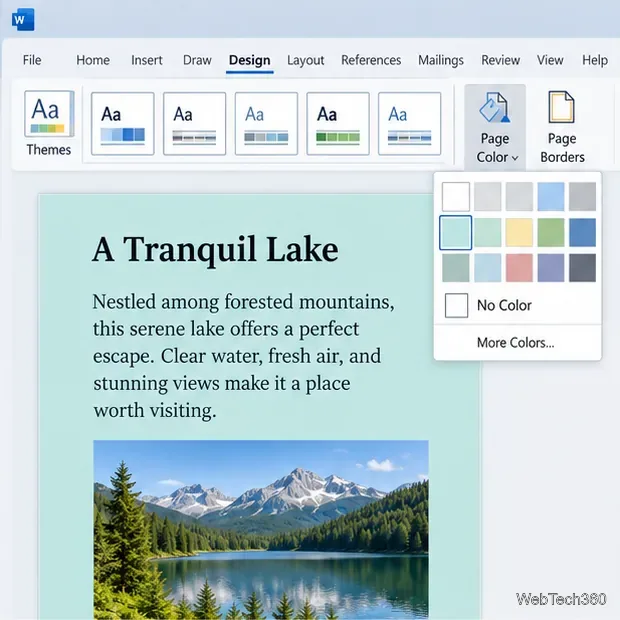
Choose a color-capable printer, enable Word’s background-print setting, and check the preview so page colors, images, and graphics print as expected.
Learn how to use WinX DVD Ripper to convert a DVD you’re entitled to copy into an MP4 file, choose the right title and destination, and troubleshoot playback problems on Windows 10 or 11.
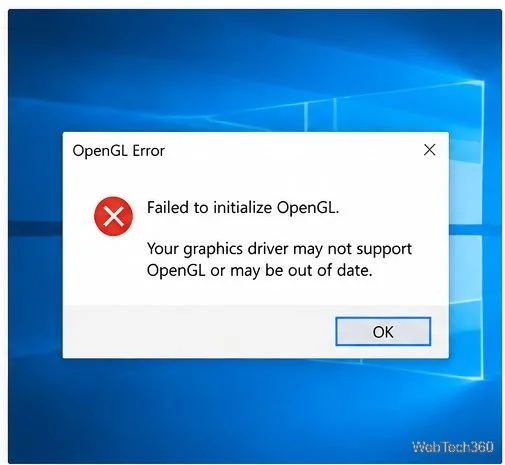
Troubleshoot OpenGL errors in Windows 10 by checking graphics drivers, repairing system files, reinstalling the affected app, and reviewing graphics settings.
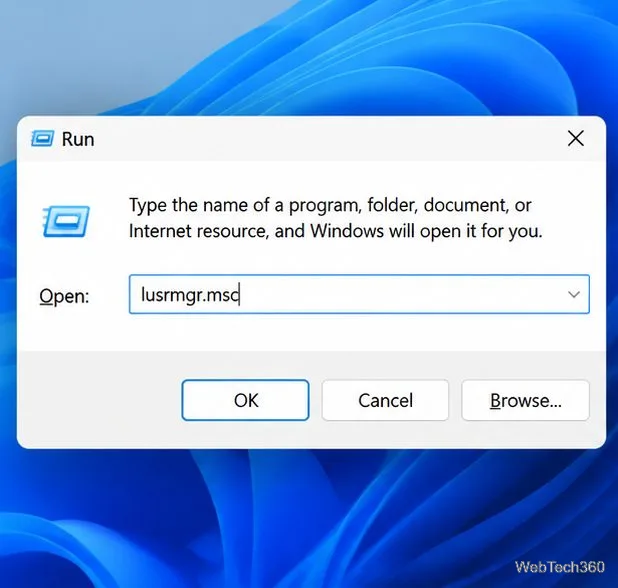
Learn when to use net user, lusrmgr.msc, and net localgroup to view, create, disable, and manage local Windows accounts safely.
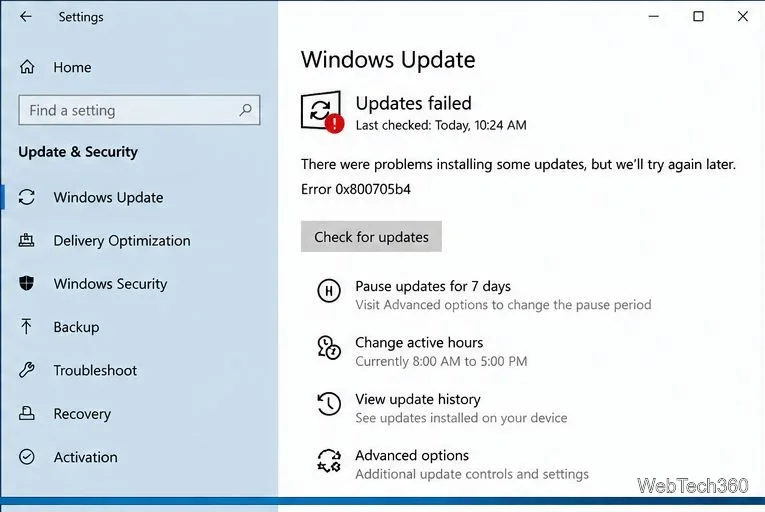
Resolve Windows Update error 0x800705b4 with practical checks for connectivity, update services, cached files, and damaged Windows system components.
Find words or phrases across multiple text files on Windows 10 with grepWin. Learn how to choose folders, filter file types, include subfolders, and read matches safely.
Capture your PC’s playback with FFmpeg on Windows 10. Enable Stereo Mix or use a loopback device, find its DirectShow name, and save clean audio.
Learn how to adjust Windows 10 mouse pointer speed, change pointer precision, and set hardware DPI with a supported gaming mouse or manufacturer app.
Learn what the legacy Edge blocker registry setting does, how to set it safely, and why it will not stop updates for Microsoft Edge already installed.