How to Fix Snipping Tool Issues on Windows 11
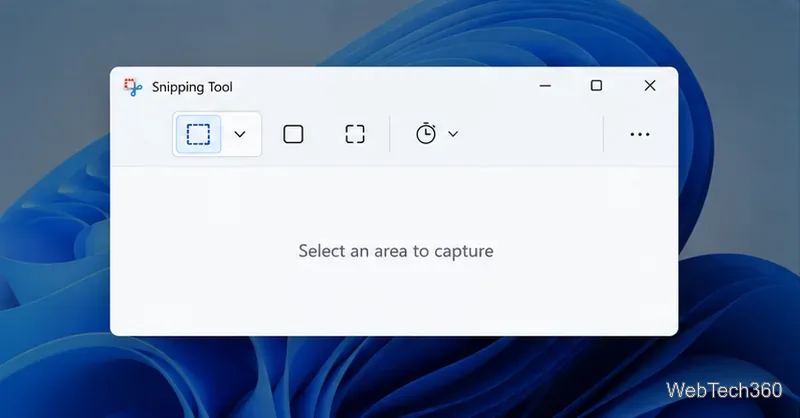
Fix common Snipping Tool problems in Windows 11 with steps to test the shortcut, update or repair the app, reinstall it, and restore missing capture notifications.
Are you tired of your Windows 11 PC feeling sluggish, with endless background processes hogging resources and slowing everything down? You're not alone—many users face the frustrating Windows 11 Background Process Limit issue, where apps run unchecked in the background, draining battery life and reducing overall performance. The good news? This guide will walk you through simple, effective solutions to fix it, helping you regain control and enjoy a faster, more responsive system. Let's dive in and get your PC running like new! 😊
In Windows 11, the Background Process Limit refers to how the operating system manages apps and services that run without your direct interaction. These include updates, notifications, and sync features from apps like Microsoft Teams or OneDrive. While designed to keep things seamless, it can lead to excessive resource use, especially on lower-end hardware.
Microsoft introduced enhanced background management in recent Windows 11 updates to balance convenience and efficiency. However, when limits are hit or misconfigured, you might notice high CPU usage, slow boot times, or apps crashing. Understanding this helps you target fixes precisely—think of it as decluttering your digital workspace for peak productivity. Ready to tackle it? Let's explore the causes first.
Before fixing, it's key to know why the Background Process Limit triggers problems. Here are the top culprits:
Spotting these early can prevent bigger headaches. For instance, open Task Manager (Ctrl + Shift + Esc) and check the Processes tab—if background items exceed 50-60 active ones during idle, it's time to act. Don't worry; the fixes below are straightforward and safe.
Let's get hands-on. Follow these proven methods to fix Background Process Limit in Windows 11. Start with the easiest and progress if needed. Each step includes tips to make it foolproof.
Startup apps are a major drain on Windows 11 Background Process Limit. Here's how to tame them:
This simple tweak can cut boot time by 20-30% and free up RAM immediately. Feel the difference as your PC wakes up faster!
Windows 11 lets you control app permissions directly. Limit what runs in the background:
🚀 This targets the core of Background Process Limit issues, ensuring only vital apps like email clients stay active. Users report smoother multitasking after this—your turn!
Power plans influence how aggressively Windows enforces process limits. Switch to efficiency mode:
Bonus: Enable Efficiency mode in Task Manager for specific processes—right-click a high-usage app and toggle it on. This dynamically caps background activity, perfect for gaming or work sessions.
Outdated components often bypass Windows 11 Background Process Limit. Stay current:
Keeping everything updated resolves compatibility glitches, ensuring smoother enforcement of limits. It's like giving your PC a fresh tune-up! 🔧
If processes persist, malware might be the hidden foe. Clean it out:
This step often uncovers sneaky processes eating into your limits. Post-scan, monitor with Task Manager to confirm improvements.
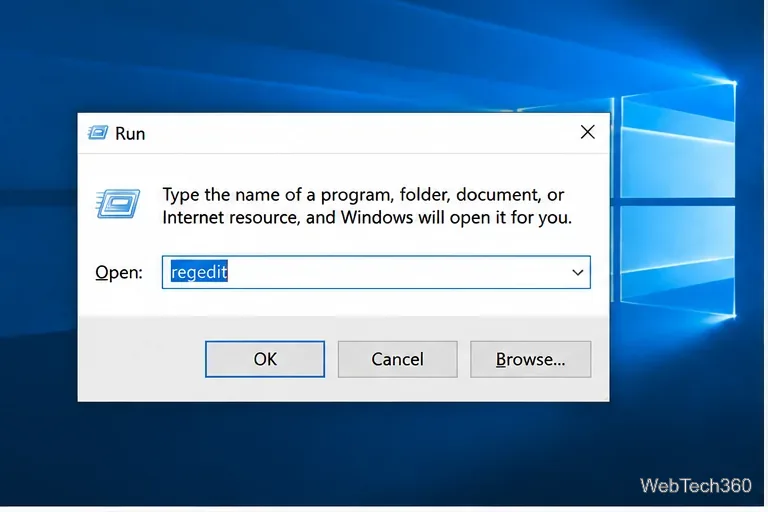
For tech-savvy folks, tweak the registry cautiously to enforce stricter limits. Warning: Back up first (search "Create a restore point").
HKEY_LOCAL_MACHINE\SOFTWARE\Microsoft\Windows\CurrentVersion\BackgroundTasksConfiguration.This customizes Background Process Limit at a deeper level but use sparingly—stick to GUI methods if you're new.
Sometimes, issues linger. Here's a quick table of common errors and solutions:
| Issue | Solution |
|---|---|
| Processes Re-enable After Restart | Check Group Policy: Run gpedit.msc > Computer Configuration > Administrative Templates > System > Power Management > Unattended settings > Turn off background tasks. |
| High CPU Despite Limits | Update BIOS from your motherboard maker's site (e.g., ASUS, MSI) for better power efficiency. |
| Laptop Battery Drains Fast | Enable Battery saver in Settings > System > Power & battery. |
If all else fails, consider a System Restore or clean install— but that's rare. For official guidance, check Microsoft's support: Manage Background Apps.
By addressing the Windows 11 Background Process Limit, you'll not only speed up your device but also extend hardware life and improve security. Imagine browsing without lag, longer battery sessions, and fewer crashes—it's empowering! Share your success in the comments; did these steps help? For more tips on Windows optimization, stick around—next up, we explore gaming tweaks. You've got this! 👏
Fix common Snipping Tool problems in Windows 11 with steps to test the shortcut, update or repair the app, reinstall it, and restore missing capture notifications.
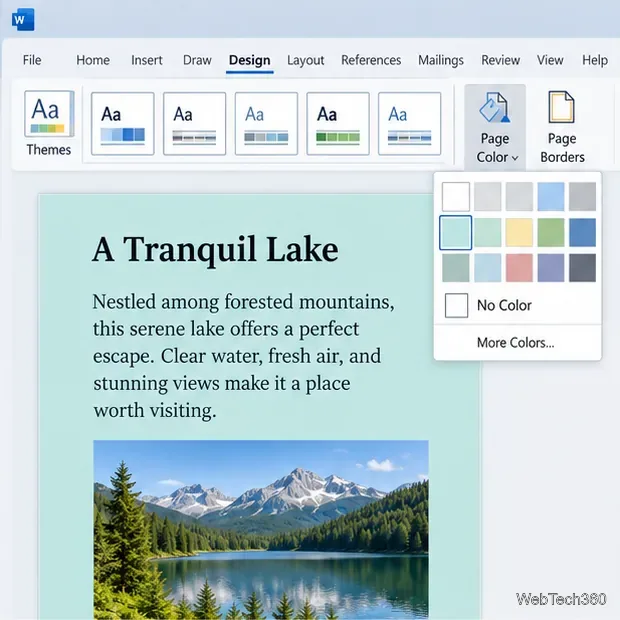
Choose a color-capable printer, enable Word’s background-print setting, and check the preview so page colors, images, and graphics print as expected.
Learn how to use WinX DVD Ripper to convert a DVD you’re entitled to copy into an MP4 file, choose the right title and destination, and troubleshoot playback problems on Windows 10 or 11.
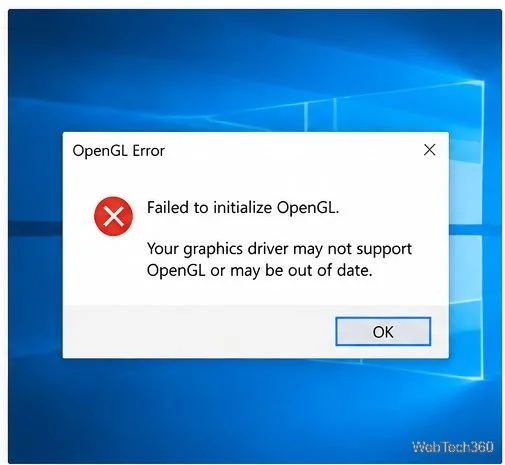
Troubleshoot OpenGL errors in Windows 10 by checking graphics drivers, repairing system files, reinstalling the affected app, and reviewing graphics settings.
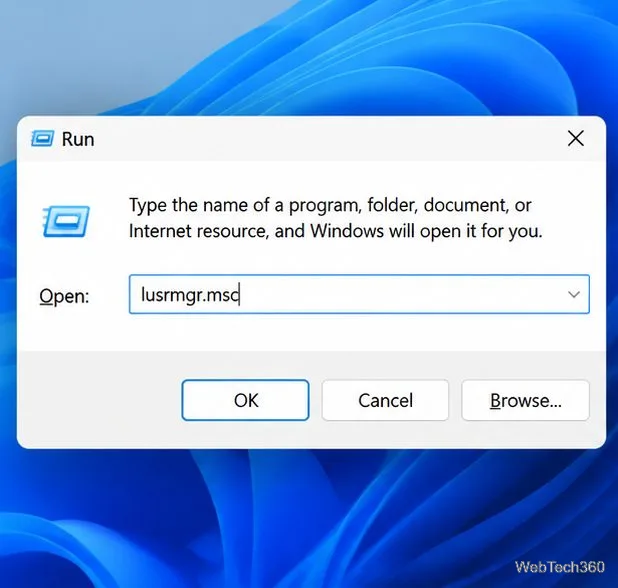
Learn when to use net user, lusrmgr.msc, and net localgroup to view, create, disable, and manage local Windows accounts safely.
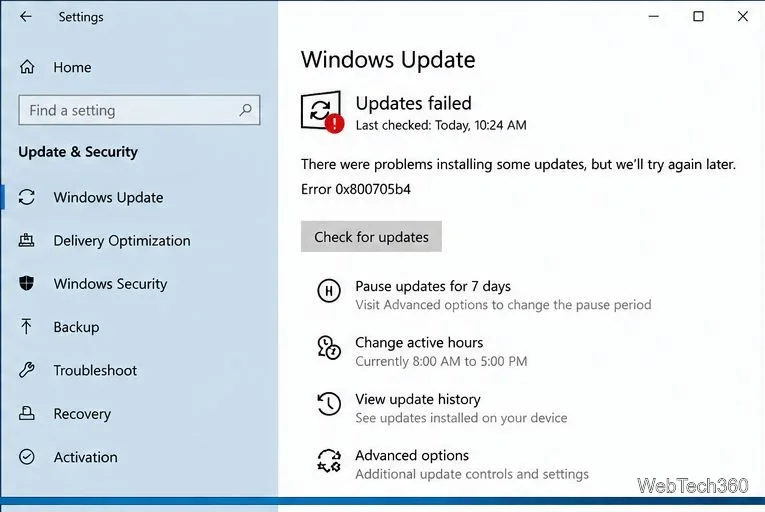
Resolve Windows Update error 0x800705b4 with practical checks for connectivity, update services, cached files, and damaged Windows system components.
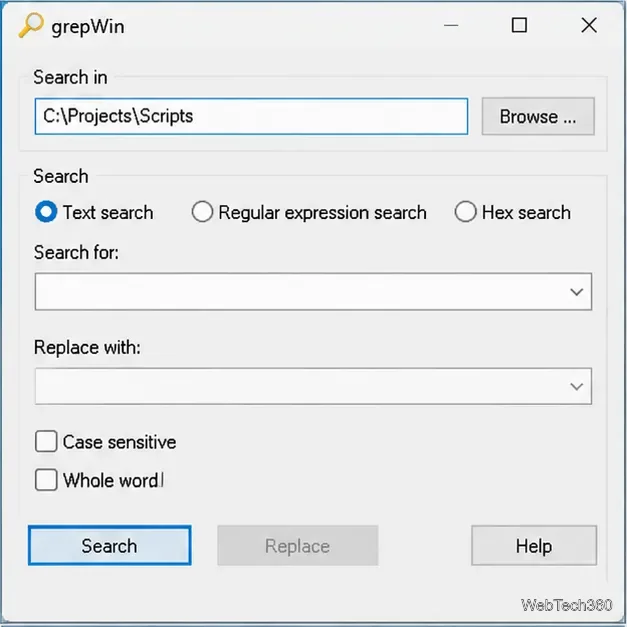
Find words or phrases across multiple text files on Windows 10 with grepWin. Learn how to choose folders, filter file types, include subfolders, and read matches safely.
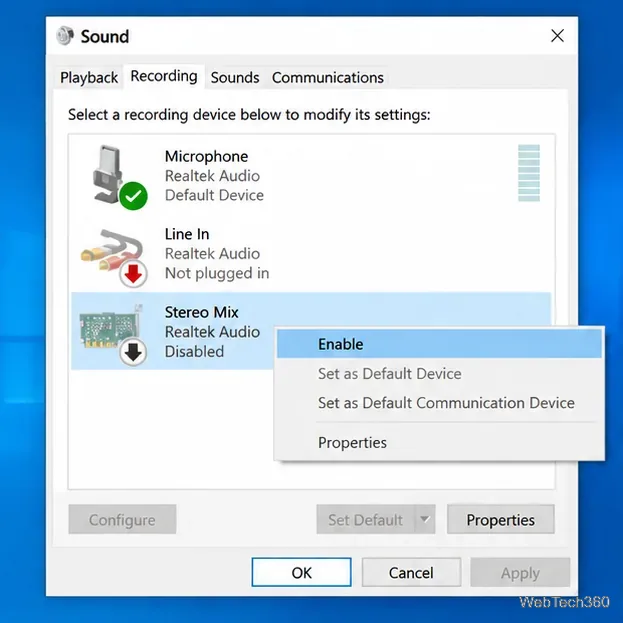
Capture your PC’s playback with FFmpeg on Windows 10. Enable Stereo Mix or use a loopback device, find its DirectShow name, and save clean audio.
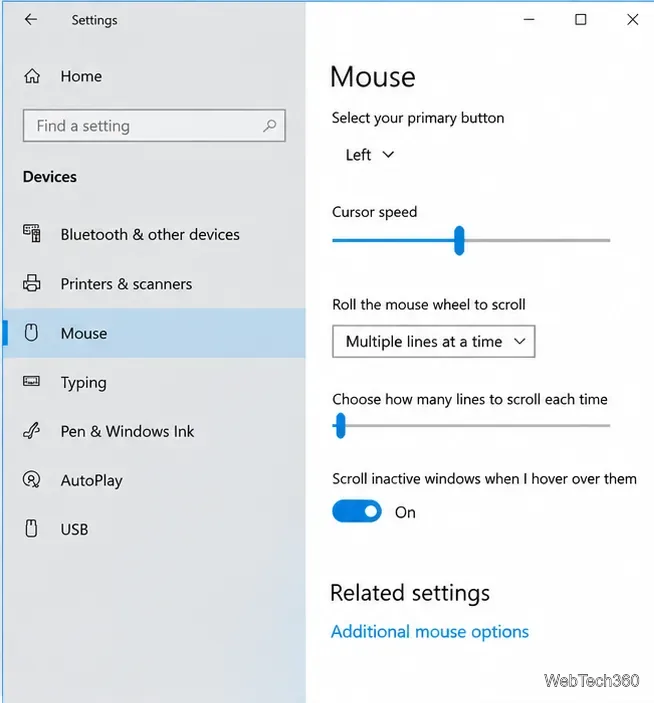
Learn how to adjust Windows 10 mouse pointer speed, change pointer precision, and set hardware DPI with a supported gaming mouse or manufacturer app.
Learn what the legacy Edge blocker registry setting does, how to set it safely, and why it will not stop updates for Microsoft Edge already installed.