How to Check for Open Ports on Windows Server
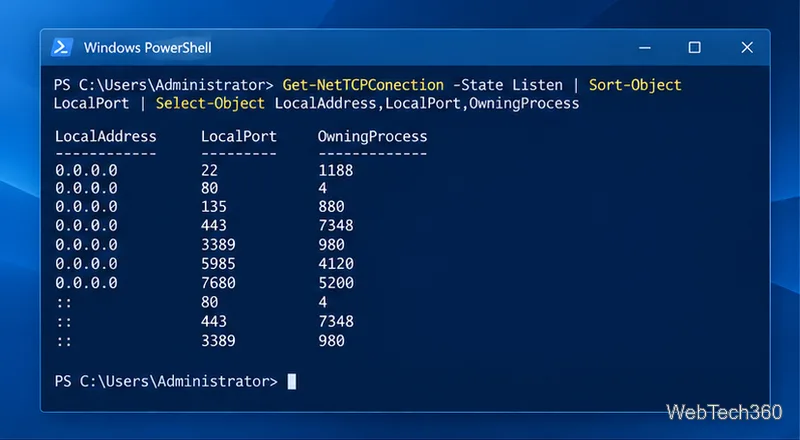
Find local TCP listeners, identify the process using a port, and test whether a Windows Server port is reachable with PowerShell, PortQry, or Nmap.
Imagine diving into your favorite game with visuals so fluid they feel alive, or scrolling through your desktop without that annoying blur. That's the magic of a 144Hz refresh rate on Windows 11. If your monitor supports it, tweaking your settings can transform your experience from good to phenomenal. In this guide, we'll walk you through exactly how to change Windows 11 refresh rate to 144Hz—quickly, safely, and with zero hassle. Whether you're a gamer chasing every frame or just want sharper motion for everyday use, these steps will get you there. Let's jump in and make your screen pop! 🚀
Before we dive into the how-to, let's talk benefits. A Windows 11 refresh rate of 144Hz means your display updates 144 times per second—double the standard 60Hz. This slashes motion blur, making fast-paced actions crystal clear. Gamers notice reduced input lag, giving you that edge in competitive play. For productivity, it eases eye strain during long sessions, as smoother animations feel more natural.
Pro tip: If you have a high-end GPU like an NVIDIA RTX series or AMD Radeon, pairing it with 144Hz unlocks true potential. Ready to feel the difference? Follow our straightforward steps below.
Setting up 144Hz on Windows 11 is easier than ever with the latest display options. We'll cover the built-in method first, then troubleshoot if needed. Ensure your monitor is connected via HDMI 2.0, DisplayPort 1.2, or better for full 144Hz support. No compatible cable? Time for an upgrade—it's worth it! 😊
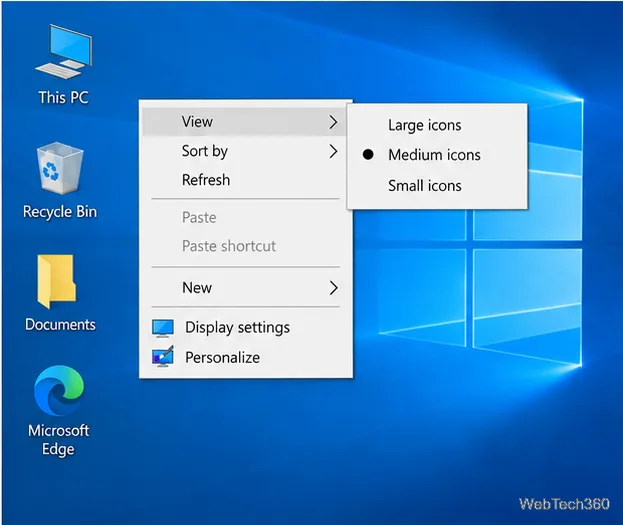
Start by right-clicking on your desktop and selecting Display settings. Alternatively, hit the Windows key, type "Display settings," and click the top result. This opens the intuitive Windows 11 interface where all the magic happens.
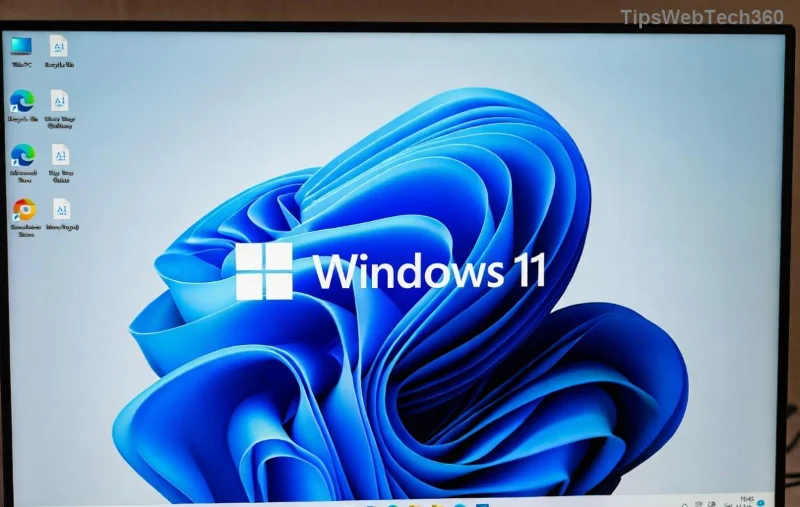
See that? Your current setup is right there. Scroll down to the "Advanced display" section for deeper controls.
If you have multiple monitors, select the one you want to tweak from the diagram at the top. Click Advanced display settings. Here, you'll spot the Choose a refresh rate dropdown. If 144Hz isn't listed, don't panic—we'll fix that next.
Click the dropdown and select 144Hz. Windows 11 will apply it instantly, but confirm by clicking "Keep changes" if prompted. Boom—smoother sailing ahead!
To confirm, reopen the settings or use the built-in refresh rate tester. Download a free tool like UFO Test (search for it online) to visualize the difference. Wave your mouse around—everything should feel snappier. If gaming, launch a title and enable V-Sync or G-Sync for peak performance.
Feeling thrilled yet? That's the 144Hz glow-up. But what if it's not showing up?
Sometimes, Windows 11 refresh rate options hide due to driver glitches or cable limitations. Here's how to troubleshoot like a pro:
Stuck on an older monitor? Consider a budget 144Hz upgrade—they're more affordable now than ever. For official guidance, check Microsoft's support page on display settings.
Changing the refresh rate to 144Hz is just the start. To keep things buttery, tweak these:
| Setting | How to Optimize | Benefit |
|---|---|---|
| Game Mode | Search "Game Mode" in Settings > Gaming > Enable | Reduces background processes for higher FPS |
| Adaptive Sync | Enable FreeSync/G-Sync in GPU panel | Eliminates screen tearing at 144Hz |
| Resolution | Set to native (e.g., 1920x1080 for most 144Hz panels) | Ensures full refresh rate compatibility |
| Power Settings | Settings > System > Power & battery > Best performance | Prevents throttling during intense use |
These tweaks ensure your Windows 11 144Hz setup shines. Gamers, pair with a high FPS cap in games for seamless play. Productivity folks, enjoy lag-free multitasking.
Absolutely, if your hardware supports it. The jump from 60Hz is night and day—less blur, more immersion. We've covered the essentials, but experiment: Try 120Hz first if 144 feels overwhelming. Questions? Drop a comment below—we're here to help refine your setup.
Now that you've mastered how to change Windows 11 refresh rate to 144Hz, fire up that game or video and revel in the clarity. Your eyes (and frags) will thank you. Stay tuned for more Windows tips to keep your PC humming! 🎮
Find local TCP listeners, identify the process using a port, and test whether a Windows Server port is reachable with PowerShell, PortQry, or Nmap.
Map a shared folder as a drive letter in Windows 10, reconnect it at sign-in, confirm access, and fix common path, credential, and network discovery issues.
Hear your microphone through Windows 10 speakers with the Listen to this device setting. Choose the right input and output, test the route, and prevent feedback.
Change icon size on Windows 10 with desktop, taskbar, and File Explorer controls. Learn when display scaling helps and how to fix unexpected size changes.
Map an NFS share to a Windows 11 drive letter with the built-in Client for NFS. Check protocol compatibility, mount the export, and troubleshoot access issues.
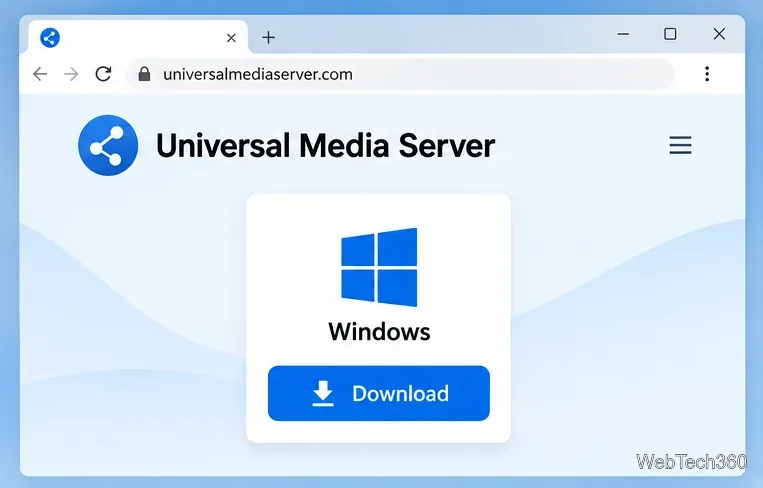
Install Universal Media Server on Windows Server, share selected folders, set LAN-only firewall access, and test DLNA playback from a TV or browser.
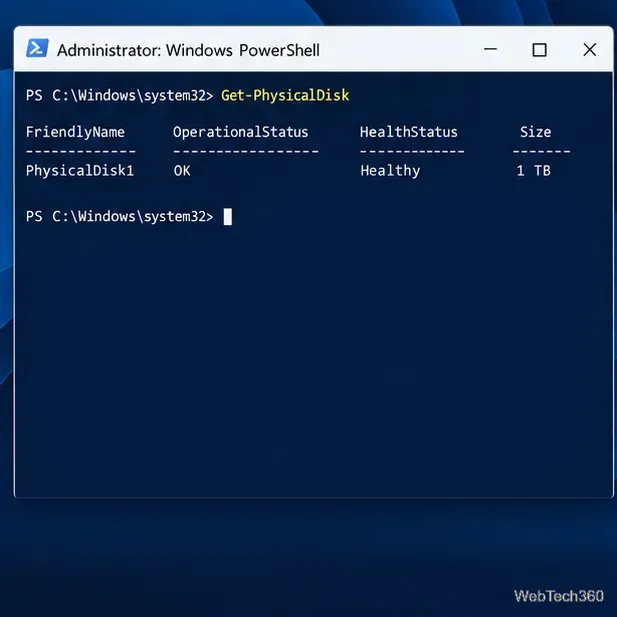
Check Windows Server disk status and reliability counters, verify SMART data when available, and separate hardware warnings from NTFS errors.
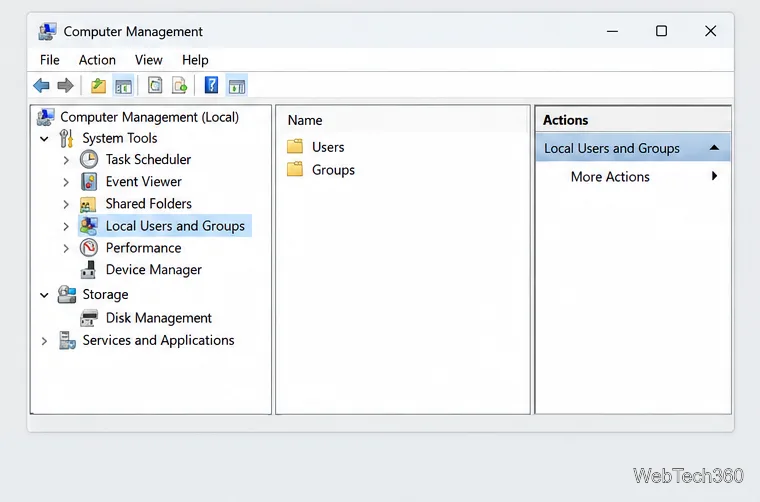
Create, grant admin rights to, disable, or remove local Windows Server users with Computer Management or PowerShell. Learn when to use Active Directory instead.
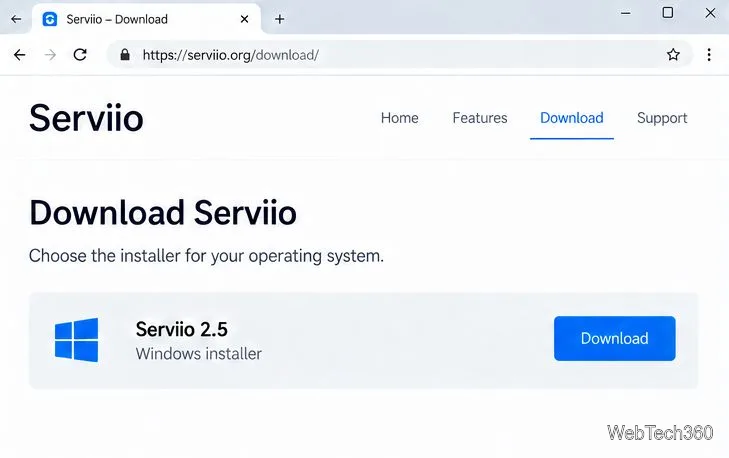
Install Serviio on Windows Server, share local or NAS media folders, and test DLNA playback. Learn how to check the Windows service, firewall, and Pro-only browser features.
Convert PNG, JPG, or BMP files to Windows ICO with GIMP. Prepare a square image, keep transparency when needed, add standard sizes, and check the export.