How to Fix Snipping Tool Issues on Windows 11
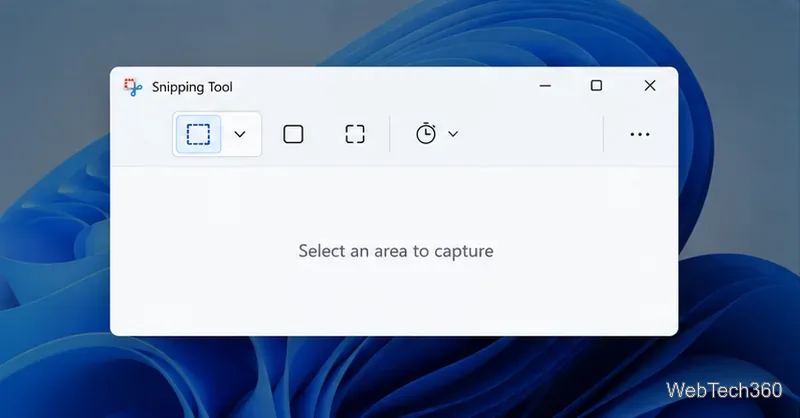
Fix common Snipping Tool problems in Windows 11 with steps to test the shortcut, update or repair the app, reinstall it, and restore missing capture notifications.
Imagine gliding through your favorite apps and games on Windows 11 with visuals that feel incredibly fluid, all while extending your laptop's battery life. That's the magic of Dynamic Refresh Rate (DRR) – a smart feature that automatically adjusts your display's refresh rate based on what you're doing. Whether you're scrolling through documents at a power-saving 60Hz or diving into high-action gaming at 120Hz, Windows 11 Dynamic Refresh Rate ensures everything looks sharp and responsive without draining your resources.
In this concise guide, we'll walk you through how to setup Windows 11 Dynamic Refresh Rate step by step. No tech jargon overload – just practical, up-to-date advice to get you up and running. By the end, you'll wonder how you ever lived without it. Let's dive in! 🚀
Dynamic Refresh Rate is Microsoft's innovative display technology that dynamically switches between different refresh rates on compatible hardware. Introduced in recent Windows 11 updates, it optimizes performance by matching the refresh rate to your activity. For instance:
This isn't just a gimmick – it's backed by hardware support from modern laptops and monitors with variable refresh capabilities, like those using LTPO panels. According to Microsoft's official documentation, enabling Dynamic Refresh Rate Windows 11 can improve battery life by up to 20% on supported devices while maintaining visual quality. Exciting, right? Now, let's get to the setup.
Before jumping in, ensure your setup is ready. Dynamic Refresh Rate works best on:
| Requirement | Details |
|---|---|
| OS Version | Windows 11 version 22H2 or later (check via Settings > System > About) |
| Hardware | Compatible display (e.g., OLED/LTPO panels on laptops like Surface Pro or Dell XPS); GPU supporting variable refresh (Intel 12th gen+, NVIDIA RTX 30 series+, AMD RX 6000+) |
| Drivers | Latest graphics drivers from your manufacturer (update via Device Manager or OEM app) |
| External Display | Monitors with VRR support via HDMI 2.1 or DisplayPort 1.4 |
If your device doesn't meet these, Windows 11 will still offer basic refresh rate options, but full Dynamic Refresh Rate setup shines on supported hardware. Pro tip: Run the PC Health Check app from Microsoft to verify compatibility. Feeling confident? Let's proceed to the steps.
Setting up Windows 11 Dynamic Refresh Rate is straightforward and takes just a few minutes. We'll cover both built-in methods and tweaks for peak performance. Follow along, and you'll be enjoying smoother visuals in no time! 😊
Start by opening the Settings app. Press Windows key + I, then navigate to System > Display. Here, you'll see your current display configuration. Look for the "Advanced display" section – this is your gateway to refresh rate magic.
Click on it to expand options. If you're on a multi-monitor setup, select the primary display first.
In the Advanced display window, you'll spot a dropdown for "Choose a refresh rate." Select the highest supported rate (e.g., 120Hz) as your baseline. But for Dynamic Refresh Rate, we need more – toggle to the "Display adapter properties" link at the bottom.
This opens a classic dialog. Under the Monitor tab, ensure the refresh rate is set optimally. Back in Settings, scroll to "Graphics" under Display for app-specific tweaks later.
Here's the key part: In recent Windows 11 builds, Dynamic Refresh Rate is enabled via a simple toggle. Go back to Settings > System > Display > Advanced display, and look for "Dynamic Refresh Rate" or "Variable Refresh Rate" under HDR or Graphics settings (it may appear as "Allow variable refresh rate" in some updates).
Test it out! Open a video or scroll rapidly – notice the seamless shift? If not, proceed to troubleshooting.
To maximize Windows 11 Dynamic Refresh Rate, customize per app. In Settings > System > Display > Graphics, add apps like your browser or game launcher.
This ensures Dynamic Refresh Rate Windows 11 adapts intelligently, reducing tearing and lag. Users report a noticeable boost in fluidity – you'll feel it too!
Encountering glitches? Don't worry – most are quick fixes. Here's a focused troubleshoot table:
| Issue | Solution |
|---|---|
| Option Not Visible | Update Windows and drivers. Restart Explorer via Task Manager (Ctrl+Shift+Esc > Processes > Windows Explorer > Restart). ❌ |
| Flickering or Lag | Disable HDR temporarily (Settings > System > Display > HDR). Test with a lower max rate. |
| Battery Drain | Balance in Power settings: Set to "Best power efficiency" when unplugged. |
| External Monitor Issues | Check cable (HDMI 2.0+ or DP). Update monitor firmware from manufacturer site. |
If problems persist, visit Microsoft's support forums for community tips. For official guidance, check out Microsoft's refresh rate support page.
Why bother with how to setup Windows 11 Dynamic Refresh Rate? Beyond smoothness, it enhances eye comfort by reducing motion blur and saves energy – perfect for long sessions. Pair it with Windows 11's Auto HDR for stunning visuals.
Quick tips to keep things optimal:
Ready to transform your Windows 11 experience? Follow these steps, and you'll unlock a world of responsive, efficient displays. If you have questions or tweaks that worked for you, drop a comment below – let's make tech smoother together! 👏
Fix common Snipping Tool problems in Windows 11 with steps to test the shortcut, update or repair the app, reinstall it, and restore missing capture notifications.
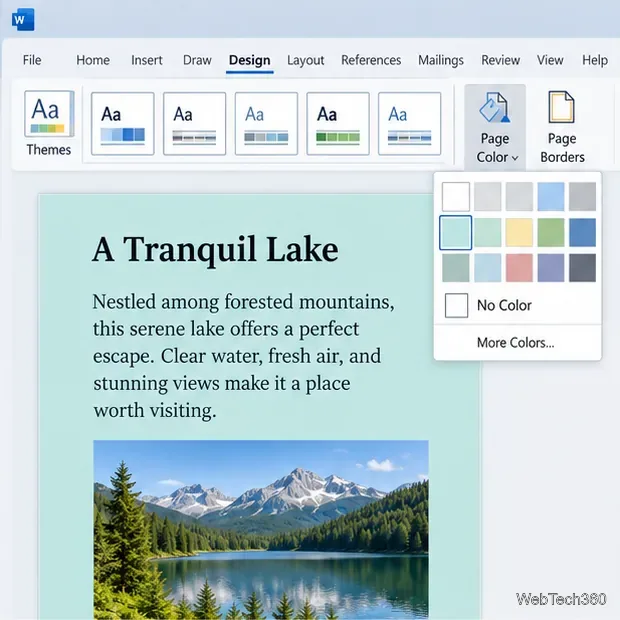
Choose a color-capable printer, enable Word’s background-print setting, and check the preview so page colors, images, and graphics print as expected.
Learn how to use WinX DVD Ripper to convert a DVD you’re entitled to copy into an MP4 file, choose the right title and destination, and troubleshoot playback problems on Windows 10 or 11.
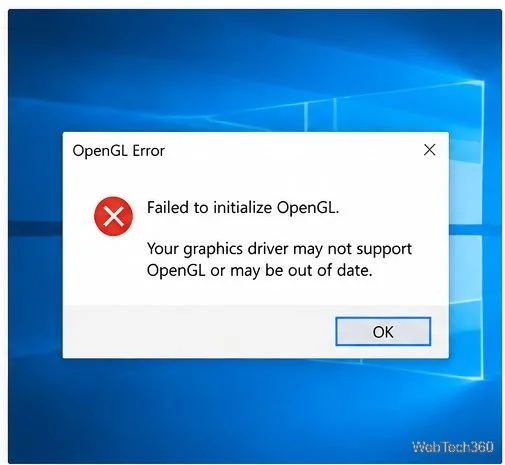
Troubleshoot OpenGL errors in Windows 10 by checking graphics drivers, repairing system files, reinstalling the affected app, and reviewing graphics settings.
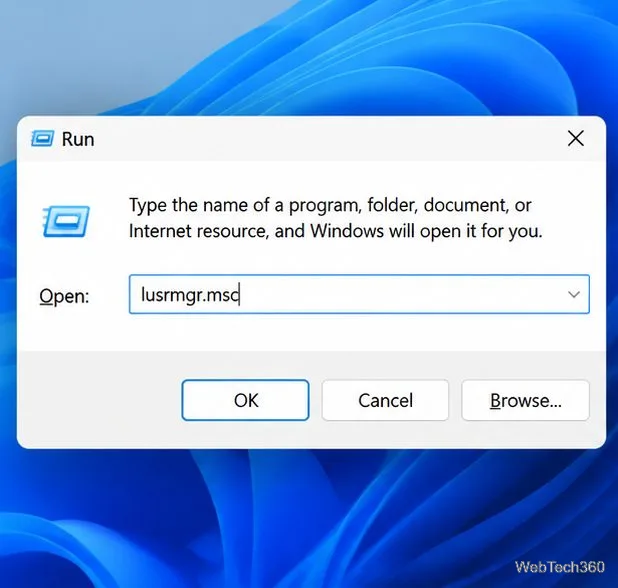
Learn when to use net user, lusrmgr.msc, and net localgroup to view, create, disable, and manage local Windows accounts safely.
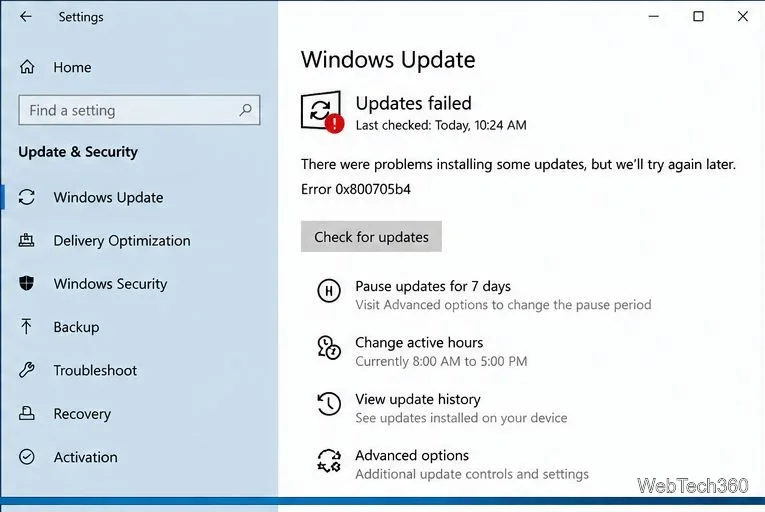
Resolve Windows Update error 0x800705b4 with practical checks for connectivity, update services, cached files, and damaged Windows system components.
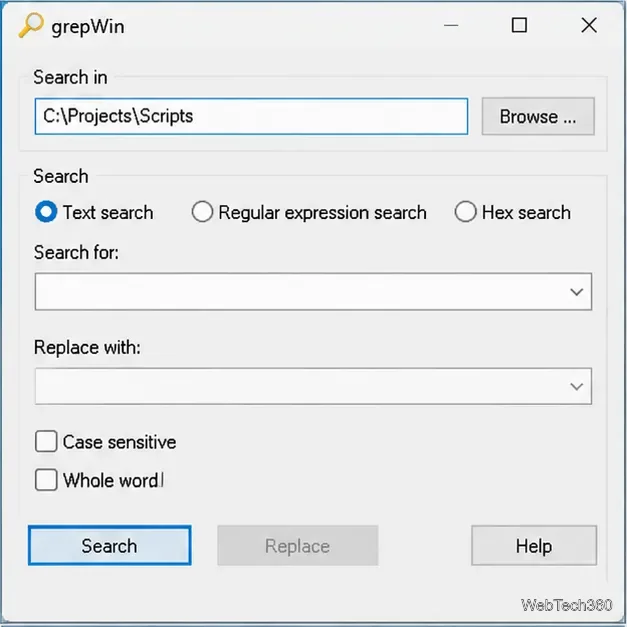
Find words or phrases across multiple text files on Windows 10 with grepWin. Learn how to choose folders, filter file types, include subfolders, and read matches safely.
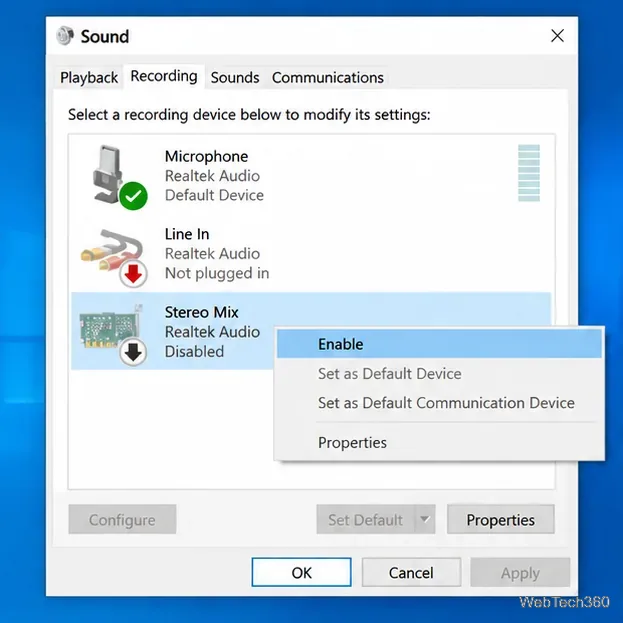
Capture your PC’s playback with FFmpeg on Windows 10. Enable Stereo Mix or use a loopback device, find its DirectShow name, and save clean audio.
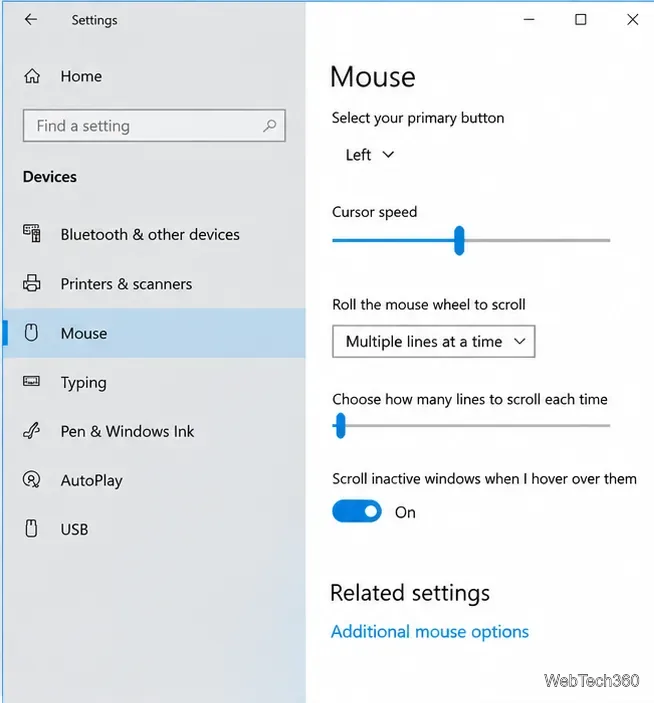
Learn how to adjust Windows 10 mouse pointer speed, change pointer precision, and set hardware DPI with a supported gaming mouse or manufacturer app.
Learn what the legacy Edge blocker registry setting does, how to set it safely, and why it will not stop updates for Microsoft Edge already installed.