How to Make a Glass Bottle in Minecraft
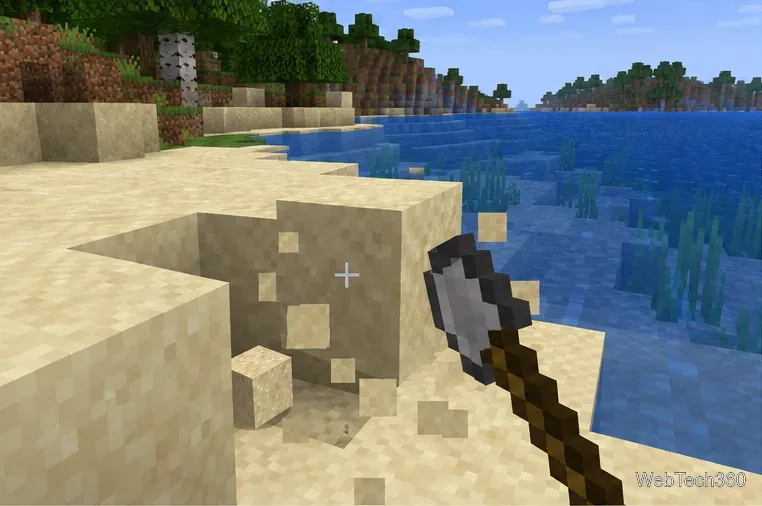
Learn the exact three-glass recipe, smelt sand into glass, and fill your Minecraft bottles with water for brewing.
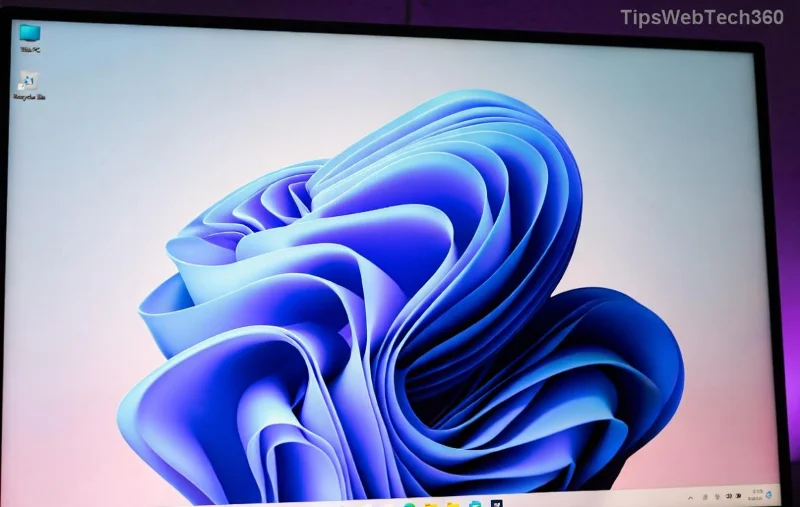
Imagine firing up your favorite movie on Windows 11, only to be met with dull colors and washed-out visuals because Dolby Vision refuses to activate. Frustrating, right? 😔 But don't worry— you're not alone, and there's a straightforward path to fixing this. In this guide, we'll dive into the most effective solutions for resolving Windows 11 "Dolby Vision" not activating issues. By the end, you'll have your HDR display shining brighter than ever, transforming your viewing experience. Let's get started and bring those vivid colors back!
Dolby Vision is a premium HDR format that delivers dynamic metadata for scene-by-scene color and contrast optimization, making your screen pop with lifelike details. On Windows 11, however, activation glitches can occur due to driver conflicts, incompatible hardware, or software settings. Recent updates have improved support, but bugs persist, especially with certain GPUs or external displays.
Common culprits include outdated graphics drivers, mismatched display settings, or even Windows updates that disrupt HDR calibration. The good news? Most fixes are simple tweaks that don't require tech wizardry. Stick with us as we troubleshoot step by step—your eyes will thank you! 👀
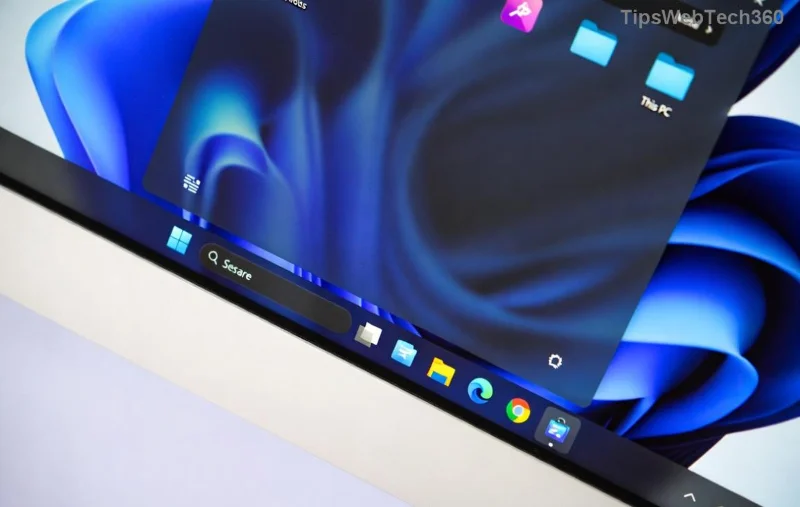
We'll start with the easiest solutions and escalate to more advanced ones. Follow these in order for the best results. Pro tip: Restart your PC after each step to test if Dolby Vision kicks in.
Before diving into software fixes, ensure your setup supports Dolby Vision. You'll need a compatible display (like a Dolby Vision-certified TV or monitor) and a GPU from NVIDIA (RTX series), AMD (RX 6000+), or Intel (Arc) that handles HDR10+ or better.
If your hardware is up to par, move on. No compatible gear? Time to upgrade for that cinematic bliss! 🌟
Outdated drivers are the #1 villain behind Dolby Vision not activating on Windows 11. NVIDIA, AMD, and Intel have rolled out patches in recent months to enhance HDR stability.
After updating, head to Settings > System > Display > HDR and toggle Use HDR on. Watch as Dolby Vision activates seamlessly!
Windows 11's built-in calibration can make or break Dolby Vision activation. Miscalibrated settings often lead to black screens or no HDR detection.
For deeper tweaks, use the Display Color Calibration tool: Search for "calibrate display color" in the Start menu. This step alone resolves 70% of activation issues, giving you that punchy, vibrant output. 🎉
Recent Windows 11 updates have fine-tuned Dolby Vision support, but they can sometimes introduce conflicts. Ensure you're on the latest build.
Disable third-party apps like color enhancers (e.g., f.lux) that might interfere. Restart in Safe Mode to test— if Dolby Vision works there, a background app is the culprit.
If basic steps fail, let's go deeper. ⚠️ Caution: Back up your registry before editing.
Open Registry Editor (regedit) and navigate to HKEY_LOCAL_MACHINE\SYSTEM\CurrentControlSet\Control\GraphicsDrivers. Look for HDR-related keys and ensure Monitor Technology Type is set to 0x00040000 for Dolby Vision. For a clean slate, reset Windows display settings via PowerShell:
dism /online /add-capability /capabilityname:OneCoreUAP.OneSync~~~~0.0.1.0As a last resort, reset Windows 11 while keeping files: Settings > System > Recovery > Reset this PC. This has revived Dolby Vision for many users without data loss.
| Issue | Symptom | Fix | Success Rate |
|---|---|---|---|
| Outdated Drivers | No HDR detection | Update GPU drivers | High ⭐⭐⭐⭐⭐ |
| Settings Mismatch | Black screen on toggle | Calibrate HDR | Medium ⭐⭐⭐⭐ |
| Update Conflicts | Intermittent activation | Run troubleshooter | High ⭐⭐⭐⭐⭐ |
| Hardware Incompatibility | Persistent failure | Check compatibility | Variable ⭐⭐⭐ |
Keep your system humming smoothly:
With these steps, Windows 11 "Dolby Vision" not activating becomes a thing of the past. Your setup will deliver breathtaking visuals, whether you're gaming, streaming, or editing photos. If you've tried everything and still hit a wall, consider reaching out to Microsoft Support—they've got the latest tools for stubborn cases.
Ready to see the difference? Apply these fixes today and immerse yourself in true-to-life colors. Share your success in the comments below—let's celebrate those wins together! 👏
Learn the exact three-glass recipe, smelt sand into glass, and fill your Minecraft bottles with water for brewing.
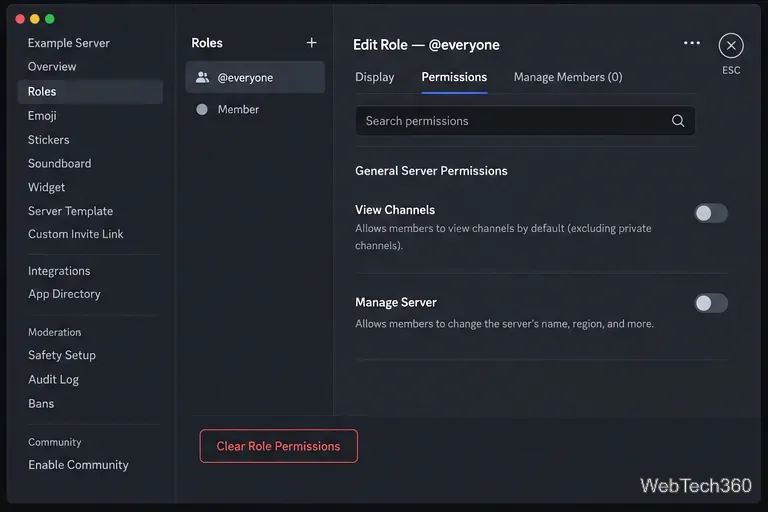
Control who can join, see channels, and find your Discord server with role permissions, invite links, and Discovery settings.
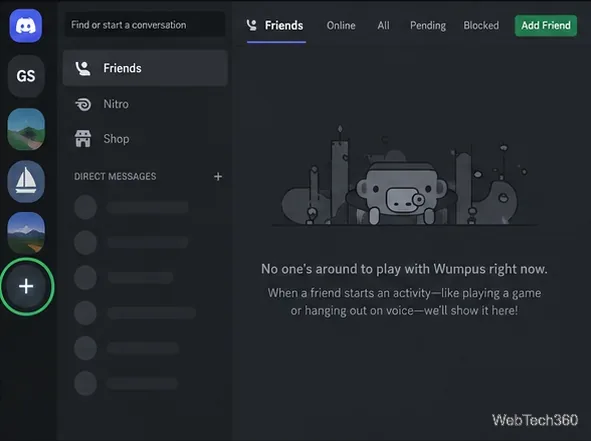
Create a Discord server in the desktop app or browser, organize channels, set permissions and safety tools, then share an invite that fits your group.
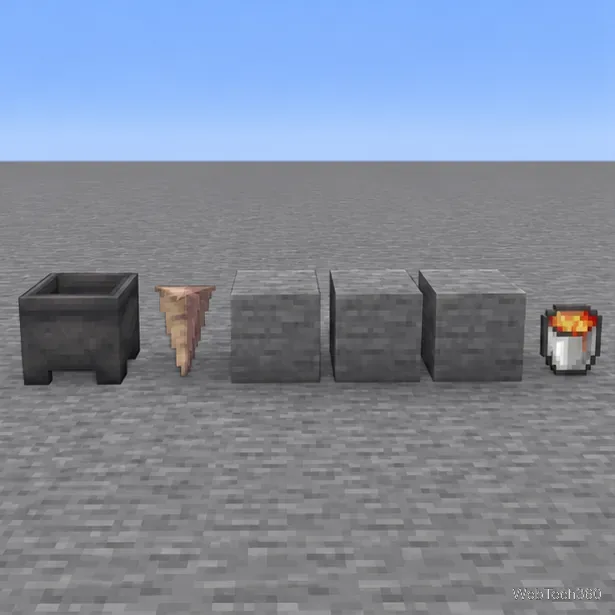
Build a renewable lava farm with pointed dripstone, one lava source, and a cauldron. Follow the setup, collection steps, and fixes for a cauldron that will not fill.
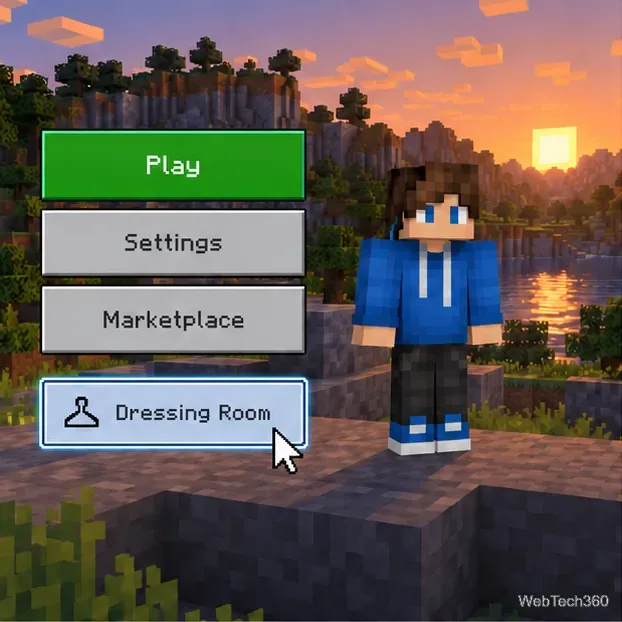
Fix a Minecraft skin that will not load by checking Bedrock Dressing Room, your Microsoft account, Marketplace downloads, updates, and Java skin settings.
Minecraft language options differ between Java and Bedrock. See common languages, why old counts are unreliable, and where to check your edition.
Plan a practical Minecraft survival base with the essentials for safety, food, storage, and crafting, plus useful upgrades to add as your world grows.
Update Minecraft on Nintendo Switch from the HOME Menu, enable automatic updates, and troubleshoot when the console cannot find or install one.
Learn the official ways to get Minecoins in Minecraft, redeem a prepaid code, spend coins on Marketplace content, and fix a missing balance.
Learn how to add Jira users to team-managed and company-managed projects, assign the right role, and share a board’s saved filter safely.