How to Set Up an Email Signature in Outlook.com
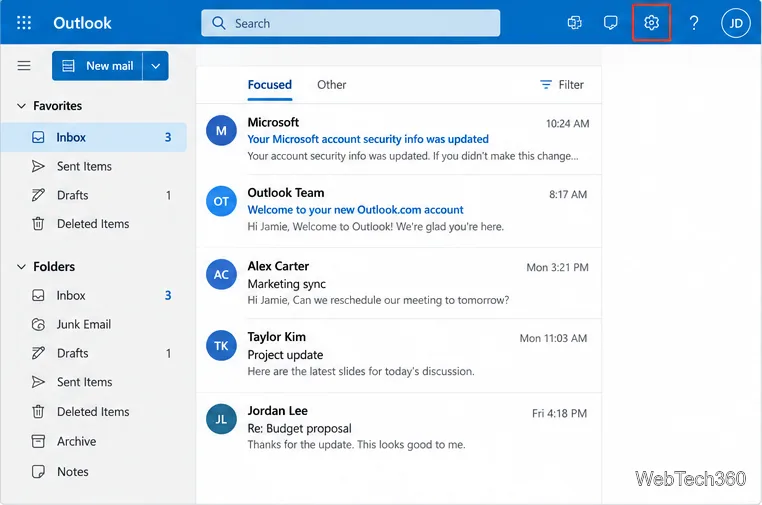
Create a reusable Outlook.com email signature, choose when it appears automatically, and insert it manually when you need a different sign-off.
Imagine firing up your computer, ready to tackle your day, only to be hit with the dreaded GPT Protective Partition Access Denied error. It's frustrating, right? 😩 This common issue pops up when your system misreads a disk formatted with GPT (GUID Partition Table), often mistaking it for an MBR setup or blocking access due to protective measures. But don't worry— we've got your back. In this guide, we'll walk you through practical, up-to-date solutions to get your storage back online quickly and safely. Let's dive in and reclaim your data!
The GPT Protective Partition Access Denied error typically occurs on systems using the GPT partitioning scheme, which is the modern standard for disks over 2TB or UEFI-based boot setups. Windows Disk Management might show your drive as "Unknown" or "Not Initialized," and attempts to access it fail with this message. It's a protective mechanism to prevent accidental overwrites, but it can lock you out unexpectedly.
Common triggers include:
🛡️ The good news? This isn't data loss—it's just a access hurdle. With the right steps, you'll resolve it without needing advanced tech skills.
We'll start with the simplest fixes and escalate to more advanced ones. Always back up any accessible data first using tools like EaseUS Data Recovery or Recuva to avoid risks. Ready? Let's fix this! 🚀
For Windows 10/11 (and the latest builds in 2026), the built-in Diskpart utility is your first line of defense. It can clean and reinitialize the disk safely.
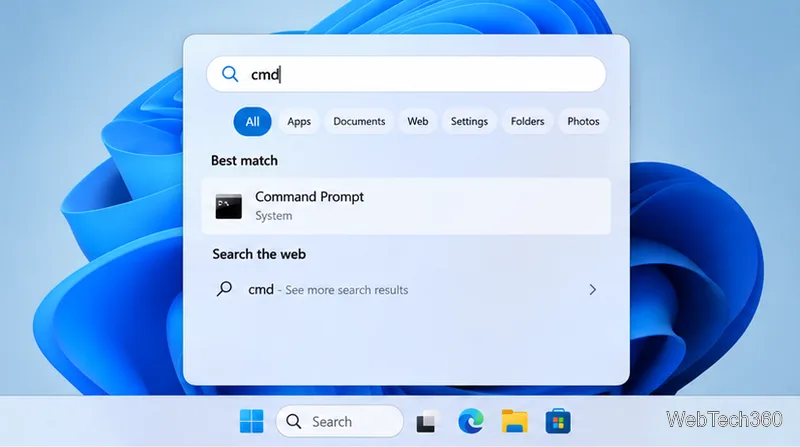
cmd, and run as administrator.diskpart and hit Enter.list disk to identify your problematic drive (look for the size).select disk X (replace X with the disk number—be careful!)clean. This removes all partitions but preserves data if you recover later.convert gpt.exit and refresh Disk Management.Pro tip: If data is crucial, skip the clean step and use list partition to inspect first. This method resolves 80% of GPT Protective Partition Access Denied cases in under 5 minutes.
If your disk is stuck in MBR mode, converting it directly can lift the access denial.
⚠️ Warning: Initialization erases data, so recover files beforehand. For non-destructive conversion, try third-party tools like MiniTool Partition Wizard (free version available).
On Linux, boot from a live USB with Ubuntu and use GParted for a visual fix.
| Step | Command/Action | Notes |
|---|---|---|
| 1. Install GParted | sudo apt update && sudo apt install gparted |
Run as root for full access. |
| 2. Select Disk | Open GParted, choose the correct device (e.g., /dev/sda) | Double-check to avoid wiping the wrong drive! 🔍 |
| 3. Delete Partitions | Right-click partitions > Delete | Apply changes— this handles protective partitions. |
| 4. Create New GPT Table | Device > Create Partition Table > Select GPT > Apply | New partitions can now be formatted. |
For macOS, open Disk Utility, select the drive, go to Partition tab, and erase/repartition as GPT (APFS or Mac OS Extended). These cross-platform tips ensure the GPT Protective Partition Access Denied error doesn't stand a chance, no matter your OS.
If basic steps fail, run CHKDSK for repairs:
chkdsk X: /f /r(Replace X: with your drive letter.) This scans and fixes file system errors that might cause the denial.
For stubborn cases, tools like AOMEI Partition Assistant or EaseUS Partition Master offer one-click GPT conversions. They're updated for the latest Windows builds and handle large drives effortlessly. Always download from official sites to avoid malware.
Once fixed, keep the GPT Protective Partition Access Denied at bay with these habits:
By staying proactive, you'll enjoy seamless disk access. Feeling empowered yet? Keep reading for troubleshooting extras.
Stuck still? Here are quick fixes:
👏 You've made it this far—congrats! Resolving the GPT Protective Partition Access Denied error isn't just a fix; it's a step toward mastering your tech setup. If these steps worked for you, share in the comments below. Got a unique twist on this error? Drop it—we're all in this together. For more disk management tips, stick around our site. Your smooth computing journey continues here!
Create a reusable Outlook.com email signature, choose when it appears automatically, and insert it manually when you need a different sign-off.
Open Command Prompt with Start search, Run, File Explorer, or Windows Terminal. See how to launch it as an administrator and find it on older PCs.
Set up a Nextcloud sync server on Windows Server with the AIO virtual machine, VirtualBox, bridged networking, domain, HTTPS, and backup guidance.
Learn how to create, link, configure, and verify a Windows Server Group Policy Object with a pilot OU, a wallpaper example, and troubleshooting checks.
Learn how Windows 7 Disk Cleanup, Disk Defragmenter, System Restore, and built-in troubleshooters handle common maintenance tasks, with important safety limits.
Speed up a Windows 7 PC by finding bottlenecks, reducing startup load, clearing disk space, adjusting visual effects, and upgrading wisely.
Set up Configuration Manager as a standalone primary site with supported Windows Server, SQL Server, evaluation media, and current setup prerequisites.
Host GitLab Self-Managed on Windows Server by running Ubuntu Server in Hyper-V, then configure its network, HTTPS address, first login, and backups.
Install Abyss Web Server X1 on Windows Server, create the console login, publish a test page, and configure the service to start at boot.
Install SharePoint Server Subscription Edition on Windows Server with current hardware, SQL, prerequisite, setup, and farm-configuration guidance.