Imagine gliding through your workday or late-night gaming session without the harsh glare of bright screens. Dark mode in Windows 11 isn't just a trend—it's a game-changer for eye comfort and battery life. If you're tired of squinting at light themes, this guide will walk you through enabling dark mode for all apps in Windows 11. We'll keep it simple, focused, and packed with practical steps to get you set up quickly. Ready to dim the lights? Let's dive in! 🌙
Why Choose Dark Mode in Windows 11?
Before we jump into the how-to, let's quickly highlight the perks. Dark mode flips the script on traditional light interfaces, using dark backgrounds with light text. This reduces eye strain, especially in low-light environments, and can even save power on OLED displays. Microsoft has refined this feature in the latest updates, ensuring seamless integration across your system. Whether you're editing documents, browsing the web, or using built-in apps like File Explorer, enabling dark mode for all apps creates a cohesive, modern look that feels refreshing.
Pro tip: If you work long hours, this switch could be your new best friend—less fatigue means more productivity! Now, onto the main event.
Step-by-Step: How to Enable Dark Mode System-Wide in Windows 11
Enabling dark mode for all apps in Windows 11 is straightforward through the Settings app. No third-party tools needed—just your mouse and a few clicks. Follow these steps for instant results:
- 👆 Open Settings: Click the Start button (Windows icon) on your taskbar, then select the gear icon for Settings. Alternatively, press Windows key + I for a shortcut.
- Navigate to Personalization: In the Settings window, click on Personalization from the left sidebar. This is your hub for customizing colors, themes, and more.
- Select Colors: Under Personalization, choose Colors. Here, you'll find options to tweak your system's appearance.
- Choose Your Default Mode: Scroll down to the "Choose your mode" section. Select Dark from the dropdown. This applies dark mode to Windows itself and supported apps.
- Enable for Apps: Right below, under "Choose your default app mode," pick Dark. Boom! Now, most Microsoft Store apps and system elements will switch to dark theme automatically.
- Apply and Restart if Needed: Changes take effect immediately, but for stubborn apps, restart them or your PC to see the full magic.
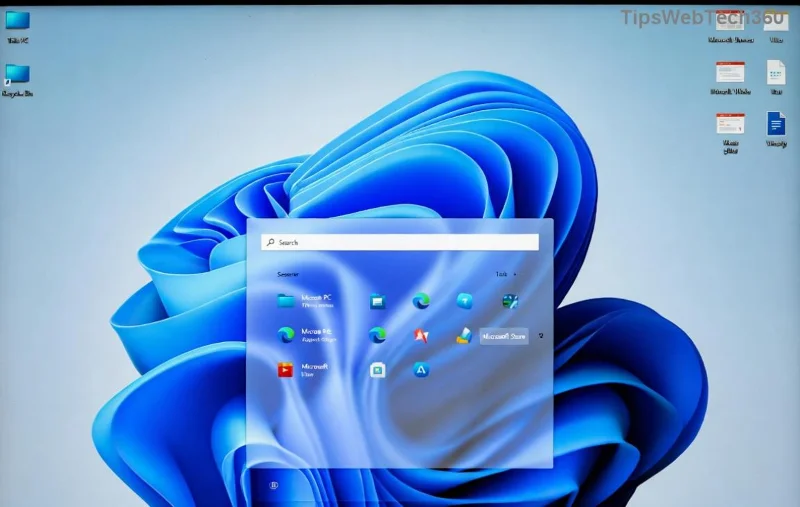
That's it—your entire interface should now embrace the shadows. For a visual walkthrough, check out this handy image:
Extending Dark Mode to Individual Apps
While system-wide dark mode covers the basics, some legacy apps or third-party software might not follow suit. Don't worry—Windows 11 gives you tools to nudge them along. Here's how to ensure dark mode for all apps:
- For Microsoft Apps: Apps like Edge, Notepad, and Calculator respect the default setting. If not, check their in-app settings—Edge, for example, has a toggle under Settings > Appearance.
- Third-Party Apps: Many modern apps (think Spotify or Discord) have built-in dark themes. Open the app's preferences and look for a "Theme" or "Appearance" option to switch to dark.
- Force Dark Mode with Apps: For apps that resist, use the High Contrast mode as a workaround. Go back to Settings > Accessibility > Contrast themes, and select a dark high-contrast option. This can blanket-force darker visuals without altering colors drastically.
Stuck on a specific app? Search for "[App Name] dark mode Windows 11" in your browser—developers often release updates to support it in the latest Windows builds.
Troubleshooting Common Issues with Dark Mode
Even in the smoothest setups, glitches happen. If dark mode isn't applying everywhere, let's fix it fast:
| Issue | Solution |
|---|---|
| Dark mode not applying to File Explorer | Update Windows via Settings > Windows Update. Recent patches ensure full compatibility. |
| Apps stay light despite settings | Restart the app or toggle between Light and Dark modes in Colors settings to refresh. |
| Custom themes overriding dark mode | Reset to default: In Personalization > Themes, select Windows (light) then switch back to Dark. |
| Battery drain concerns | Dark mode actually saves power on modern screens—test it during your next session! 😊 |
These quick fixes should get you back on track. And for deeper dives, Microsoft’s official support page has you covered: Windows Color Themes Guide.
Advanced Tips to Customize Your Dark Mode Experience
Once dark mode for all apps in Windows 11 is live, why stop there? Elevate your setup with these tweaks:
- Accent Colors: In the Colors settings, turn on "Show accent color on title bars and window borders." Pick a vibrant hue like blue or purple to add personality without overwhelming the dark vibe.
- Wallpaper Sync: Enable "Automatically pick an accent color from my background" for a harmonious look. Pair it with a dark-themed wallpaper from the Microsoft Store.
- Night Light Integration: Combine with Settings > System > Display > Night light. This warms colors at sunset, complementing dark mode for ultimate eye care.
- Taskbar and Start Menu: In the latest updates, dark mode fully darkens these elements. If yours looks off, ensure you're on the most recent Windows 11 version.
Feeling inspired? Experiment with these to make your PC feel truly yours. Your eyes (and sanity) will thank you.
Is Dark Mode Right for Everyone?
Not sold yet? Dark mode shines for night owls and those with light sensitivity, but if you prefer bright interfaces for creative work, stick to Light mode. Windows 11's flexibility lets you switch anytime—no commitments. Plus, with ongoing enhancements from Microsoft, enabling dark mode for all apps only gets better.
In wrapping up, mastering dark mode in Windows 11 is easier than ever. Follow our steps, troubleshoot smartly, and customize away. Your screen time just got a whole lot cozier. Have questions or tips to share? Drop them in the comments below—we'd love to hear how it's working for you! ⭐