How to Set Up an Email Signature in Outlook.com
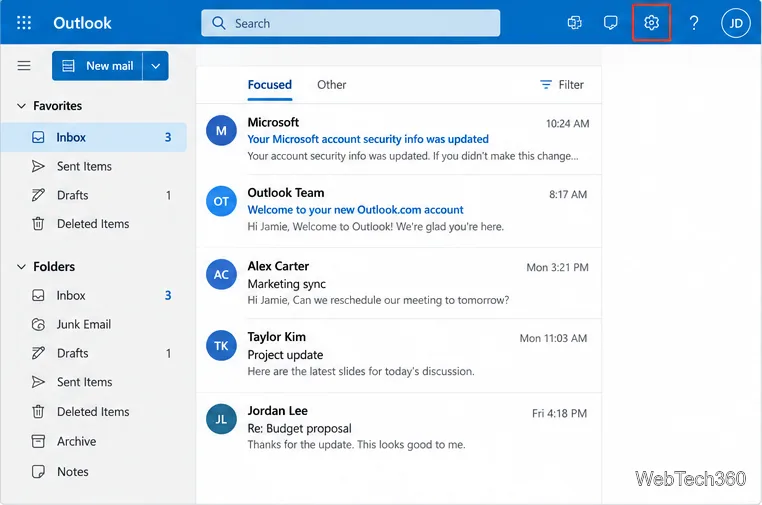
Create a reusable Outlook.com email signature, choose when it appears automatically, and insert it manually when you need a different sign-off.
Imagine your Windows 11 PC acting up—freezing during video calls, Wi-Fi dropping unexpectedly, or printers refusing to cooperate. Frustrating, right? 😩 But here's the good news: Windows 11 built-in troubleshooters are your secret weapon, ready to diagnose and fix these headaches with minimal effort. These powerful tools are pre-installed, free, and designed to keep your system running smoothly. In this guide, we'll walk you through how to use Windows 11 built-in troubleshooters step by step, empowering you to reclaim control and enjoy a seamless experience. Let's dive in and turn those tech woes into wins! 🚀
At their core, Windows 11 built-in troubleshooters are automated wizards that scan your system for common problems and suggest fixes. Think of them as a friendly mechanic under the hood, spotting issues like network glitches, hardware conflicts, or software hiccups without you needing to be a tech expert. Microsoft has refined these tools in the latest updates, making them smarter and more efficient for Windows 11 users.
Why use them? They're quick, safe, and often resolve issues in minutes—saving you from endless Google searches or pricey repairs. Whether you're troubleshooting audio playback or Bluetooth connections, these troubleshooters cover a wide range of scenarios. Ready to get started? Follow these simple steps to access and run them.
Accessing Windows 11 troubleshooters is a breeze. We'll focus on the primary methods to ensure you can jump right in. No downloads required—just your keyboard and a few clicks.
The Settings app is your go-to hub for most Windows 11 built-in troubleshooters. Here's how:
Pro tip: If you're on the latest Windows 11 build, you'll notice an improved interface with clearer categories, making it even easier to pinpoint issues. This method works for everything from playing audio to printing problems.
If you prefer the classic interface, the Control Panel still packs a punch for troubleshooting Windows 11:
This route is great for older hardware setups or if Settings feels too modern. It mirrors the troubleshooters' functionality but with a familiar layout.
For deeper dives, tech-savvy users can invoke troubleshooters via Command Prompt:
msdt.exe -id NetworkDiagnosticsNetworkAdapter (replace with the relevant troubleshooter ID, like AudioPlayback for sound issues) and press Enter.This method is precise but skip it if you're new—stick to Settings for simplicity! 👍
Windows 11 offers a suite of specialized built-in troubleshooters. Below, we'll highlight the most useful ones, with tailored steps to run and interpret results. Each can save hours of frustration, so let's explore them one by one.
Struggling with spotty Wi-Fi or no internet? This tool scans adapters, DNS settings, and more.
Users report up to 80% success rates for common network woes. If it detects a driver issue, update via Device Manager afterward for lasting results.
For peripherals like mice, keyboards, or external drives going haywire, this is your fix-it hero.
Bonus: In recent updates, it's better at detecting USB issues, making it ideal for modern setups with multiple devices.
No sound during Zoom meetings? Muffled mics? Fire up this troubleshooter:
Tip: Run it after Windows updates, as audio glitches are common post-install.
Print jobs stuck in queue? This tool clears spools and reconnects printers effortlessly.
For wireless printers, it also tweaks network settings—perfect for home offices.
Headphones not pairing? This scans for interference and device visibility.
It's especially handy with Windows 11's enhanced Bluetooth support for accessories.
Here's a quick overview table of key troubleshooters for easy reference:
| Troubleshooter | Common Issues Fixed | Best For |
|---|---|---|
| Internet Connections | Wi-Fi drops, slow browsing | Network problems |
| Hardware and Devices | USB failures, peripheral errors | Hardware conflicts |
| Playing Audio | No sound, distorted playback | Multimedia troubleshooting |
| Printer | Stuck prints, offline status | Printing woes |
| Bluetooth | Pairing failures, disconnections | Wireless devices |
To get the most from these tools, keep these pointers in mind:
Feeling empowered? These tips can turn routine maintenance into a breeze, keeping your PC humming along. But what if a troubleshooter can't fix everything?
Sometimes, deeper issues like malware or corrupted files need more firepower. Start with built-in tools like SFC /scannow in Command Prompt (as admin: type sfc /scannow and hit Enter). For malware, use Windows Security's Virus & threat protection.
If all else fails, consult Microsoft's official support. For detailed guidance, check out Microsoft's printing troubleshooter page or their Wi-Fi fixes. These resources are gold for persistent problems.
By mastering Windows 11 built-in troubleshooters, you're not just fixing issues—you're building confidence in your tech skills. Next time your PC throws a curveball, you'll handle it like a pro. What's your go-to troubleshooter? Share in the comments below, and keep your Windows 11 adventure glitch-free! 🎉
Create a reusable Outlook.com email signature, choose when it appears automatically, and insert it manually when you need a different sign-off.
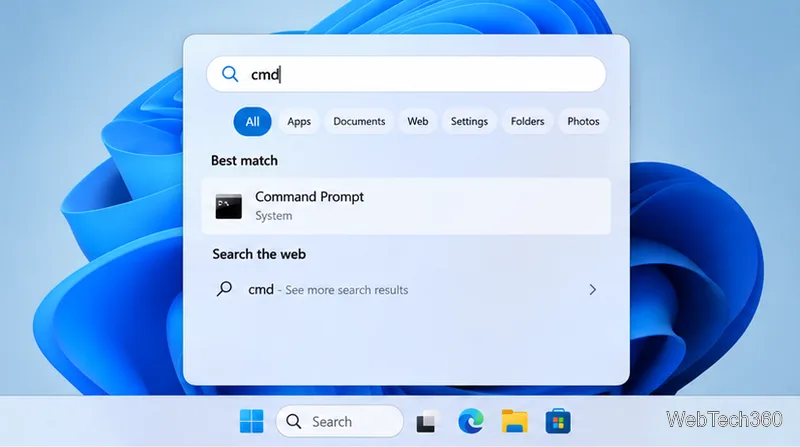
Open Command Prompt with Start search, Run, File Explorer, or Windows Terminal. See how to launch it as an administrator and find it on older PCs.
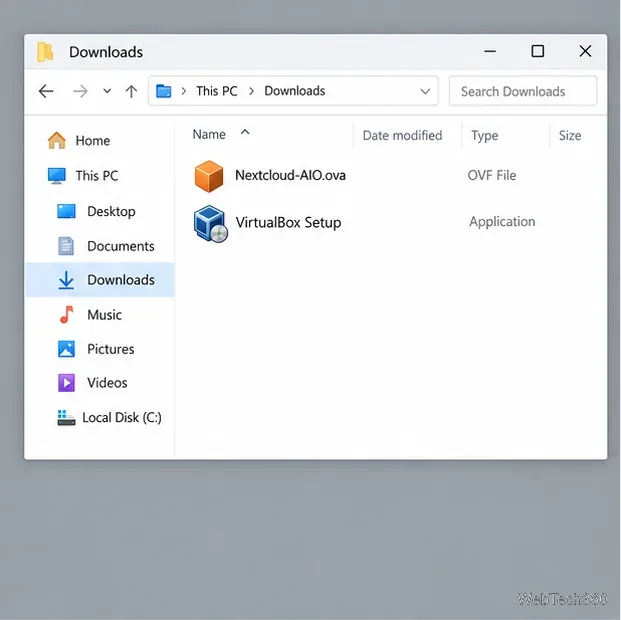
Set up a Nextcloud sync server on Windows Server with the AIO virtual machine, VirtualBox, bridged networking, domain, HTTPS, and backup guidance.
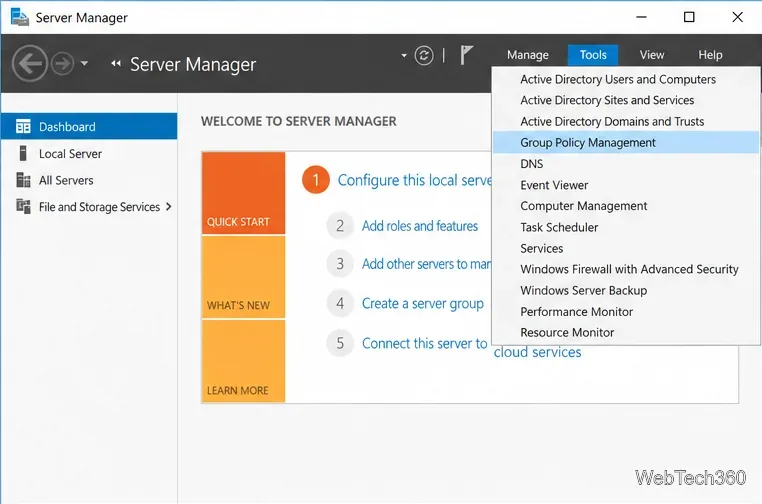
Learn how to create, link, configure, and verify a Windows Server Group Policy Object with a pilot OU, a wallpaper example, and troubleshooting checks.
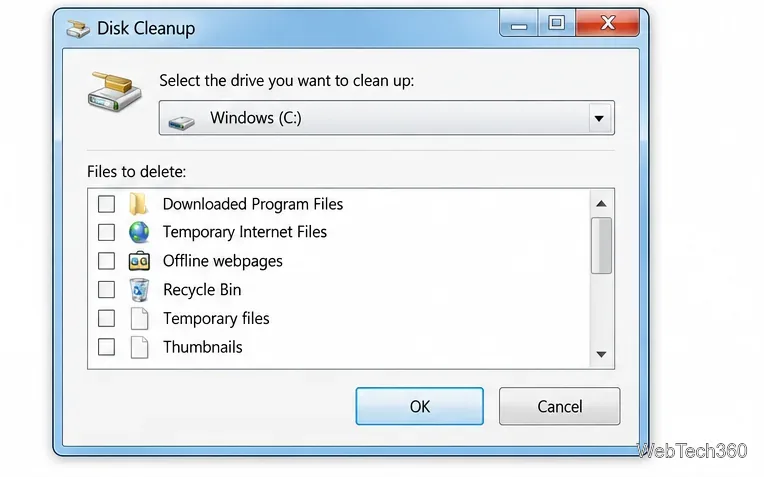
Learn how Windows 7 Disk Cleanup, Disk Defragmenter, System Restore, and built-in troubleshooters handle common maintenance tasks, with important safety limits.
Speed up a Windows 7 PC by finding bottlenecks, reducing startup load, clearing disk space, adjusting visual effects, and upgrading wisely.
Set up Configuration Manager as a standalone primary site with supported Windows Server, SQL Server, evaluation media, and current setup prerequisites.
Host GitLab Self-Managed on Windows Server by running Ubuntu Server in Hyper-V, then configure its network, HTTPS address, first login, and backups.
Install Abyss Web Server X1 on Windows Server, create the console login, publish a test page, and configure the service to start at boot.
Install SharePoint Server Subscription Edition on Windows Server with current hardware, SQL, prerequisite, setup, and farm-configuration guidance.