How to Fix Snipping Tool Issues on Windows 11
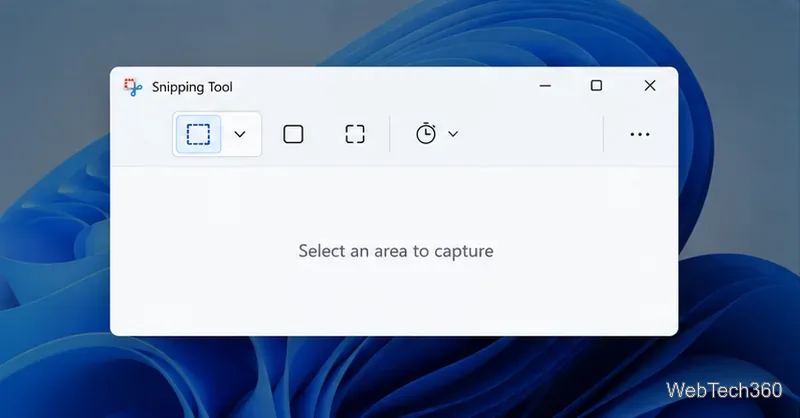
Fix common Snipping Tool problems in Windows 11 with steps to test the shortcut, update or repair the app, reinstall it, and restore missing capture notifications.
Are you running the latest Windows 11 features but unsure about your exact version and build number? Don't worry—knowing this info is like having a roadmap for your PC's health. It helps you troubleshoot issues, install updates, and ensure compatibility with new apps. In this concise guide, we'll walk you through foolproof ways to check Windows 11 version and build number, keeping things simple and empowering. Whether you're a tech newbie or a seasoned user, you'll finish this with confidence and a smile! 😊
Think of your Windows 11 version as the edition of your operating system (like 23H2 or 24H2), and the build number as the precise update level (e.g., 22631.1234). These details matter because:
Staying informed keeps your system running smoothly, saving you time and headaches. Ready to dive in? Let's start with the quickest method.
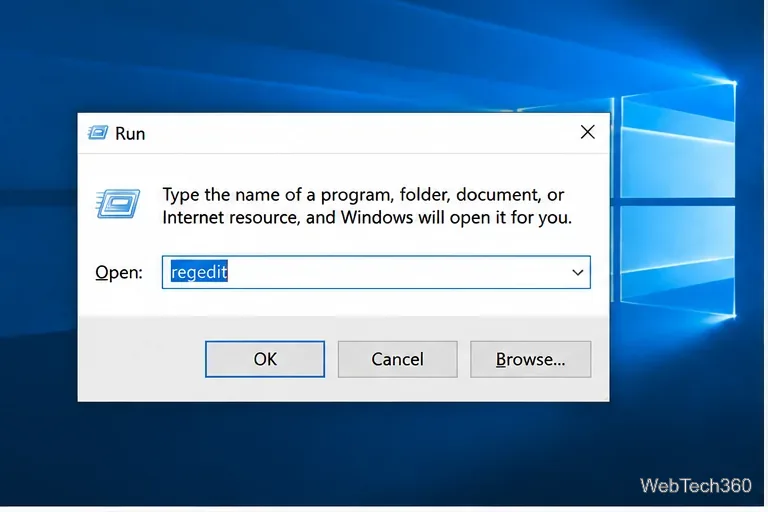
This built-in tool is a lifesaver for instant results. No downloads needed—just a few keystrokes!
winver and hit Enter. A pop-up window appears, revealing your Windows 11 version and build number right at the top.Pro tip: This method works offline and is ideal for quick checks. If you're on a corporate PC, it might show enterprise editions too.
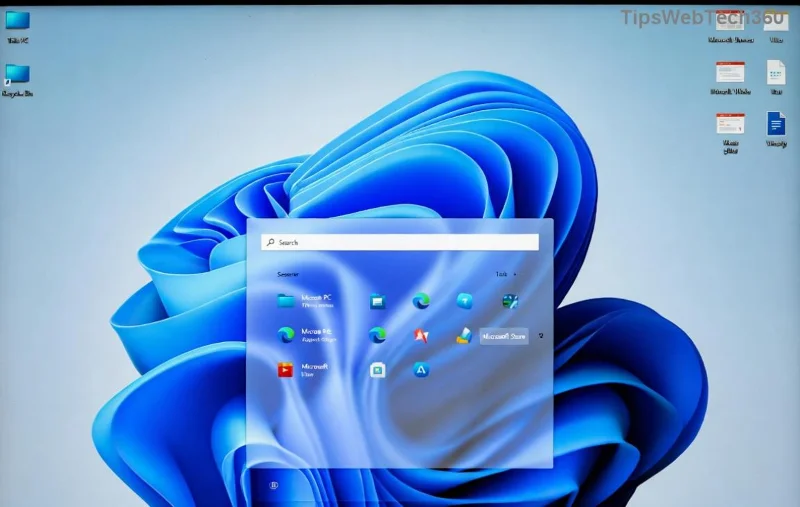
Voila! You've just unlocked your system's core details without breaking a sweat.
For a more visual approach, the Settings app in Windows 11 is your go-to. It's modern, intuitive, and ties directly into update management.
This method shines if you want to check for updates simultaneously. From the same menu, head to Windows Update to see if a newer build awaits. It's empowering to know you're always one click from the best version!
If you love the command line's precision (or need to script this for multiple machines), fire up Command Prompt or PowerShell.
systeminfo | findstr /B /C:"OS Name" /C:"OS Version" and press Enter.Alternative: Use winver in the terminal for a quick echo. This is perfect for automation—imagine scripting checks across your network! 🚀
For even more details, try ver in Command Prompt; it spits out just the build number swiftly.
Now that you've checked your Windows 11 version, let's decode it. Windows 11 versions follow a half-yearly release cycle, like 23H2 (released in the second half of the current year) or the upcoming 24H2. The build number (e.g., 22631.xxxx) indicates cumulative updates—higher numbers mean fresher fixes.
| Component | Example | What It Tells You |
|---|---|---|
| Version | 23H2 | The major release wave, packed with new features like improved Copilot integration. |
| Build Number | 22631.2506 | Specific update level; check Microsoft's release notes for changes. |
| Edition | Windows 11 Pro | Your flavor—Home, Pro, Enterprise—with varying capabilities. |
Curious about the newest? Visit the official Windows release health page for the latest builds. This knowledge turns you from a user into a Windows wizard! 🌟
Stuck? Here are quick fixes to keep things positive:
These steps resolve 90% of glitches, getting you back to a smooth Windows 11 experience. Pat yourself on the back—you're handling this like a pro! 👏
Checking is step one; maintaining is the win. Enable automatic updates in Settings > Windows Update to grab the latest build effortlessly. For insiders, join the Windows Insider Program via Microsoft's Insider site to test bleeding-edge features.
Remember, a current Windows 11 version means better security, snappier performance, and access to AI goodies like enhanced Recall. You've got the tools now—go forth and optimize!
Found this guide helpful? Share your build number in the comments or explore our other Windows tips to level up your tech game. Stay tuned for more empowering reads! 🚀
Fix common Snipping Tool problems in Windows 11 with steps to test the shortcut, update or repair the app, reinstall it, and restore missing capture notifications.
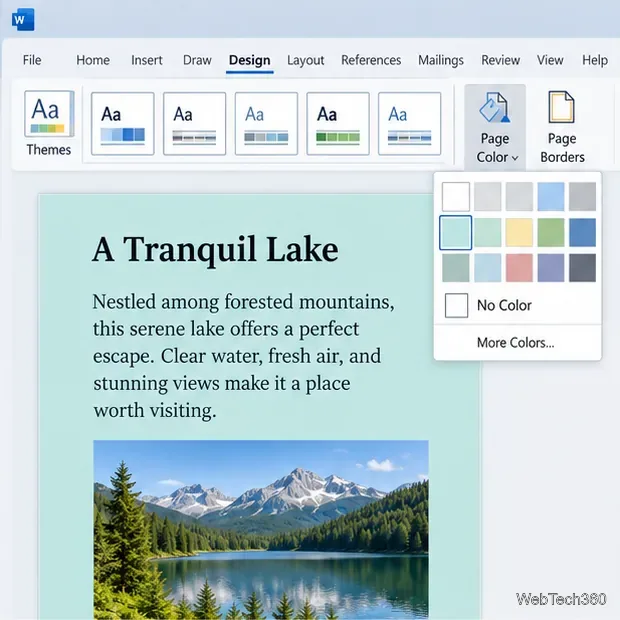
Choose a color-capable printer, enable Word’s background-print setting, and check the preview so page colors, images, and graphics print as expected.
Learn how to use WinX DVD Ripper to convert a DVD you’re entitled to copy into an MP4 file, choose the right title and destination, and troubleshoot playback problems on Windows 10 or 11.
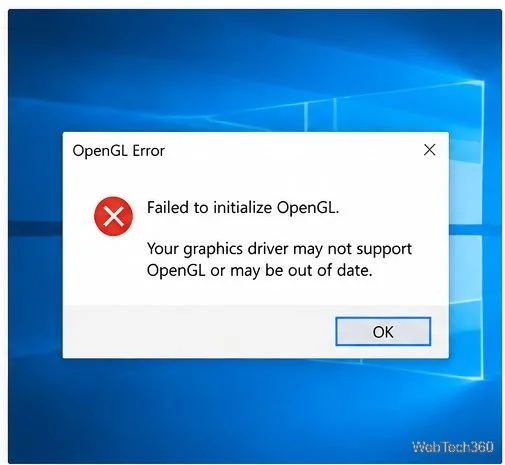
Troubleshoot OpenGL errors in Windows 10 by checking graphics drivers, repairing system files, reinstalling the affected app, and reviewing graphics settings.
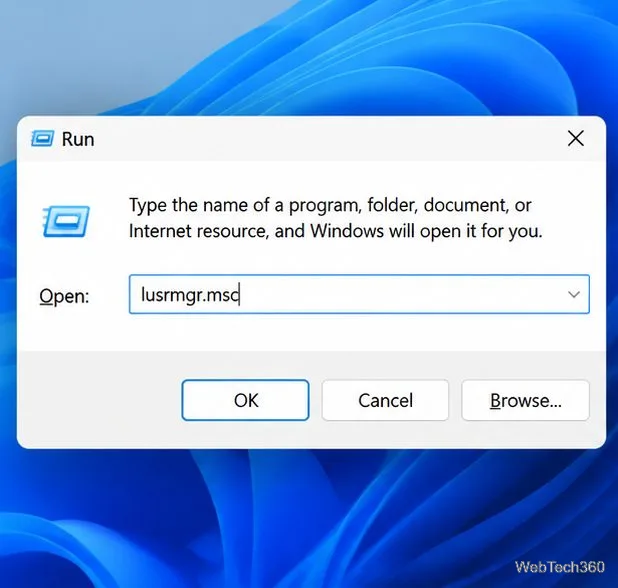
Learn when to use net user, lusrmgr.msc, and net localgroup to view, create, disable, and manage local Windows accounts safely.
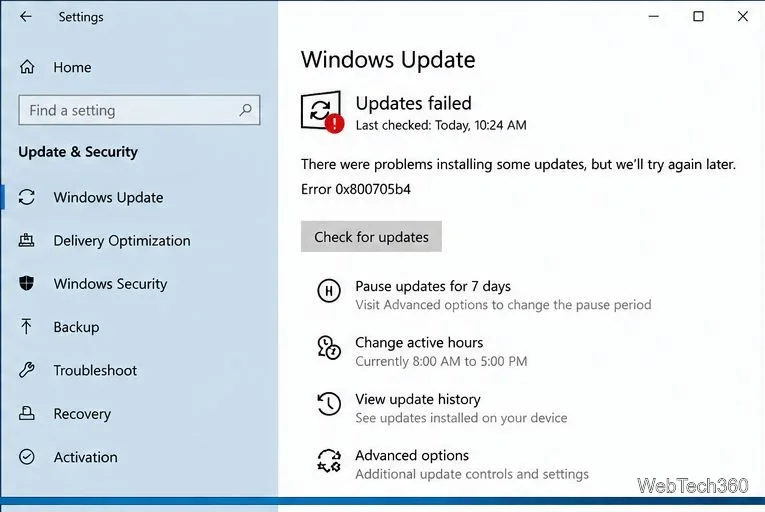
Resolve Windows Update error 0x800705b4 with practical checks for connectivity, update services, cached files, and damaged Windows system components.
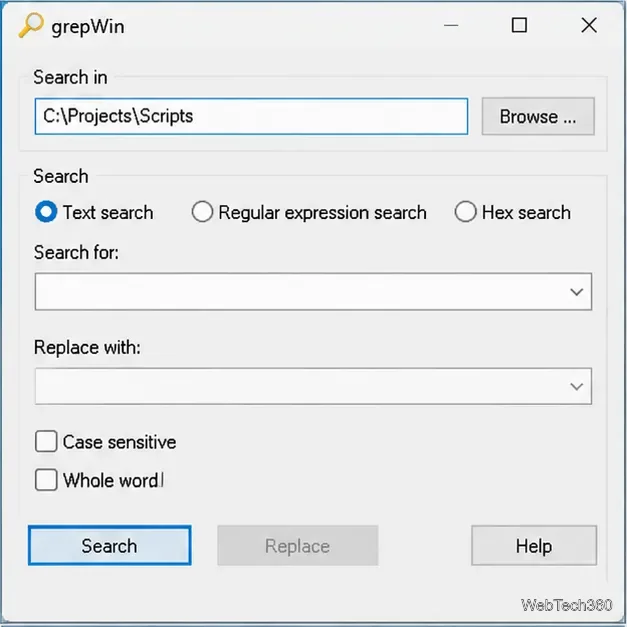
Find words or phrases across multiple text files on Windows 10 with grepWin. Learn how to choose folders, filter file types, include subfolders, and read matches safely.
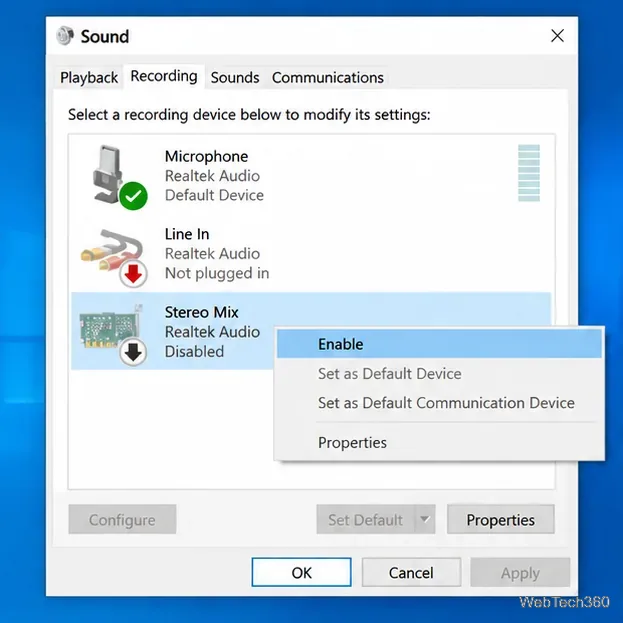
Capture your PC’s playback with FFmpeg on Windows 10. Enable Stereo Mix or use a loopback device, find its DirectShow name, and save clean audio.
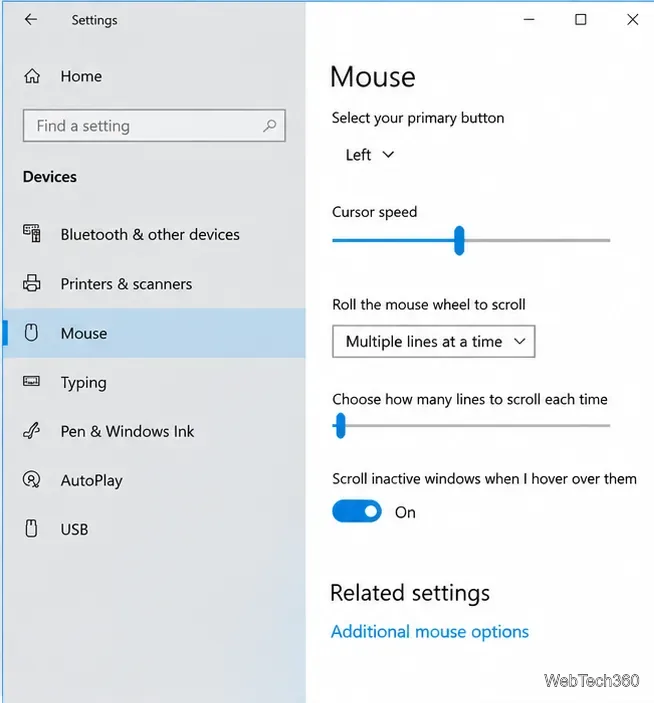
Learn how to adjust Windows 10 mouse pointer speed, change pointer precision, and set hardware DPI with a supported gaming mouse or manufacturer app.
Learn what the legacy Edge blocker registry setting does, how to set it safely, and why it will not stop updates for Microsoft Edge already installed.