Is your Windows 11 PC running low on storage? 😩 Don't worry—Microsoft's built-in Storage Sense is here to save the day! This smart feature automatically detects and clears unnecessary files, keeping your drive clutter-free without you lifting a finger. In this guide, we'll walk you through how to use Windows 11 Storage Sense step by step, so you can reclaim space and enjoy a smoother, faster computing experience. Let's dive in and transform your storage woes into wins! 🚀
What is Storage Sense in Windows 11?
Storage Sense is a powerful, automated tool in Windows 11 designed to manage your disk space efficiently. Introduced as part of Microsoft's ongoing efforts to enhance user experience, it scans for temporary files, Recycle Bin contents, old downloads, and even unused apps to free up gigabytes of space. Unlike manual cleanup, Storage Sense in Windows 11 runs quietly in the background, configurable to your preferences.
Why does this matter? In today's digital world, files pile up fast—photos, videos, updates, and caches can eat up your drive. Enabling Storage Sense ensures your PC stays optimized, reducing lag and preventing those frustrating "low disk space" warnings. It's like having a personal assistant for your storage! ✨
Why You Should Enable Storage Sense Right Now
Imagine booting up your PC and finding it runs like new, without the hassle of constant file deletions. That's the magic of Windows 11 Storage Sense. Here are key benefits:
- Automatic Cleanup: It deletes temporary files, empty Recycle Bin, and old system logs without prompting.
- Customizable Settings: Tailor it to run daily, weekly, or only when space is low.
- Cloud Sync Support: Moves files to OneDrive if you're running out of local space.
- Privacy-Focused: Only targets junk; your important data stays safe.
Users report reclaiming up to 20-30% of their drive space effortlessly. Ready to try it? Follow our simple steps below. 👆
How to Enable and Configure Storage Sense in Windows 11
Getting started with Storage Sense is a breeze. We'll cover enabling it, tweaking settings, and running manual cleanups. No tech expertise required!
Step 1: Access Storage Settings
1. Click the Start button (Windows icon) on your taskbar.
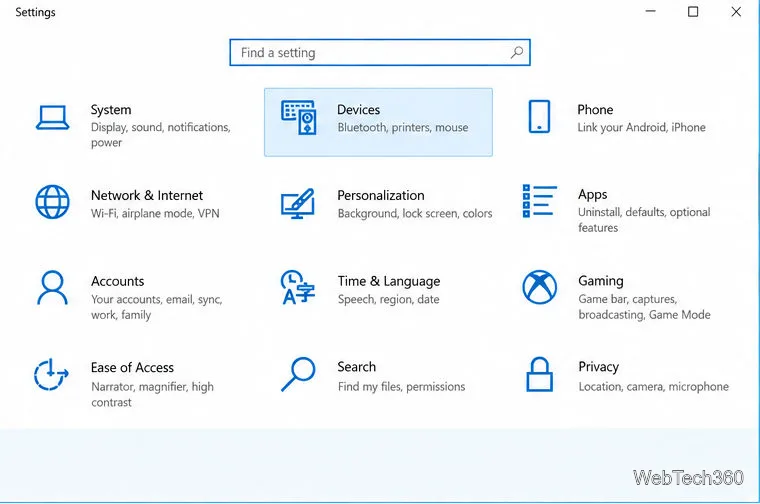
2. Select Settings (gear icon) or press Windows + I.
3. In the Settings window, click System on the left sidebar.
4. Scroll down and select Storage.
Here, you'll see a visual breakdown of your drives—perfect for spotting what's taking up space. Feel empowered already? Let's keep going! 💪
![Step-by-step navigation to Storage Sense in Windows 11 Settings]()
Step 2: Turn On Storage Sense
1. Under the Storage section, toggle the switch next to Storage Sense to On.
2. Click Storage Sense to open detailed options.
This activates automatic runs. By default, it triggers when your drive is over 85% full, but you can adjust this for proactive management.
Step 3: Customize Your Storage Sense Settings
Dive deeper into configurations to make Storage Sense work for you:
| Option |
Description |
How to Set It |
| Run Storage Sense |
Choose frequency: During low free space, weekly, or monthly. |
Select from the dropdown under "Run Storage Sense." |
| Temporary Files |
Auto-delete files in Recycle Bin after 30 days and Downloads folder. |
Toggle options in the Temporary files section. |
| Local Disk |
Configure for specific drives; delete unused cloud files. |
Click "Configure Storage Sense or run it now" > Select drive. |
| Thumbnails |
Clear cached thumbnails to save space. |
Enable in advanced cleanup options. |
Pro Tip: For heavy users, set it to run weekly to maintain peak performance. Experiment with these to find your sweet spot—your PC will thank you! 😊
![Custom Storage Sense settings interface in Windows 11]()
Step 4: Run Storage Sense Manually
Need instant relief?
1. In the Storage settings, click Run Storage Sense now.
2. Watch as it scans and suggests files to delete. Review and confirm.
This one-click action can free up space in minutes, ideal before big downloads or updates.
Advanced Tips for Maximizing Storage Sense
To supercharge how to use Windows 11 Storage Sense, try these insider tricks:
- Integrate with OneDrive: Enable "Files On-Demand" in OneDrive settings. Storage Sense will offload local files to the cloud, saving space while keeping access easy.
- Clean Up Old Versions: Use Storage Sense to remove previous Windows installations after updates—often several GBs!
- Monitor Usage: Regularly check the Storage page for breakdowns by category (Apps, Pictures, etc.). Delete large offenders manually if needed.
- Combine with Disk Cleanup: For deeper cleans, run the classic Disk Cleanup tool alongside Storage Sense for comprehensive results.
Stuck on a setting? Microsoft's official support can help. For more details, visit Microsoft's Storage Sense guide.
Common Issues and Troubleshooting
Even the best features have hiccups. If Storage Sense isn't running:
- Ensure you're on the latest Windows 11 update—check via Settings > Windows Update.
- Restart your PC if toggles seem unresponsive.
- For external drives, manually select them in settings.
Most issues resolve with a quick reboot. If not, the built-in troubleshooter in Settings > System > Troubleshoot can pinpoint problems. You're almost a pro now—keep reading for final thoughts! 🔧
Wrap-Up: Reclaim Your Space and Boost Performance Today
Congratulations! You've mastered how to use Windows 11 Storage Sense, turning potential frustration into effortless efficiency. By enabling this feature, you're not just freeing space—you're enhancing your PC's longevity and speed. Start small: Enable it now, run a manual cleanup, and watch the magic unfold.
Got questions or tips to share? Drop them in the comments below. For more Windows 11 hacks, stick around—your next optimization adventure awaits! 🎉