How to Fix Snipping Tool Issues on Windows 11
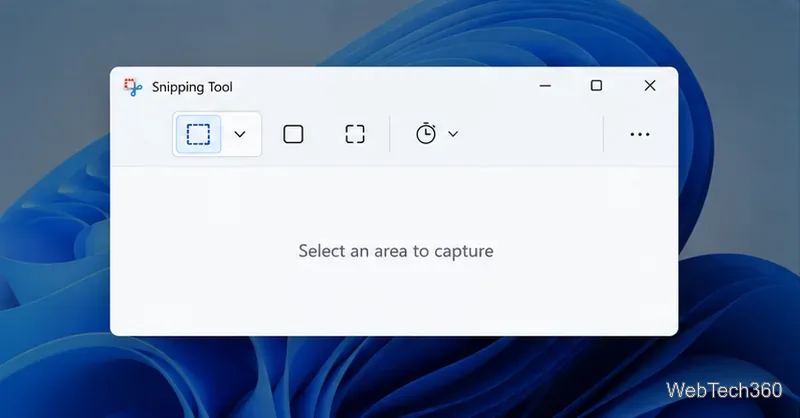
Fix common Snipping Tool problems in Windows 11 with steps to test the shortcut, update or repair the app, reinstall it, and restore missing capture notifications.
Imagine squinting at your screen in a dimly lit room or straining your eyes in bright sunlight because your Windows 11 brightness not working properly. It's frustrating, right? 😩 But don't worry— you're not alone, and it's fixable! In this guide, we'll walk you through simple, effective solutions to get your display back to perfect brightness. Whether it's a driver glitch or a hidden setting, we'll cover it all step by step. Let's brighten up your day and your screen!
Before diving into fixes, understanding the root cause can save you time. Common culprits for brightness not working on Windows 11 include outdated graphics drivers, power settings conflicts, or even third-party software interference. Recent updates to Windows 11 have improved display management, but occasional bugs persist. The good news? Most issues resolve with basic troubleshooting—no tech wizardry required. Ready to troubleshoot? Let's start with the easiest steps.
Sometimes, the simplest solution is the best. Many laptops have dedicated brightness keys on the keyboard (usually F5/F6 or icons showing sun levels). If Windows 11 brightness control seems unresponsive:
If this doesn't work, move on. Pro tip: Restarting your PC can refresh these controls instantly!
Windows 11 offers built-in tools for precise control. If sliders aren't responding, follow these steps to reset and adjust:
This method often revives stuck brightness in Windows 11 display problems. If the slider moves but the screen doesn't change, drivers might be the issue—keep reading!
Outdated drivers are a top reason for fix brightness Windows 11 woes. Graphics cards from NVIDIA, AMD, or Intel handle brightness, so let's update them:
| Step | Action | Expected Outcome |
|---|---|---|
| 1 | Right-click Start > Device Manager > Display adapters. | Locate your graphics card (e.g., Intel UHD Graphics). |
| 2 | Right-click > Update driver > Search automatically. | Windows fetches the latest driver from 2026 updates. |
| 3 | If no update, uninstall the driver and restart—Windows reinstalls it. | Fresh install often fixes glitches. 👏 |
For best results, visit your manufacturer's site. For Intel users, head to Intel Driver Support. NVIDIA and AMD have similar tools. This step resolves 70% of brightness issues based on community reports.
Power plans can override brightness adjustments. To ensure adjust screen brightness works seamlessly:
These tweaks prevent Windows from auto-dimming and give you full control. Feeling empowered yet?
Windows 11's troubleshooter is like a digital mechanic for brightness not working on Windows 11. Here's how:
sfc /scannow and hit Enter— this repairs corrupted system files.DISM /Online /Cleanup-Image /RestoreHealth if needed.These commands are safe and often overlooked gems that restore functionality without hassle. If errors pop up, note them for further help.
If brightness still rebels, try these pro-level solutions:
For external monitors, ensure cables are secure and check the monitor's own brightness buttons—Windows 11 sometimes defers to hardware.
Once fixed, keep things smooth:
By staying proactive, you'll avoid these headaches altogether. Your eyes (and sanity) will thank you.
There you have it—a complete toolkit to conquer Windows 11 brightness not working. Start with the quick checks and escalate as needed. Most users see results in under 10 minutes. If nothing works, consider Microsoft Support or forums like Reddit's r/Windows11 for community wisdom. You've got this—enjoy your perfectly lit screen! If this helped, share it with a friend facing the same dim dilemma. 🌟
Fix common Snipping Tool problems in Windows 11 with steps to test the shortcut, update or repair the app, reinstall it, and restore missing capture notifications.
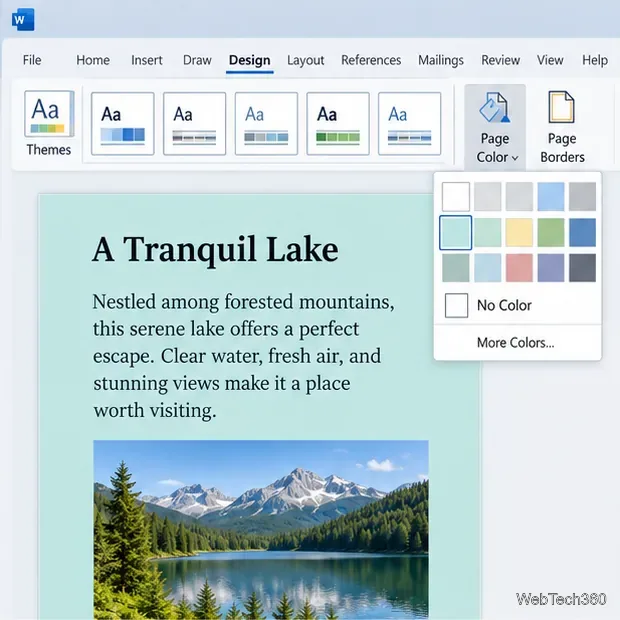
Choose a color-capable printer, enable Word’s background-print setting, and check the preview so page colors, images, and graphics print as expected.
Learn how to use WinX DVD Ripper to convert a DVD you’re entitled to copy into an MP4 file, choose the right title and destination, and troubleshoot playback problems on Windows 10 or 11.
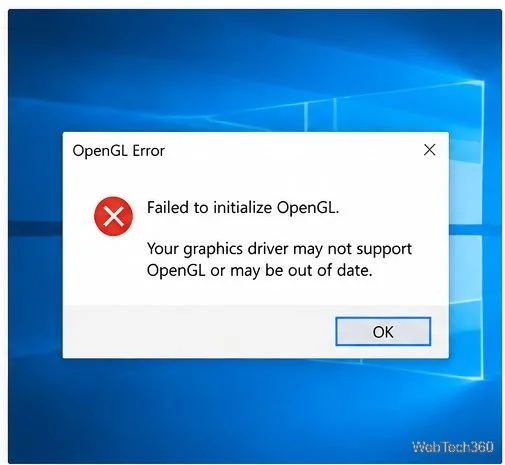
Troubleshoot OpenGL errors in Windows 10 by checking graphics drivers, repairing system files, reinstalling the affected app, and reviewing graphics settings.
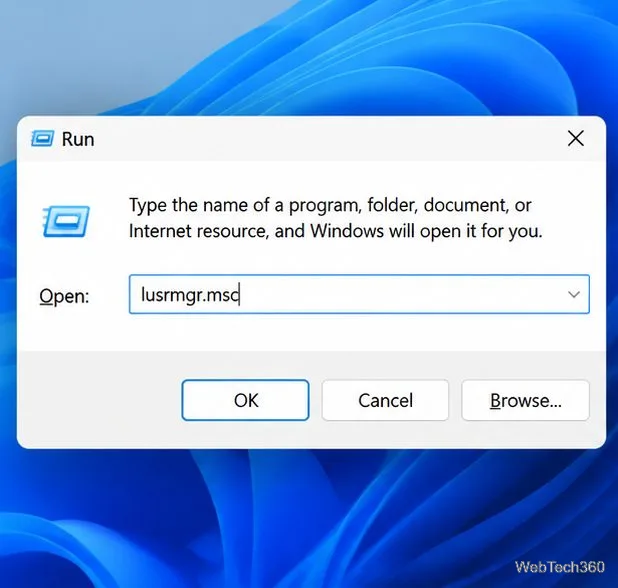
Learn when to use net user, lusrmgr.msc, and net localgroup to view, create, disable, and manage local Windows accounts safely.
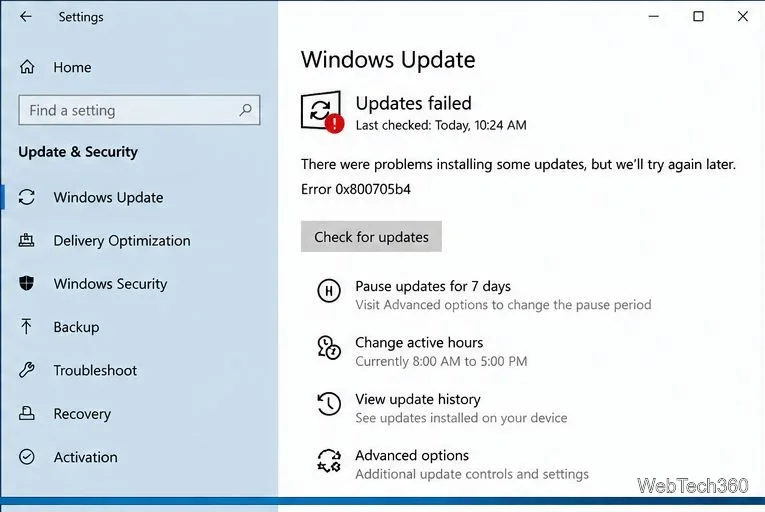
Resolve Windows Update error 0x800705b4 with practical checks for connectivity, update services, cached files, and damaged Windows system components.
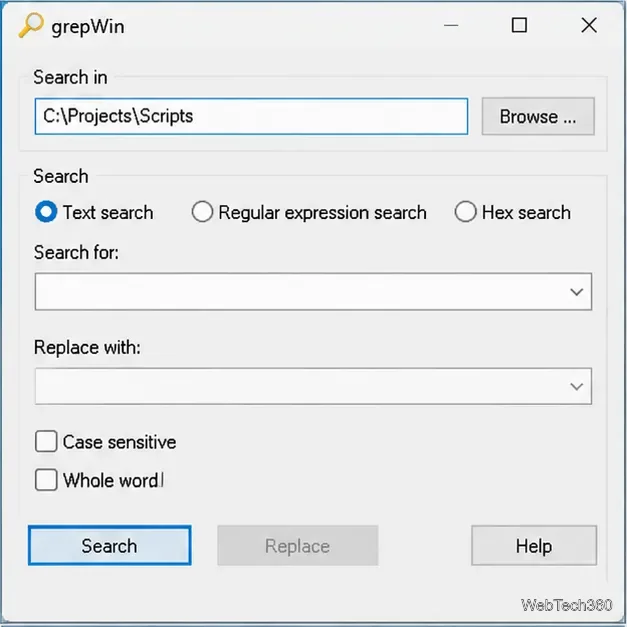
Find words or phrases across multiple text files on Windows 10 with grepWin. Learn how to choose folders, filter file types, include subfolders, and read matches safely.
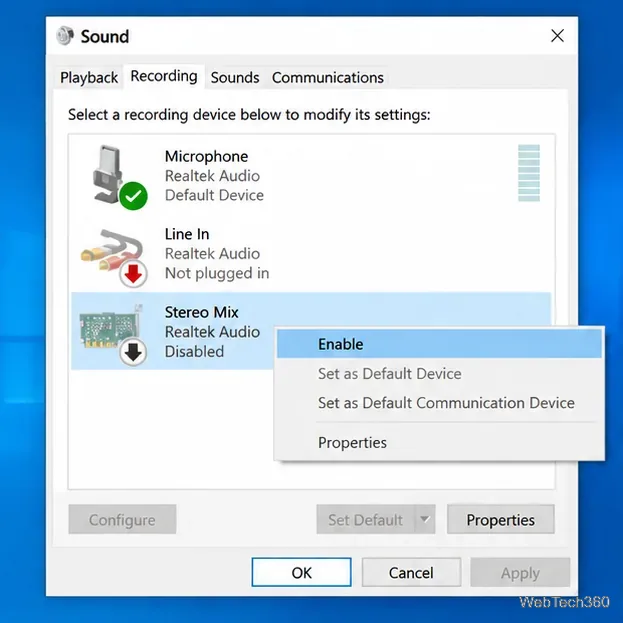
Capture your PC’s playback with FFmpeg on Windows 10. Enable Stereo Mix or use a loopback device, find its DirectShow name, and save clean audio.
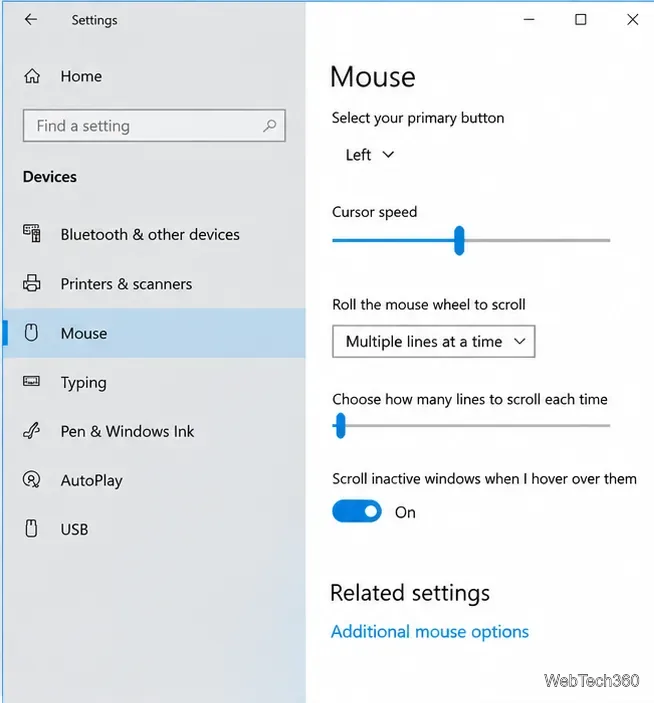
Learn how to adjust Windows 10 mouse pointer speed, change pointer precision, and set hardware DPI with a supported gaming mouse or manufacturer app.
Learn what the legacy Edge blocker registry setting does, how to set it safely, and why it will not stop updates for Microsoft Edge already installed.