How to Fix Snipping Tool Issues on Windows 11
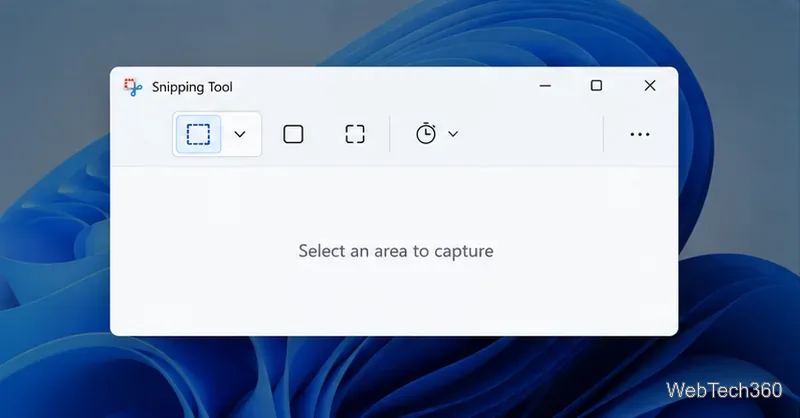
Fix common Snipping Tool problems in Windows 11 with steps to test the shortcut, update or repair the app, reinstall it, and restore missing capture notifications.
Hey there, fellow tech enthusiast! 😊 If you're knee-deep in Windows 11 macro keys not working woes, you're not alone. Those handy custom shortcuts that automate your repetitive tasks can suddenly go silent, turning your efficient workflow into a headache. But don't worry—we've got your back with this straightforward, step-by-step guide to troubleshooting Windows 11 macro keys. By the end, you'll have your macro keys fix sorted, saving time and reducing stress. Let's dive in and reclaim your productivity!
Macro keys are customizable keyboard shortcuts that execute a series of commands or actions with a single press—think automating emails, launching apps, or even complex gaming sequences. In Windows 11, they're powered by software like Razer Synapse, Logitech G HUB, or built-in tools such as AutoHotkey. When they stop working, it disrupts everything from work to play.
Common culprits? Software glitches, driver conflicts, or Windows updates messing with permissions. The good news? Most issues are fixable at home. Stick with us as we troubleshoot systematically, starting with the basics.
Before jumping into fixes, rule out simple oversights. Follow these pointers:
If these don't help, let's escalate to targeted troubleshooting Windows 11 macro keys.
We'll tackle this methodically, from software tweaks to advanced resets. Each step builds on the last, so try them in order for the best results.
Outdated drivers are a top reason for macro keys fix needs. Windows 11's latest updates (as of 2026) emphasize compatibility, but peripherals lag behind.
Pro Tip: Enable automatic updates in Windows Settings > Windows Update to prevent future hiccups. Feeling empowered yet? Keep going!
Windows 11 has a smart Keyboard Troubleshooter that's often overlooked for macro issues.
| Step | Action | Expected Outcome |
|---|---|---|
| 1 | Go to Settings > System > Troubleshoot > Other troubleshooters. | Locate "Keyboard" and click Run. |
| 2 | Follow on-screen prompts to detect and fix conflicts. | Resolves permission or driver errors causing macros to fail. |
| 3 | Test a macro key post-scan. | Macros should respond if the issue was software-related. |
This tool scans for Windows 11 keyboard shortcuts issues efficiently—give it a shot and see the magic! 👍
Antivirus software or overlay apps (like Discord or Steam) can block macros. Here's how to isolate:
Remember, macros often run in the background—conflicts here are sneaky but fixable. If this nails it, you're back in business!
For persistent troubleshooting macro keys Windows 11, a clean slate works wonders.
This fresh start often revives stubborn macros. Pat yourself on the back— you're troubleshooting like a pro! 👏
If basics fail, go deeper (proceed with caution):
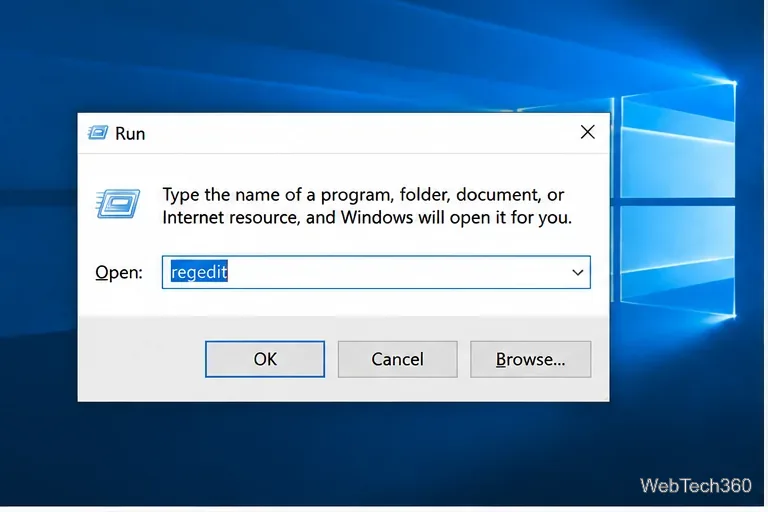
sfc /scannow, then DISM /Online /Cleanup-Image /RestoreHealth. These repair corrupted system files affecting custom macro troubleshooting.regedit. Navigate to HKEY_CURRENT_USER\Software\Microsoft\Windows\CurrentVersion\Policies and ensure no restrictions on keyboard inputs. (Backup registry first!)These steps address root causes in Windows 11. If you're uncomfortable, consider Microsoft Support for hands-on help.
Once fixed, keep things smooth:
By staying proactive, you'll minimize downtime and maximize efficiency. Imagine never dealing with this again—sounds great, right?
If macro keys not working persists, it might be hardware failure. Test on another PC or contact your device maker. For software deep dives, forums like Microsoft Answers are goldmines—search for your exact setup.
We've covered the essentials to get your Windows 11 macro keys firing on all cylinders. Try these fixes, and you'll likely be back to seamless automation in no time. Got a success story or another tip? Drop it in the comments below—we love hearing how you conquered the glitch! 🚀
Fix common Snipping Tool problems in Windows 11 with steps to test the shortcut, update or repair the app, reinstall it, and restore missing capture notifications.
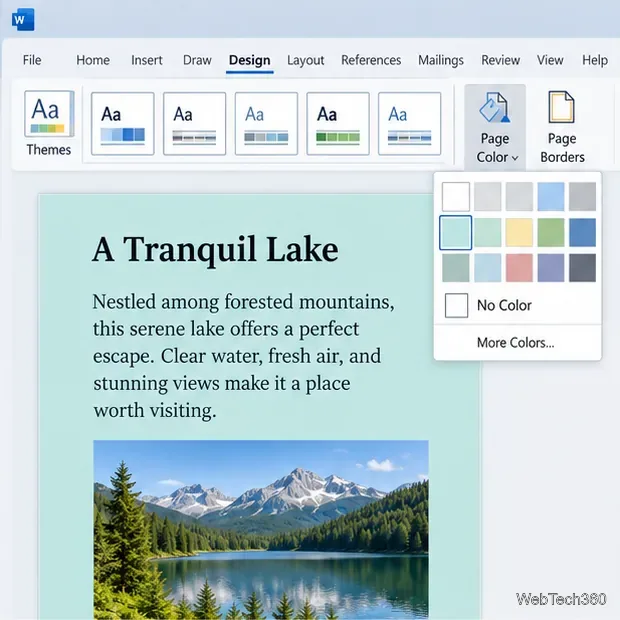
Choose a color-capable printer, enable Word’s background-print setting, and check the preview so page colors, images, and graphics print as expected.
Learn how to use WinX DVD Ripper to convert a DVD you’re entitled to copy into an MP4 file, choose the right title and destination, and troubleshoot playback problems on Windows 10 or 11.
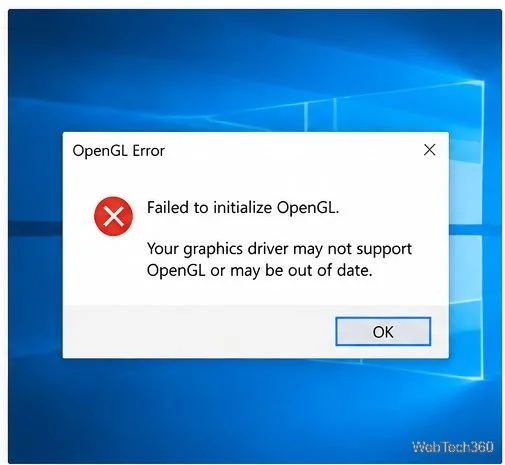
Troubleshoot OpenGL errors in Windows 10 by checking graphics drivers, repairing system files, reinstalling the affected app, and reviewing graphics settings.
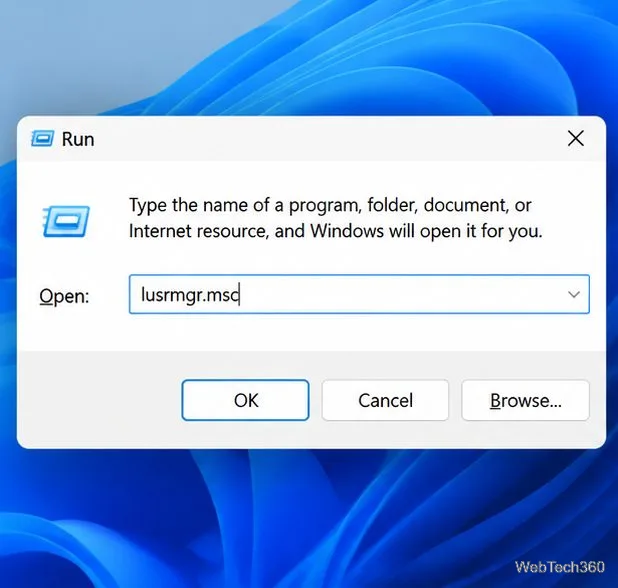
Learn when to use net user, lusrmgr.msc, and net localgroup to view, create, disable, and manage local Windows accounts safely.
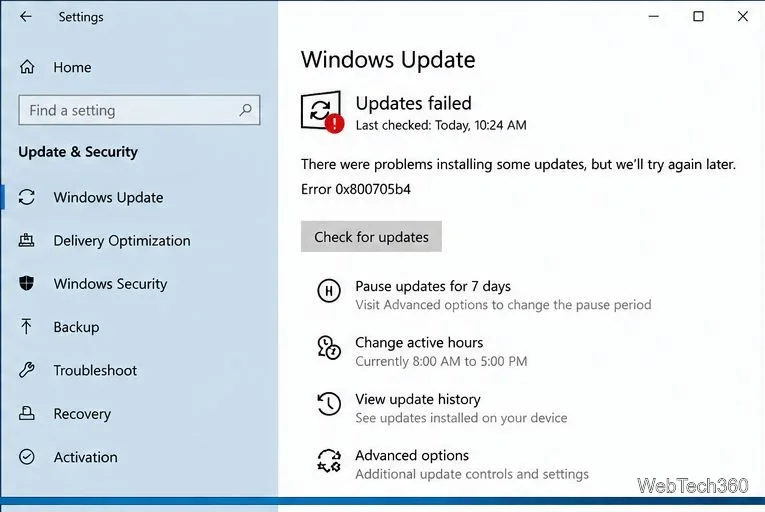
Resolve Windows Update error 0x800705b4 with practical checks for connectivity, update services, cached files, and damaged Windows system components.
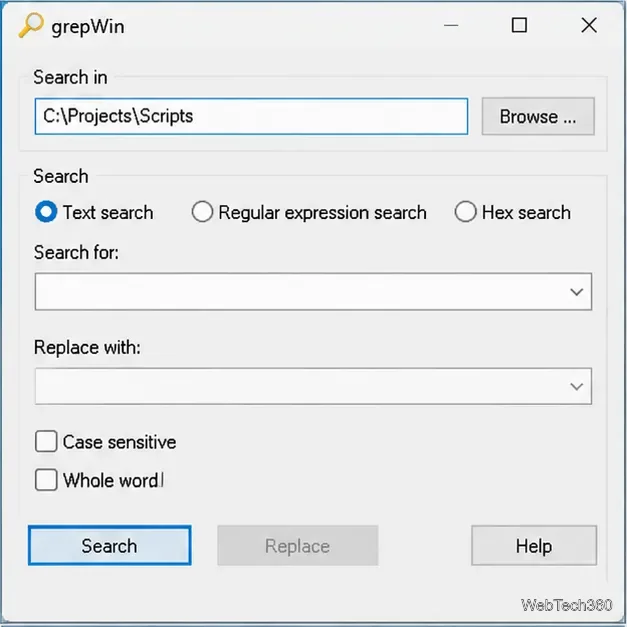
Find words or phrases across multiple text files on Windows 10 with grepWin. Learn how to choose folders, filter file types, include subfolders, and read matches safely.
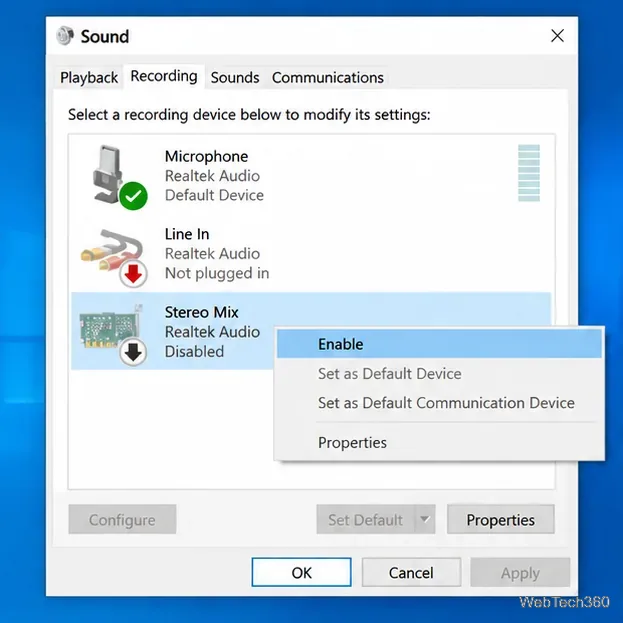
Capture your PC’s playback with FFmpeg on Windows 10. Enable Stereo Mix or use a loopback device, find its DirectShow name, and save clean audio.
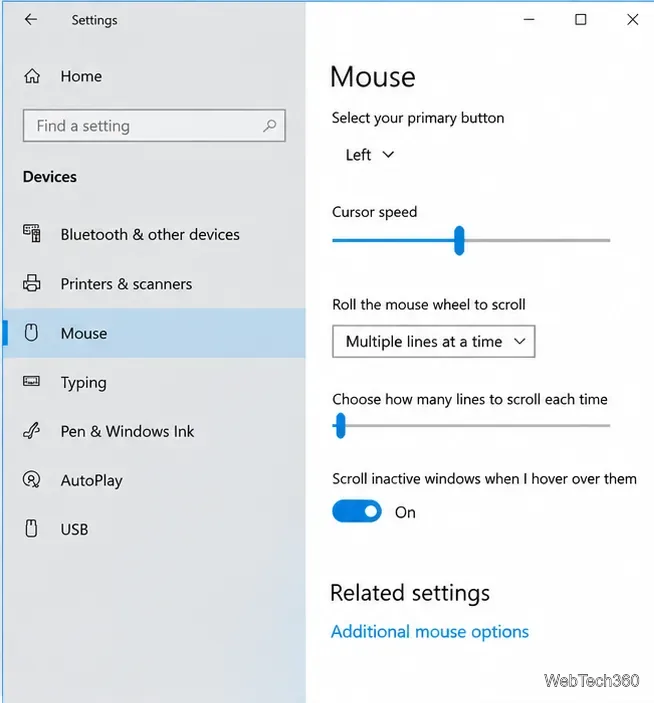
Learn how to adjust Windows 10 mouse pointer speed, change pointer precision, and set hardware DPI with a supported gaming mouse or manufacturer app.
Learn what the legacy Edge blocker registry setting does, how to set it safely, and why it will not stop updates for Microsoft Edge already installed.